





Mud room

Contents |
[edit] Introduction
A mud room (or mudroom) is typically a secondary entrance to a suburban American home. It is most commonly used as a transitional space between indoor and outdoor environments and is not meant to serve as the primary entrance to the residence.
It is called a mud room because it is intended to be used for times when entry into the home could cause a mess. These vestibules are meant to give people somewhere to remove and store muddy footwear, wet clothing or other items that are used outdoors. They are also practical places to clean pets when they come inside.
[edit] Background
Originally, the mud room was just an informally designated area of a home. It came into acceptance as a dedicated space in the 1980s, when it became a more standard part of suburban homes.
Mud rooms are sometimes referred to as utility rooms in the US, particularly when they are used to house washing machines, driers, water heaters or other equipment for the maintenance of the home. They can sometimes increase the value of a home if they provide a significant amount of additional storage space and are well designed.
[edit] Mud room characteristics
Some mud rooms are located in the basement, although most are usually placed off the kitchen or attached garage and can be accessed easily. They are usually situated at the back or side of the house.
In the UK, mud rooms (or boot rooms) are becoming more popular and may be set up, for example, inside a conservatory.
Mud rooms can include:
- Bench or seating.
- Storage units (including something suitable for coats, sporting equipment and other items).
- Utility lighting.
- High traffic flooring.
- Hooks and small storage baskets.
- A sink (especially when used for laundry).
[edit] Related articles on Designing Buildings Wiki
Featured articles
Check out some of the best features and news from Designing Buildings as well as key stories from around the web.
Building Safety Regulator, 19 August

Gill Kernick appointed Independent Chair of Residents’ Panel.
Connecting knowledge, technology and conservation
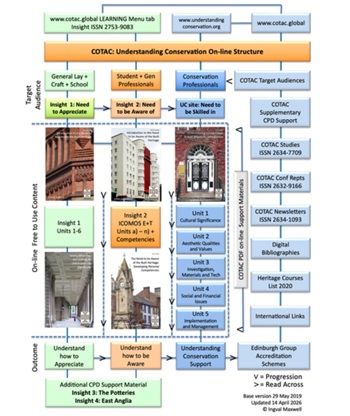
Building competence for the future of built heritage.
Building Regulations and Building Safety Act
CIOB publishes free advice for non-domestic clients.

Building Safety Newsletter from MHCLG.

An extraordinary record of steel engineering worldwide.

Households living near new pylons to save on bills.

ECA warns growth must not outpace grid capacity or skills.
The role of the client and decision making

CIOB response to built environment professions call for evidence.
Construction's sustainability reporting revolution
Tracking upfront embodied carbon with digital tools.
ECA welcomes procurement reforms

Public spending must back British jobs and skills.
Campaigning for Edinburgh: the Cockburn Association 1875-2049

The role of the civic voice in protecting character. Book review.

CIOB photography competition is open for entries.