





Insulated metal panel
To help develop this article, click 'Edit this article'.
Contents |
[edit] Introduction
When a Germany-based farm equipment manufacturer HALDRUP GmbH broke into the North American market they had just one requirement: their new plant should be constructed using insulated metal panels (IMPs).
IMPs are a staple in European construction where they are used for their economic value, easy assembly, and insulation properties that keep energy loss and costs low. “Metal panels make it possible to get the building operational quickly,” says Rüdiger Hofmann, owner and civil engineer at HALDRUP.
The speedy assembly of these insulated metal panels ended up saving the project from falling behind schedule when frozen ground prevented them from digging the building’s foundation. The panels require far less specialised equipment to install due to their self-aligning, tongue-in-groove joints with concealed fasteners. The streamlined construction meant the project could be completed on time, even with the setback. Hofmann also insisted on the IMPs for environmental reasons.
Insulated metal panels protect against energy loss with a tightly-sealed building envelope that keeps outside weather, whether humid or dry, from interfering with the interior climate.
[edit] Interior climate control with minimum energy use
Having a properly insulated building means saving energy. The second largest contributor to greenhouse gases is the energy used inside buildings. A building with insulated metal panels can reduce energy cost by two-thirds. This is because the sealed building envelope optimises thermal resistance by stopping any gaps where heated or cooled air could potentially escape.
Another way IMPs quickly recoup their initial cost is by requiring minimal maintenance and aftercare. They create a fully sealed building envelope and prevent the penetration of moisture from the exterior to the interior via tiny gaps in the insulation. This moisture travels in some other building components and can be responsible for mold and mildew—a time and money, that can be highly disruptive for building owners.
[edit] Net-zero energy
In 2008, the California Public Utilities Commission (CPUC) set a goal. All new residential construction in California would be Zero Net Energy (ZNE) by 2020. Insulated metal panels make it easier to reach those standards, especially in roofing. Because of their high thermal performance, the foam-insulated panels can reach above R-50.
Insulated metal panels reduce the need for specialised equipment. That means less fuel for cranes and fewer materials being used in a particular project. Additionally, they are extremely easy to modify should any changes be desired. Due to thier lightweight, they eliminate the need for a lot of structural support.
Their ultra-smooth construction means they snap together with ease. Creating a sleek and modern aesthetic that is at home in a wide variety of residential and commercial projects.
[edit] Flexibility and sustainability
Insulated panels have an additional benefit, especially in a location like California. In zones prone to earthquakes and tremors, panels are less rigid and more flexible than heavy, traditional building materials. They can sway between 4 and 6 inches from side to side during seismic activity.
Sustainability means products that last “the life of the building, and perform throughout its life cycle as well.” Steel, a major component in the metal panels, is 100% recyclable and can be reused ad infinitum. There is no endgame for steel, it could be a bicycle wheel next time around.
[edit] Related articles on Designing Buildings Wiki
Featured articles and news
Electrical contractors welcome crackdown on late payment and push for clean energy.
Cyber Security in the Built Environment
Protecting projects, data, and digital assets: A CIOB Academy TIS.
Managing competence in the built environment
ITFG publishes new industry guide on how to meet the ICC principles.

The UK's campaign to reduce noise pollution: Mythbusting, articles and topic guides.
Setting Expectations on Competence Management
Industry Competence Committee.
New Scottish and Welsh governments
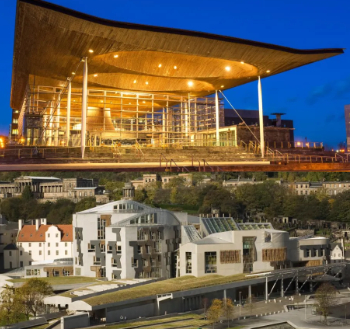
CIOB stresses importance of construction after new parliament elections.
The sad story of Derby Hippodrome
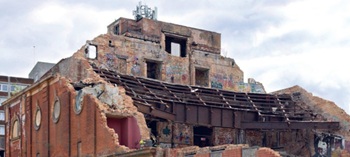
An historic building left to decay.

ECA, JIB and JTL back Fabian Society call to invest in skills for a stronger built environment workforce.

Women's Contributions to the Built Environment.
Calls for the delayed Circular Economy Strategy

Over 50 leading businesses, trade associations and professional bodies, including CIAT, and UKGBC sign open letter.
The future workforce: culture change and skill

Under the spotlight at UK Construction Week London.
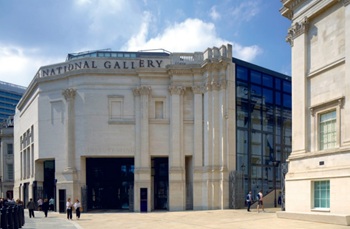
A landmark moment for postmodern heritage.
A safe energy transition – ECA launches a new Charter
Practical policy actions to speed up low carbon adoption while maintaining installation safety and competency.
Frank Duffy: Researcher and Practitioner

Reflections on achievements and relevance to the wider research and practice communities.
The 2026 Compliance Landscape: Fire doors

Why 'Business as Usual' is a Liability.
Cutting construction carbon footprint by caring for soil

Is construction neglecting one of the planet’s most powerful carbon stores and one of our greatest natural climate allies.