






Insights into Northern Powerhouse Rail

ICE’s insights paper introduces Northern Powerhouse Rail and examines the potential impacts of the programme.
Contents |
[edit] Introduction
Northern Powerhouse Rail has been positioned as a solution to the Government’s ambition to ‘level up the North’. But while Northern Powerhouse Rail is widely discussed, for many it is unclear what it would actually entail.
Rather than a single project, Northern Powerhouse Rail is a major rail programme designed to unlock the economic potential of the North. The programme defines a proposed rail network for the North of England that improves connectivity between major economic centres and transport hubs throughout the North East, North West and Yorkshire. It consists of six routes between major cities:
- Liverpool to Manchester.
- Manchester to Sheffield.
- Manchester to Leeds.
- Leeds to Newcastle.
- Leeds to Hull.
- Sheffield to Hull.
Northern Powerhouse Rail proposals feature new, significantly upgraded and electrified rail lines to increase the capacity, speed and resilience of the North’s rail network.
[edit] Integrating HS2 and Northern Powerhouse Rail
For Transport for the North, the proponent of programme, both Northern Powerhouse Rail and HS2 are integral to a future Northern rail network and should be planned as a programme of works. With the Government’s decision to proceed with HS2 in full, this ambition has become more likely. The Government has committed to plan the two initiatives in an integrated manner as part of High Speed North.
ICE has previously published an insights paper outlining the potential benefits of HS2, delivery challenges and the alternative approaches to delivering improvements to the UK’s railways.
[edit] Enhancing rail connectivity and capacity in the North
According to Transport for the North, Northern Powerhouse Rail has the potential to significantly improve journey times between major centres. For example, the journey time between Manchester and Leeds could be cut from 46 minutes to 25 minutes, whilst Leeds to Newcastle could go from 88 minutes to 58 minutes.
By 2050, Northern Powerhouse Rail could bring more than 10 million people within 90 minutes of key cities in the North, against just 2million today. The programme could also increase the number of seats between key Northern cities by up to 35,000 per hour. This could help to address crowding, punctuality and reliability issues on rail across the North, ensuring future growth in demand could be met sustainably.
[edit] Boosting economic growth and productivity
So, what are the economic benefits of improved rail capacity and connectivity in the north? Well according to Transport for the North, a primary objective for Northern Powerhouse Rail is to boost business growth and close the north-south gap in productivity.
According to their analysis, the rail programme could support an increase in productivity of up to 2% by better connecting the North and result in Gross Value Added benefits of up to £3.4 billion per year. Through expanded labour markets, improved business to business connectivity, and greater access to ports and airports, Northern Powerhouse Rail could facilitate transformational economic growth.
The full insights paper is available at: https://www.ice.org.uk/news-and-insight/policy/insights-into-northern-powerhouse-rail
This article was originally published on the ICE Website on 17 March 2020. It was written by Alex Hardy, ICE Policy Manager.
--The Institution of Civil Engineers
[edit] Related articles on Designing Buildings Wiki
- Beeching cuts.
- Cities Devolution Bill.
- Crossrail 2.
- Devolution.
- HS2
- HS2 and community projects.
- HS2 decision.
- HS2 Phase One - safeguarding directions updated.
- ICE articles.
- Northern Powerhouse discussion.
- Northern Powerhouse transport blueprint.
- The Institution of Civil Engineers.
- The need for an integrated railway in the Midlands and North.
- What does the Northern Powerhouse mean for us?
Featured articles and news
Costs and insolvencies mount for SMEs, despite growth

Construction sector under insolvency and wage bill pressure in part linked to National Insurance, says report.
The place for vitrified clay pipes in modern infrastructure
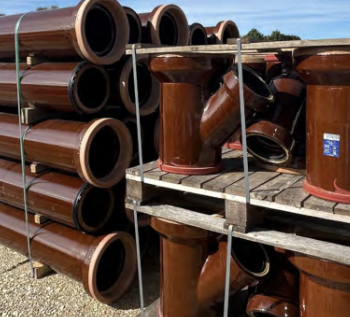
Why vitrified clay pipes are reclaiming their role in built projects.

Research by construction PR consultancy LMC published.
Roles and responsibilities of domestic clients

ACA Safety in Construction guide for domestic clients.
Fire door compliance in UK commercial buildings

Architect and manufacturer gives their low down.
Plumbing and heating for sustainability in new properties

Technical Engineer runs through changes in regulations, innovations in materials, and product systems.
Awareness of the Carbon Border Adjustment Mechanism
What CBAM is and what to do about it.
The new towns and strategic environmental assessments
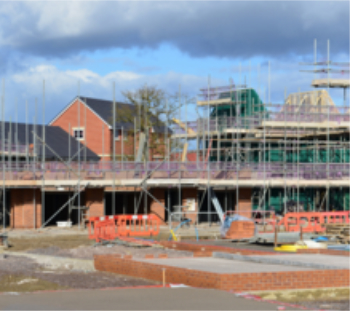
12 locations of the New Towns Taskforce reduced to 7 within the new towns draft programme and open consultation.
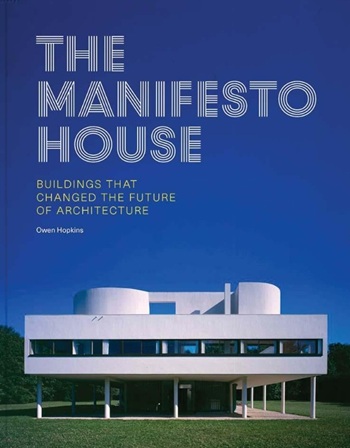
Buildings that changed the future of architecture. Book review.
The Sustainability Pathfinder© Handbook
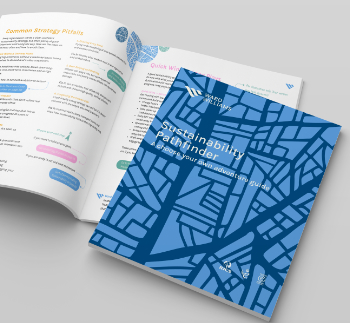
Built environment agency launches free Pathfinder© tool to help businesses progress sustainability strategies.

Government outcome to the late payment consultation, ECA reacts.
IHBC 2025 Gus Astley Student Award winners

Work on the role of hewing in UK historic conservation a win for Jack Parker of Oxford Brookes University.
Future Homes Building Standards and plug-in solar
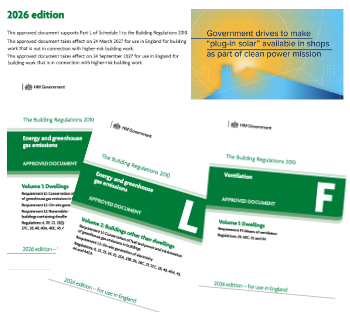
Parts F and L amendments, the availability of solar panels and industry responses.
How later living housing can help solve the housing crisis
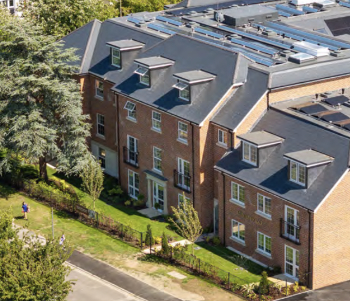
Unlocking homes, unlocking lives.
Preparing safety case reports for HRBs under the BSA

A new practical guide to preparing structural inputs for safety cases and safety case reports published by IStructE.
Male construction workers and prostate cancer

CIOB and Prostate Cancer UK encourage awareness of prostate cancer risks, and what to do about it.