





Industrial building

The word ‘building’ is commonly considered to refer to an enclosed structure within which people can perform activities. The Building Regulations suggest that the word 'building' refers to: ‘...any permanent or temporary building but not any other kind of structure or erection’.
Industrial buildings are buildings used for industrial activities. Industrial buildings as an identifiable architectural type rose to prominence during the industrial revolution during the 18th and 19th centuries, when new activities, and the availability of new materials and techniques led to the creation of some of the most innovative buildings of the period.
Approved document B, Fire Safety, Volume 2 – Buildings other than dwellinghouses defines industrial buildings as:
|
Factories and other premises used for any of the following:
|
The The Town and Country Planning (Use Classes) Order Schedule) identifies 6 categories of industrial building:
B2. General industrial.
B3. Special industrial group A (registrable under the Alkali, etc. Works Regulation Act).
B4. Special industrial group B (getting, dressing or treatment of minerals carried on, in, or adjacent to a quarry or mine).
B5. Special industrial group C (burning bricks or pipes; burning lime or dolomite; producing zinc oxide, cement or alumina; foaming, crushing, screening or heating minerals or slag; processing pulverized fuel ash by heat; producing carbonate of lime or hydrated lime; producing inorganic pigments by calcining, roasting or grinding).
B6. Special industrial group D (distilling, refining or blending oils; producing or using cellulose or using other pressure sprayed metal finishes; boiling linseed oil or running gum; the use of hot pitch or bitumen; stoving enamelled ware; producing aliphatic esters of the lower fatty acids, butyric acid, caramel, hexamine, iodoform, napthols, resin products, salicylic acid or sulphonated organic compounds; producing rubber from scrap; use of chlorphenols or chlorcresols as intermediates; manufacturing acetylene from calcium carbide; manufacturing, recovering or using pyridine or picolines, any methyl or ethyl amine or acrylates).
B7. Special industrial group E (boiling blood, chitterlings, nettlings or soap; boiling, burning, grinding or steaming bones; boiling or cleaning tripe; breeding maggots; cleaning, adapting or treating animal hair; curing fish; dealing in rags and bones; dressing or scraping fish skins; drying skins; making manure; making or scraping guts; manufacturing animal charcoal, blood albumen, candles, catgut, glue, fish oil, size or feeding stuff for animals or poultry from meat, fish, blood, bone, feathers, fat or animal offal; melting, refining or extracting fat or tallow; preparing skins for working).

[edit] Related articles on Designing Buildings Wiki
- Architectural styles.
- Building activities definition.
- Building complex.
- Building component.
- Building element.
- Building entities.
- Building spaces definition.
- Building system.
- CALISIA ONE case study.
- Construction works.
- Definition of industrial buildings.
- Industrial cluster.
- Recording old industrial sites.
- Types of building.
- Use class.
Featured articles
Check out some of the best features and news from Designing Buildings as well as key stories from around the web.
Your views needed - a strategy for the professions, trades and occupations.

Confronting competency, codes, capacity and costs.
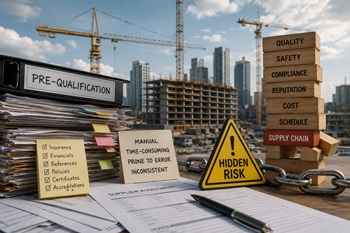
The hidden risk in modern construction supply chains.
Construction Management, 10 June

24 months to 14: CITB launches accelerated apprenticeships.
Bridging the gap between clients and contractors
Concerns remain around contractor quality, capability, and delivery.
Construction Management, 10 June.
Heat pumps beat boilers in new home tests.
Building Safety Act implementation in Wales

CIAT to host industry panel on 26 June.

New and updated CLC building safety guidance.
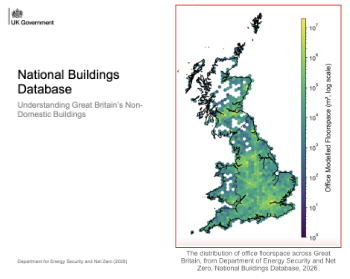
New UK National Buildings Database.
Building Safety Wiki Interviews

Chief executive of the British Woodworking Federation.
Planning condition discharge in England and Wales

A brief explanation from a building compliance expert, with further links.
Comments