






Inclusivity in the design of healthcare buildings
Contents |
[edit] Introduction
Creating inclusive healthcare environments goes beyond legal requirements, it's about making spaces accessible and comfortable for everyone. Healthcare decision-makers play a crucial role in developing inclusive spaces, particularly when it comes to modular healthcare buildings and hospitals, where adaptability and scalability are key.
[edit] Understanding Individual Challenges
Inclusive design must cater to a wide range of disabilities, ensuring facilities are accessible to all. This includes:
- Physical Disability Solutions. Incorporating ramps, lifts, wide doorways, and adjustable furniture to support mobility.
- Sensory Disabilities. Implementing tactile navigation aids, braille signage, adjustable lighting, visual alert systems, and induction loop systems for those with visual and auditory impairments.
- Cognitive and Neurological Disabilities. Utilising clear signage, quiet zones, seizure-safe environments, and sensory rooms to aid those with cognitive challenges and neurological conditions.
- Developmental Disabilities. Designing flexible, engaging environments with supportive technologies to accommodate individuals with developmental disorders.
[edit] Maximising Inclusivity of Materials
Choosing the right materials can significantly enhance the comfort and safety of patients:
- Flooring: Non-slip vinyl and tactile paving improve navigation and safety for those with mobility and visual impairments.
- Finishes: Matte finishes and contrasting colours help reduce glare and assist in delineating spaces for those with visual sensitivities.
- Lighting: Diffused and natural lighting options support those with light sensitivity, enhancing the overall well-being of patients and staff.
[edit] Accounting for Acoustics
Creating a tranquil environment is essential for those with sensory sensitivities:
- Soundproofing: Utilising acoustic panels and ceiling tiles to reduce noise.
- Quiet Rooms: Designing spaces for relaxation and meditation, away from the busy healthcare setting.
[edit] Controlling Development Disruption with Modular Solutions
Modernising facilities with minimal impact on patient care is achievable through:
- Offsite Manufacturing: Enhancing construction quality and speed while reducing waste.
- Modular Healthcare Buildings and Hospitals: Offering scalable and reusable design solutions that adapt to changing healthcare needs, modular hospitals embody flexibility and efficiency.
[edit] Prioritising Early Communication
Engaging with healthcare staff and patient advocacy groups ensures that designs meet the real needs of users, making early communication a cornerstone of inclusive design.
By integrating these principles, particularly the use of modular hospital and healthcare building solutions, decision-makers can create healthcare infrastructures that are not only current and sustainable but deeply inclusive, enhancing care experiences for all patients and staff.
Healthcare facilities are an integral pillar of society. It is vital that they reflect the diverse communities using them.
[edit] Related articles on Designing Buildings
- BSRIA launches Offsite Construction for Building Services topic guide.
- Construction problems avoided by using a modular approach.
- Daylight benefits in healthcare buildings
- Design for deconstruction.
- Design for Manufacture and Assembly (DfMA).
- Instrumentation for critical healthcare environments.
- Modern methods of construction.
- Modular buildings in the educational sector.
- Modular construction market report 2020-2026.
- Off-site construction.
- Off-site manufacturing.
- Open source architectural plans for modular buildings.
- Pod.
- Precast.
- Prefabrication.
- Pre-manufactured value.
- Pushing the Boundaries of Off-site Construction in the Healthcare Sector.
- Volumetric modular construction.
- Volumetric unit.
- Why modular construction is the cheaper and safer option for the healthcare industry.
- Wood and healthcare buildings.
Featured articles and news

From medieval scribes to modern word art.

Electrical contractors welcome crackdown on late payment and push for clean energy.
Cyber Security in the Built Environment

Protecting projects, data, and digital assets: A CIOB Academy TIS.
Managing competence in the built environment

ITFG publishes new industry guide on how to meet the ICC principles.

The UK's campaign to reduce noise pollution: Mythbusting, articles and topic guides.
Setting Expectations on Competence Management
Industry Competence Committee.
New Scottish and Welsh governments
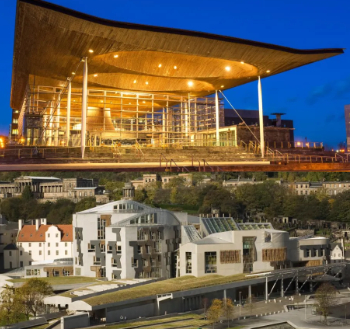
CIOB stresses importance of construction after new parliament elections.
The sad story of Derby Hippodrome
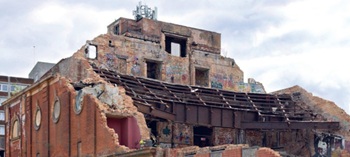
An historic building left to decay.

ECA, JIB and JTL back Fabian Society call to invest in skills for a stronger built environment workforce.

Women's Contributions to the Built Environment.
Calls for the delayed Circular Economy Strategy

Over 50 leading businesses, trade associations and professional bodies, including CIAT, and UKGBC sign open letter.
The future workforce: culture change and skill

Under the spotlight at UK Construction Week London.
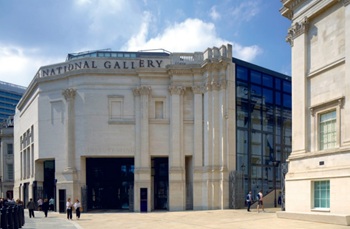
A landmark moment for postmodern heritage.