





Essential Guide to Self Assessment Tax Returns for the Building and Construction Industry
Navigating the world of Self Assessment tax returns can be particularly challenging for those in the building and construction industry. With its unique income streams, varied expenses, and regulatory requirements, understanding how to properly handle your tax affairs is crucial. This guide provides a comprehensive overview of what you need to know to manage your Self Assessment tax returns effectively.
Understanding Self Assessment
Self Assessment is a system used by tax authorities, such as HM Revenue and Customs (HMRC) in the UK, to collect income tax from individuals and businesses who do not have tax automatically deducted from their earnings. For those in the building and construction industry, this typically includes self-employed contractors, subcontractors, and other professionals.
Who Needs to File?
If you’re a sole trader, partner in a business partnership, or a director of a company who also receives income from dividends or has other income not taxed at source, you are required to file a Self Assessment tax return. This applies to a wide range of roles within the construction sector, from builders and electricians to site managers and architects.
Key Components of the Tax Return
Income Reporting: You must report all sources of income, including:
- Payments received for construction work.
- Income from rental properties if applicable.
- Any additional earnings from freelance or consulting work.
Claiming Expenses: Accurate record-keeping is essential for claiming allowable expenses. Common deductions in the construction industry include:
- Tools and equipment costs.
- Materials purchased for specific projects.
- Travel expenses between sites.
- Professional fees, such as those for accountants or consultants.
- Safety equipment and uniforms.
Keep detailed records and receipts for all expenses to ensure they are substantiated and can be claimed.
Calculating Taxable Income: Deduct your allowable expenses from your total income to determine your taxable income. Apply the relevant tax rates to calculate the amount of tax you owe.
Key Considerations
- VAT: If your annual turnover exceeds the VAT threshold, you’ll need to register for VAT and submit VAT returns. Ensure you understand how VAT affects your income and expenses, as it can impact your overall tax liability.
- IR35 Regulations: For contractors working through intermediaries (e.g., limited companies), IR35 regulations may apply. This set of rules determines whether you are operating as a genuine contractor or if your arrangement resembles employment, affecting your tax status.
- Penalties for Late Filing: Missing deadlines for submitting your Self Assessment tax return or paying your tax can result in significant penalties and interest charges. Ensure you are aware of key dates and file your return promptly.
Helpful Tips
- Maintain Detailed Records: Accurate and comprehensive record-keeping is critical. Utilize accounting software or consult a professional to ensure you are capturing all necessary details.
- Seek Professional Advice: Tax regulations can be complex, and the building and construction industry has specific nuances. Engaging a tax advisor or accountant with experience in this sector can help you navigate your obligations and maximize your allowable deductions.
- Stay Informed: Tax rules and regulations can change. Keep up-to-date with any modifications that may affect your Self Assessment tax return by regularly checking HMRC updates or consulting with a tax professional.
Conclusion
Handling Self Assessment tax returns in the building and construction industry requires careful planning and attention to detail. By understanding your reporting requirements, accurately claiming expenses, and staying informed about relevant regulations, you can manage your tax responsibilities effectively and avoid common pitfalls. For many, working with a qualified accountant can be a valuable investment to ensure compliance and optimize tax outcomes.
Featured articles and news
Costs and insolvencies mount for SMEs, despite growth

Construction sector under insolvency and wage bill pressure in part linked to National Insurance, says report.
The place for vitrified clay pipes in modern infrastructure

Why vitrified clay pipes are reclaiming their role in built projects.

Research by construction PR consultancy LMC published.
Roles and responsibilities of domestic clients
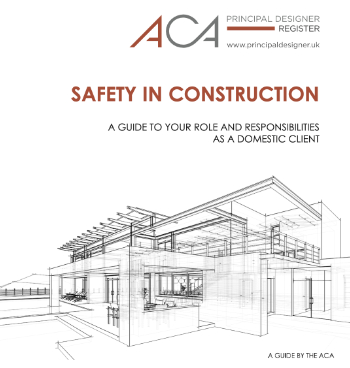
ACA Safety in Construction guide for domestic clients.
Fire door compliance in UK commercial buildings

Architect and manufacturer gives their low down.
Plumbing and heating for sustainability in new properties

Technical Engineer runs through changes in regulations, innovations in materials, and product systems.
Awareness of the Carbon Border Adjustment Mechanism
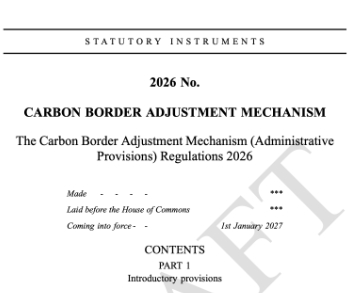
What CBAM is and what to do about it.
The new towns and strategic environmental assessments
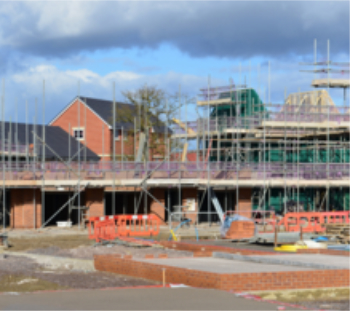
12 locations of the New Towns Taskforce reduced to 7 within the new towns draft programme and open consultation.

Buildings that changed the future of architecture. Book review.
The Sustainability Pathfinder© Handbook
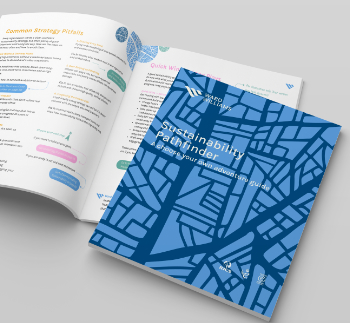
Built environment agency launches free Pathfinder© tool to help businesses progress sustainability strategies.

Government outcome to the late payment consultation, ECA reacts.
IHBC 2025 Gus Astley Student Award winners

Work on the role of hewing in UK historic conservation a win for Jack Parker of Oxford Brookes University.
Future Homes Building Standards and plug-in solar
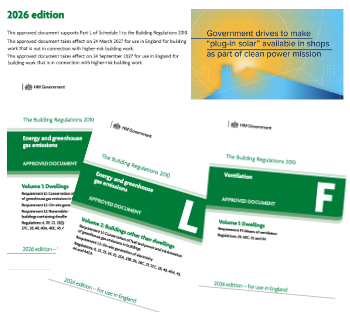
Parts F and L amendments, the availability of solar panels and industry responses.
How later living housing can help solve the housing crisis

Unlocking homes, unlocking lives.
Preparing safety case reports for HRBs under the BSA
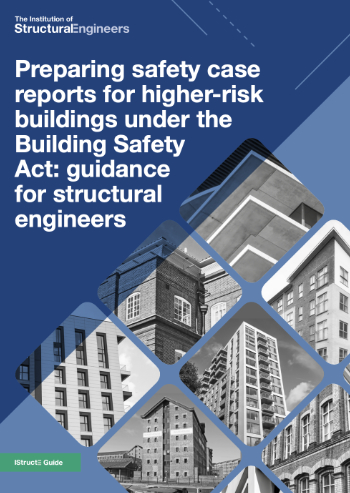
A new practical guide to preparing structural inputs for safety cases and safety case reports published by IStructE.
Male construction workers and prostate cancer

CIOB and Prostate Cancer UK encourage awareness of prostate cancer risks, and what to do about it.