





Elevate Your Space: A Guide to Designer Wall Tiles
When it comes to transforming interiors, few materials are as impactful as designer tiles for walls. Whether you're aiming to revamp a bathroom, refresh a kitchen backsplash, or create a statement wall in your living room, designer wall tiles offer endless possibilities in terms of style, texture, and creativity.
Contents |
[edit] Why Choose Designer Wall Tiles?
Designer tiles go beyond functionality — they act as an extension of your personality and design aesthetic. These tiles combine artistry with durability, offering a premium finish that can turn even the simplest space into something extraordinary.
[edit] Key Benefits:
- Aesthetic Versatility: Available in countless colors, patterns, and finishes — from glossy Moroccan-inspired mosaics to matte, concrete-like minimalism.
- Durability: High-quality tiles are resistant to moisture, stains, and heat, making them ideal for kitchens and bathrooms.
- Low Maintenance: Easy to clean and long-lasting, they retain their look for years.
- Custom Design Options: Many manufacturers now offer customizable tiles that can be tailored to your specific design vision.
[edit] Popular Types of Designer Wall Tiles
[edit] 1. Ceramic and Porcelain Tiles
Classic and cost-effective, these tiles are available in a wide range of designs. Porcelain offers higher durability and is less porous, making it a better choice for moisture-prone areas.
[edit] 2. Glass Tiles
Perfect for backsplashes and accent walls, glass tiles reflect light and add a sleek, modern touch to any room.
[edit] 3. Natural Stone Tiles
Materials like marble, travertine, and slate lend a luxurious, organic look. Each tile has a unique pattern, adding depth and sophistication to walls.
[edit] 4. 3D and Textured Tiles
Ideal for feature walls, 3D tiles create dynamic visuals through raised patterns, waves, or geometric motifs. These are particularly striking in living rooms and lobbies.
[edit] 5. Metallic and Mirror Tiles
For a high-glam finish, metallic tiles in gold, copper, or silver can add drama and opulence. Mirror tiles are popular in small or dark spaces as they amplify light and make areas appear larger.
[edit] Where to Use Designer Wall Tiles
- Bathroom Walls: Tiles with high resistance to humidity and water, such as porcelain or ceramic, work best.
- Kitchen Backsplashes: Add both beauty and practicality, protecting your walls from splashes and stains.
- Living Rooms and Hallways: Use textured or decorative tiles as a focal point or to create an accent wall.
- Commercial Spaces: Designer tiles in reception areas, hotels, and restaurants offer a lasting first impression.
[edit] Choosing the Right Tile
When selecting designer wall tiles, consider:
- Room Function: Is the space exposed to water, heat, or stains?
- Lighting: Glossy tiles reflect light, brightening up darker rooms.
- Color Palette: Neutral tones offer timeless elegance; bold colors make a modern statement.
- Size and Shape: Larger tiles can make a space feel bigger, while small tiles are great for intricate patterns.
[edit] Final Thoughts
Designer wall tiles are more than just a surface covering — they’re a design statement. Whether you're embracing a contemporary style or a timeless classic look, the right tiles can elevate your interiors from ordinary to outstanding. With so many styles and innovations available today, it’s easier than ever to bring your vision to life, one tile at a time.
Featured articles and news
Costs and insolvencies mount for SMEs, despite growth
Construction sector under insolvency and wage bill pressure in part linked to National Insurance, says report.
The place for vitrified clay pipes in modern infrastructure

Why vitrified clay pipes are reclaiming their role in built projects.
Research by construction PR consultancy LMC published.
Roles and responsibilities of domestic clients

ACA Safety in Construction guide for domestic clients.
Fire door compliance in UK commercial buildings

Architect and manufacturer gives their low down.
Plumbing and heating for sustainability in new properties
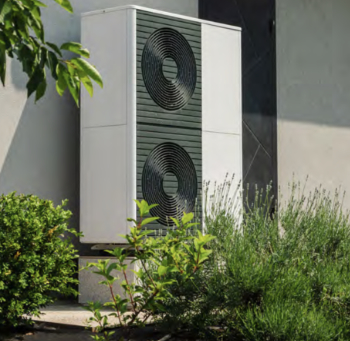
Technical Engineer runs through changes in regulations, innovations in materials, and product systems.
Awareness of the Carbon Border Adjustment Mechanism

What CBAM is and what to do about it.
The new towns and strategic environmental assessments

12 locations of the New Towns Taskforce reduced to 7 within the new towns draft programme and open consultation.

Buildings that changed the future of architecture. Book review.
The Sustainability Pathfinder© Handbook
Built environment agency launches free Pathfinder© tool to help businesses progress sustainability strategies.

Government outcome to the late payment consultation, ECA reacts.
IHBC 2025 Gus Astley Student Award winners

Work on the role of hewing in UK historic conservation a win for Jack Parker of Oxford Brookes University.
Future Homes Building Standards and plug-in solar
Parts F and L amendments, the availability of solar panels and industry responses.
How later living housing can help solve the housing crisis
Unlocking homes, unlocking lives.
Preparing safety case reports for HRBs under the BSA

A new practical guide to preparing structural inputs for safety cases and safety case reports published by IStructE.
Male construction workers and prostate cancer

CIOB and Prostate Cancer UK encourage awareness of prostate cancer risks, and what to do about it.