





Electrical and electronic equipment EEE
The UK Government and Envoronment Agency defines EEE as equipment:
- which is dependent on electric currents or electromagnetic fields to work properly
- for generating, transferring and measuring these currents and fields
- designed for use with a voltage rating 1,000 volts or less for alternating current, and 1,500 volts or less for direct current
- ‘Dependent on electric currents or electromagnetic fields to work properly’ means that the equipment needs electric currents or electromagnetic fields (not petrol or gas) to fulfil its basic function. So when the electric current is off, the equipment cannot fulfil its basic function.
Where electrical energy is only used for support or control functions, the equipment is not covered by the regulations. Equipment that only needs a spark to start it (electronic ignition) and does not need electricity to fulfil its basic function includes:
Electrical or electronic versions of standard products such as electric toothbrushes and electric suitcases are EEE products. Products that are not connected to a mains supply may still be EEE. They can be wind-up, battery-powered and solar-powered products. Where a product has several functions and only one needs an electrical current, the product may still be EEE.
[edit] Related articles on Designing Buildings
- Articles about electricity.
- Consumer electronics.
- Consumer unit.
- ECA articles.
- Electrical appliance.
- Electrical consumption.
- Electrical definition.
- Electrical energy.
- Electrical equipment.
- Electrical installation.
- Electrical power.
- Electrical resistance.
- Electrical safety.
- Electrical system.
- Electrical wiring.
- Electrician.
- Electricity bill.
Featured articles
Check out some of the best features and news from Designing Buildings as well as key stories from around the web.
Industrial heritage in the Ruhr

A marked difference to the fate of industrial landscapes in the UK.
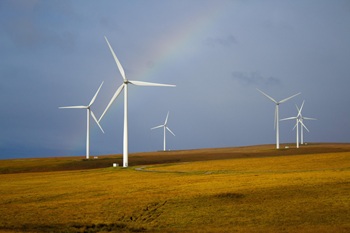
Communities will be able to build their own clean energy.
Why diversity and inclusion matters for SMEs

CIOB’s D&I Charter shows how practical changes can support long-term growth.
Cut electricity bills to power growth

Coalition sends joint letter to the Chancellor.

Gasholders: a history in pictures. Book review.
Recognition, influence and growth

SocEnv identifies three strategic pillars in new strategy to 2045.
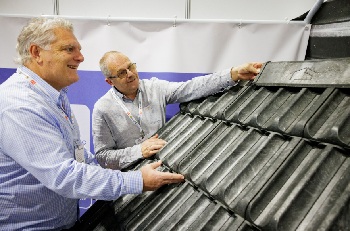
Discover the future of roofing, cladding and insulation.

New guidance for professional practice, cultural change and regulation in social housing.
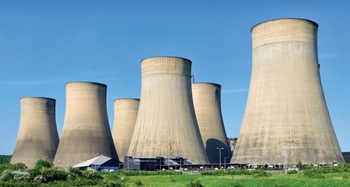
The heritage of nuclear and conventional power stations.
New measures to stop people being ripped off

Government to protect families from cowboy builders and aggressive bailiffs.

New Futurebuild showcase brings an innovation-first approach.
National Planning Policy Framework
Understanding the 2026 changes.