





Drip groove
Drip groove refers to a carpentry or stonemasonry detail on the underside of plates, sections, blocks or mouldings. This is where a thin groove is cut into the length of an element between 5 and 20 mm away from the front edge on its underside, to help prevent water from running back on the underside and instead dripping down.
It is a detail that is commonly used on the underside of window and door cills to encourage water away from the timber to wall connection, discourage water ingress and reduce the risk of damage. It may also be a feature of stonemasonry such as coping stones to prevent water running down the surface of a wall, creating staining or damage. It may also be referred to as a kerf (groove or cut) because the width of the groove is often defined by the size of the blade used to cut it.
[edit] Related articles on Designing Buildings
Featured articles
Check out some of the best features and news from Designing Buildings as well as key stories from around the web.
Building Safety Act implementation in Wales

CIAT to host industry panel on 26 June.

New and updated CLC building safety guidance.
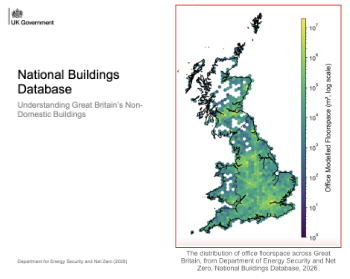
New UK National Buildings Database.
Building Safety Wiki Interviews

Chief executive of the British Woodworking Federation.
Planning condition discharge in England and Wales

A brief explanation from a building compliance expert, with further links.
Overheating guidance and tools for building designers

Guidance for dealing with element of building fabric control that have increasing importance.
Shading for housing, a design guide

From the Good Homes Alliance and British Blind and Shutter Association.
UK Standard Skills Classification (SSC)

A shared framework for describing skills needs.
Social media ban consultation comes to close

CIOB urges UK Government to consider social media’s role in careers guidance in ban debate.
The latest of eight Skills England apprenticeship units

The addition of battery manufacturing welcomed by ECA with a warning about the risks of fast-tracked apprenticeship units.
Building Control Independent Panel final report

A precis of a key report led by Dame Hackitt with full recommendations and link to the government response.