





CDM 2007 workers
For information about the role of workers under the 2015 CDM regulations see CDM 2015 workers.
The text below relates to the superseded 2007 CDM regulations and is provided as a historical reference.
Contents |
[edit] Introduction
The Construction (Design and Management) Regulations (CDM Regulations) are intended to ensure that health and safety issues are properly considered during a project’s development so that the risk of harm to those who have to build, use and maintain structures is reduced.
The regulations apply from concept design onward and impose duties on:
- The client.
- Designers.
- The CDM co-ordinator.
- The principal contractor.
- Contractors.
- Workers (including the self-employed).
The CDM Regulations describe a construction site as …any place where construction work is being carried out or to which the workers have access, but does not include a workplace within it which is set aside for purposes other than construction work.
It is not entirely clear from the regulations that there are specific duties imposed on workers, other than those imposed on ‘every person’ or ‘every duty holder’ however, they do impose duties on employers, contractors and principal contractors in relation to workers that by implication require worker engagement.
(The requirements below are only those that relate to workers, for other requirements, refer to specific articles about those duty holders)
[edit] Every person
- Every person concerned in a project who is working under the control of another person shall report to that person anything which he is aware is likely to endanger the health or safety of himself or others.
- Every person at work on a construction site shall, so far as is reasonably practicable, be instructed in the correct use of any fire-fighting equipment which it may be necessary for him to use.
[edit] Every duty holder
- Shall not accept an appointment or engagement unless he is competent.
- Shall co-operate and co-ordinate work to ensure the health and safety of construction workers and others who may be affected by the work.
- Shall apply the general principles of prevention.
- Shall not arrange for or instruct a worker unless the worker is competent, or under the supervision of a competent person.
[edit] Contractor
Shall provide suitable information and training, including:
- Site induction (where not provided by the principal contractor).
- Information about risks to their health and safety.
- Measures identified in risk assessments.
- Site rules.
- Procedures to be followed in the event of serious and imminent danger, and the identity of persons nominated to implement those procedures.
They should also provide their own employees with health and safety training.
[edit] Principal contractor
- Shall facilitate co-operation and co-ordination between all parties on site.
- Provide welfare facilities.
- Draw up rules which are appropriate to the construction site.
- Consult with workers or their representatives before making health and safety decisions.
- Ensure that notifiable details are displayed where they can be read by workers.
- Provide a suitable site induction.
- Provide information and training for the particular work to be carried out.
- Ensure that workers or their representatives can inspect and take copies of information which relates to the planning and management of the project.
[edit] Other measures
- Cofferdams and caissons shall be appropriately equipped so that workers can gain shelter or escape if water or materials enter it.
- Changing rooms shall be provided if necessary.
[edit] Related articles on Designing Buildings Wiki
Featured articles and news
Costs and insolvencies mount for SMEs, despite growth

Construction sector under insolvency and wage bill pressure in part linked to National Insurance, says report.
The place for vitrified clay pipes in modern infrastructure
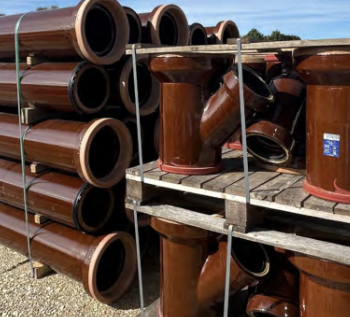
Why vitrified clay pipes are reclaiming their role in built projects.

Research by construction PR consultancy LMC published.
Roles and responsibilities of domestic clients

ACA Safety in Construction guide for domestic clients.
Fire door compliance in UK commercial buildings

Architect and manufacturer gives their low down.
Plumbing and heating for sustainability in new properties

Technical Engineer runs through changes in regulations, innovations in materials, and product systems.
Awareness of the Carbon Border Adjustment Mechanism
What CBAM is and what to do about it.
The new towns and strategic environmental assessments
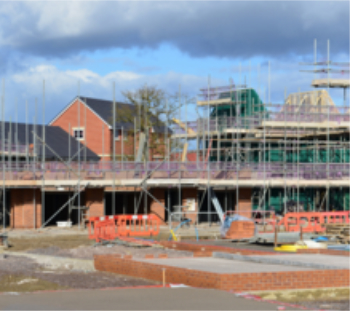
12 locations of the New Towns Taskforce reduced to 7 within the new towns draft programme and open consultation.

Buildings that changed the future of architecture. Book review.
The Sustainability Pathfinder© Handbook
Built environment agency launches free Pathfinder© tool to help businesses progress sustainability strategies.

Government outcome to the late payment consultation, ECA reacts.
IHBC 2025 Gus Astley Student Award winners

Work on the role of hewing in UK historic conservation a win for Jack Parker of Oxford Brookes University.
Future Homes Building Standards and plug-in solar
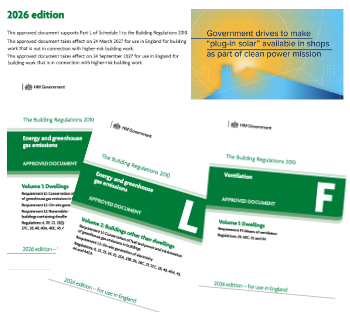
Parts F and L amendments, the availability of solar panels and industry responses.
How later living housing can help solve the housing crisis

Unlocking homes, unlocking lives.
Preparing safety case reports for HRBs under the BSA
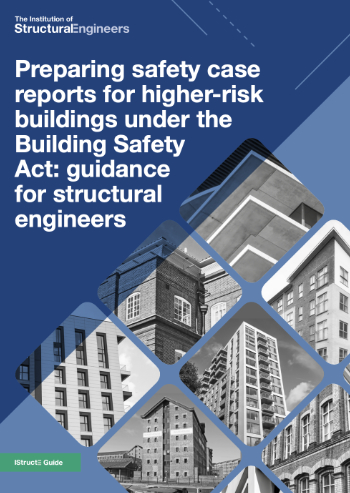
A new practical guide to preparing structural inputs for safety cases and safety case reports published by IStructE.
Male construction workers and prostate cancer

CIOB and Prostate Cancer UK encourage awareness of prostate cancer risks, and what to do about it.