






BREEAM Visual comfort Daylighting
Contents |
[edit] Aim and benefits
To encourage best practice in visual performance and comfort by ensuring daylighting, artificial lighting and occupant controls are considered.
Natural light has been always present in people's lives and is a source not probable to cease in the near future. However, the daylight levels humans are exposed to indoors nowadays are changing because of the diversification of buildings, social activities and a higher need of being indoors. Although it is possible to function without the presence of daylight, studies have proven that natural light is significantly important for the health of the occupants. It can affect humans psychologically and physiologically while it may also improve the mood, reduce stress levels, lower the fatigue and eyestrain. In addition, daylight can improve the performance of students and employees, while a view out of the room has been affirmed to positively affect the well being of occupants.
Daylight is also a way to minimise the electricity used for artificial lighting and can furthermore influence the heating and cooling loads. In office buildings for example, artificial lighting can account up to 45% of the total electrical load. Since daylight is the most affordable energy saving technique with the shortest payback time when compared to others, it makes it one of the easiest and cheapest energy efficient measures to implement. Therefore, to achieve the highest possible savings in assets and energy, full advantage of the natural source of light needs to be taken.
[edit] When to consider
This issue should be considered for all types of buildings as the value it gives to the occupants is very important for the health, mental wellbeing and productivity. An extra focus should be given to daylighting when it considers buildings mostly used in daytime, like office or educational buildings.
[edit] Step by step guidance
Awaiting content
[edit] Questions to ask while seeking compliance
Awaiting content
[edit] Tools and resources
Awaiting content
[edit] Tips and best practice
Awaiting content
[edit] Typical evidence
Awaiting content
[edit] Applicable Schemes
The guidelines collated in this ISD aim to support sustainable best practice in the topic described. This issue may apply in multiple BREEAM schemes covering different stages in the life of a building, different building types and different year versions. Some content may be generic but scheme nuances should also be taken into account. Refer to the comments below and related articles to this one to understand these nuances. See this document for further guidelines.
- UK New Construction 2014
BRE Global does not endorse any of the content posted and use of the content will not guarantee the meeting of certification criteria.
--Stefani Erika Papadaki 16:45, 20 Nov 2017 (BST)
[edit] Related articles on Designing Buildings
- Artificial lighting.
- BRE Expert Collection 6 Daylight and shading.
- BREEAM Internal and external lighting.
- BREEAM Reduction of night time light pollution.
- BREEAM Visual comfort Glare control.
- CIBSE Case Study Hepworth Gallery Lighting.
- Daylight factor.
- Daylight lighting systems.
- General lighting v task lighting.
- Human-centric lighting.
- Health and wellbeing impacts of natural and artificial lighting.
- Light pollution.
- Lighting and energy efficiency.
- Lighting and health infographic.
- Lighting for circadian rhythms.
- Types of lamp.
- Types of lighting.
- Use of lighting to improve health and wellbeing.
Featured articles
Check out some of the best features and news from Designing Buildings as well as key stories from around the web.

Your guide to The Construction Reset at UKCW Birmingham.

Accommodating the Victorian and Edwardian working woman. Book review.
Rethinking passive fire protection in design

PFP demands the same level of design rigour as structure or services.

38% of Gen Zs feel safe when a fire door is wedged open.
Stunning images from around the world
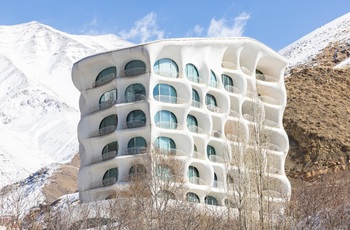
Shortlist for CIOB’s Art of Building photography competition.
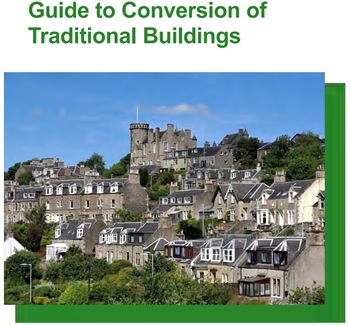
Guidance for conversion of traditional pre-1919 stone buildings.
Industrial heritage in the Ruhr
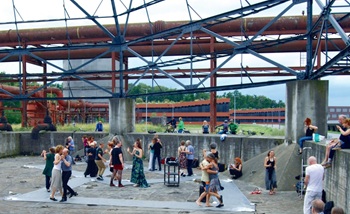
A marked difference to the fate of industrial landscapes in the UK.
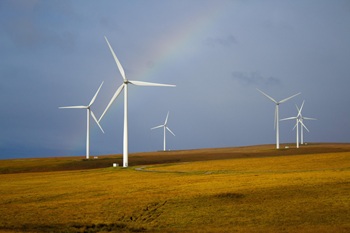
Communities will be able to build their own clean energy.
Why diversity and inclusion matters for SMEs

CIOB’s D&I Charter shows how practical changes can support long-term growth.
Cut electricity bills to power growth

Coalition sends joint letter to the Chancellor.

Gasholders: a history in pictures. Book review.
Recognition, influence and growth
SocEnv identifies three strategic pillars in new strategy to 2045.