





Auto Repair: What Causes Engine Overheating?

One of the most commonly occurring vehicle issues drivers experience is engine overheating. Although contemporary cars are meant to properly control engine temperature, several things might interfere with the cooling process and cause the engine to run too hot. Ignoring overheating can cause major engine damage, expensive maintenance, and unanticipated breakdowns. Whether you go to a mechanic for basic maintenance or look for services like Auto Body Repair Birmingham, knowing the reasons for engine overheating can help you stop major issues. Early identification of warning signs and solutions will help your car run effectively and safely.
Contents |
[edit] Low Coolant Level
Controlling engine temperature depends much on the coolant. It absorbs heat from the engine and transports it to the radiator, where it is cooled before being cycled once more. The system cannot efficiently transfer heat when coolant levels fall. This makes temperatures soar fast, especially in hot weather or over long trips. Coolant leaks, evaporation, or a lack of regular upkeep might cause it to run out. Regular coolant level checks keep overheating issues from getting severe.
[edit] Problems with Radiator
The radiator releases heat from the coolant. Engine temperatures can quickly rise if the radiator fails to fulfill this purpose correctly. Airflow might be limited by dirt, trash, and corrosion, hence compromising coolant flow. Reduced cooling effectiveness can also arise from blocked inside waterways and broken radiator fins. Regular checks and cleaning ensure proper radiator operation and assist to maintain effective engine cooling.
[edit] Damaged Thermostat
The thermostat regulates coolant flow between the radiator and engine. It opens and shuts according to the engine temperature. Should the thermostat get stuck in the closed position, coolant cannot move freely. The engine keeps its heat within, which causes overheating. A defective thermostat is usually a rather cheap fix, but putting off replacement can lead to far more major engine issues.
[edit] Cooling Fan Brokenness
Fans that cool the radiator draw air through it to control engine temperature. They are particularly crucial when the car is going slowly or stuck in traffic. Should a fan motor, relay, or electrical connection fail, airflow drops noticeably. The radiator cannot properly cool the coolant without enough airflow. A broken cooling fan can cause overheating even when every other component of the cooling system works properly.
[edit] Hoses and Component Leaks in the Cooling System will
To circulate coolant throughout the engine, the cooling system uses a network of hoses, seals, and connections. These parts can wear down, break, or come loose over time. A minor leak might lower coolant levels and compromise cooling efficiency. Regular checks can assist expose leaks before they cause major overheating problems. Fast replacement of worn parts keeps the system dependable.
[edit] Malfunctioning Water Pumps
The water pump distributes coolant throughout the engine and system. Heat cannot be effectively transferred without adequate circulation. A malfunctioning water pump might have leaks, worn bearings, or broken impellers. These issues cause the risk of overheating to rise and help to lower coolant flow. Common symptoms of water pump failure are strange noises, coolant leaks, and increased engine temperature. Early change can help to avoid serious engine damage.
[edit] Hot Weather and Too Much Engine Load
Though the cooling system works as it should, overheating might happen at times. Driving in very hot weather or under significant load strains the engine more. Towing huge trailers, carrying too much weight, or ascending inclines can all create more heat than is typical. High outside temperatures can compromise cooling efficiency even more. Drivers should keep a close eye on temperature gauges in demanding driving circumstances and let the engine rest if they see rising temperatures.
[edit] Lack of Regular Maintenance
Neglecting maintenance causes a lot of overheating issues that build up over time. Old coolant, filthy radiators, worn hoses, and broken parts sometimes signal danger signs before a malfunction happens. Early discovery of possible problems comes from regular maintenance. Regular checks help to keep the cooling system clean, full, and working well. Many times cheaper than fixing a broken engine brought on by overheating, preventive maintenance is usually much less expensive.
[edit] Early Warning Signs Identification
Engine overheating seldom occurs without warning. Drivers ought to check the temperature gauge readings, dashboard warning lights, steam coming from beneath the hood, and strange odours. Other signs could be decreased engine performance, coolant leaks, or knocking sounds. Dealing with these warning flags right now can help to stop more harm. The sooner an overheating problem is found, the simpler and more reasonably priced the repair procedure will probably be.
[edit] Conclusion:
Overheating of an engine can come from several causes, including low coolant levels, broken radiators, malfunctioning thermostats, broken cooling fans, leaks, water pump problems, too much engine load, and poor maintenance. Knowing these causes enables drivers to identify issues early and act to fix them before major damage materialises. Routine maintenance and frequent checks continue to be the greatest protection against overheating. Vehicle owners may increase dependability, lengthen engine life, and prevent expensive future repairs by maintaining the cooling system in good working order and reacting swiftly to warning signals.
Featured articles
Check out some of the best features and news from Designing Buildings as well as key stories from around the web.
Construction Management, 8 July

NEETs crisis drives interest in trades, but apprenticeships barriers remain.
Passive fire protection webinar

MEP services penetration seals.

Where its at podcast (and video) - The role of the Architectural Technologist as an Expert Witness.
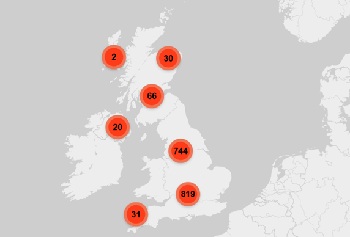
More than 200 remarkable buildings added to SAVE’s Buildings at Risk register.

Government scraps pre-application consultation for Nationally Significant Infrastructure Projects.
Historic England and infrastructure
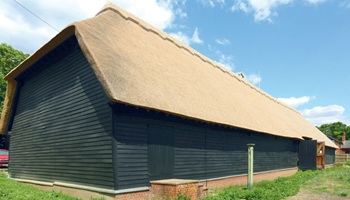
New projects offer opportunities for the historic environment and local communities.
Construction Management, 2 July

Construction deaths halve in two years.
Green Book changes to drive investment in all parts of UK.
Minimum energy efficiency standards (MEES)

CIAT briefing on response to consultations for privately rented non-domestic properties.
Connect, collaborate, shape the future

Registration now live for UK Construction Week Birmingham.

CIOB announces Saul Humphrey FCIOB as new President for 26/27 term.

A quick, simple, and zero-bills solution to prevent overheating.