





Application of Multi-Stage Crushing and Shaping Systems in Latin American Aggregate Plants
The construction and mining industries in Latin America have witnessed substantial growth in recent years, driving an increased demand for high-quality aggregates. To meet these requirements, modern aggregate plants are increasingly adopting multi-stage crushing and shaping systems. These systems enable contractors to produce uniform, high-quality stone and gravel products efficiently. By integrating advanced equipment into both fixed and mobile installations, Latin American projects can achieve optimal production rates while maintaining strict material specifications.
Contents |
[edit] Understanding Multi-Stage Crushing in Aggregate Production
A multi-stage crushing system typically involves a combination of primary, secondary, and sometimes tertiary crushers. The goal is to progressively reduce large raw materials into standardized aggregates suitable for construction, road building, and industrial applications. A properly configured aggregate crusher plant(planta chancadora de agregados) ensures high throughput, consistent output size, and minimized wear on machinery.
[edit] Components of Multi-Stage Systems
- Primary Crusher: The first stage usually involves a jaw crusher that handles large, unprocessed rocks. This initial reduction is critical for downstream equipment efficiency.
- Secondary Crusher: After initial crushing, materials are fed into secondary crushers such as cone crushers or impact crushers to achieve smaller particle sizes and better shape.
- Shaping and Screening Units: Tertiary crushers and vertical shaft impactors (VSI) are often used to enhance material shape and remove fines. Screening systems classify material according to size, ensuring compliance with project specifications.
[edit] Benefits of Multi-Stage Systems
- Consistent Product Quality: By using multiple stages, the plant produces aggregates with uniform size and cubical shapes, essential for high-performance concrete and asphalt.
- Improved Efficiency: Each stage reduces material progressively, reducing the strain on individual machines and extending equipment lifespan.
- Flexibility for Various Materials: Multi-stage systems can process hard rock, limestone, basalt, and recycled materials effectively, making them suitable for diverse Latin American project needs.

[edit] Role of Jaw Crushers in Multi-Stage Systems
The jaw crusher serves as the cornerstone of most primary crushing operations. Its simple design, reliability, and high reduction ratio make it ideal for large-scale aggregate production. In Latin American stone crusher plant(plantas trituradoras de piedra) operations, jaw crushers efficiently process raw ore from quarries into manageable pieces for secondary crushing.
[edit] Key Advantages of Jaw Crushers
- High Crushing Capacity: Jaw crushers can handle large boulders and rocks, allowing plants to maintain continuous production.
- Durable and Low Maintenance: Heavy-duty construction and simple mechanical design reduce downtime and maintenance costs.
- Versatility: Suitable for various types of stone and rock, jaw crushers are an adaptable choice for multi-stage crushing configurations.
[edit] Shaping Systems for High-Quality Aggregates
Beyond size reduction, aggregate shape is critical for construction applications. Irregularly shaped stones may compromise concrete strength, asphalt compaction, and road durability. Shaping systems, including vertical shaft impactors and specialized tertiary crushers, refine the material to meet stringent specifications.
[edit] Importance of Proper Shaping
- Enhanced Concrete Strength: Uniformly shaped aggregates improve interlocking in concrete, increasing compressive strength.
- Better Asphalt Performance: Cubical aggregates ensure higher stability in asphalt layers, reducing deformation under heavy traffic.
- Reduced Wear on Equipment: Properly shaped materials reduce abrasion on mixers, conveyors, and other plant machinery.
[edit] Integration with Screening Units
Screening units play a vital role in separating material according to size. Multi-stage crushing plants often integrate vibrating screens and sieves to classify aggregates, ensuring the final product meets client or regulatory standards. This combination of crushing and shaping provides a complete solution for both high-volume and high-quality aggregate production.

[edit] Practical Applications in Latin America
Latin American aggregate plants frequently serve a range of industries, from urban construction projects to highway development and mining operations. Implementing multi-stage crushing and shaping systems allows these plants to:
- Maximize Production Efficiency: High-capacity plants maintain continuous output while reducing bottlenecks.
- Produce Specialized Aggregates: Contractors can generate materials tailored for concrete, asphalt, or decorative stone applications.
- Adapt to Material Variations: Multi-stage systems handle variable quarry material, ensuring consistent quality despite changes in raw feedstock.
By combining aggregate crusher plant efficiency, the robustness of jaw crusher(trituradora de mandibulas funcionamiento) primary units, and advanced shaping technologies, Latin American operators can optimize both cost and performance.
[edit] Conclusion: The Future of Aggregate Production in Latin America
The application of multi-stage crushing and shaping systems is transforming aggregate production in Latin America. From large-scale stone crusher plant operations to modern modular plants, these systems deliver high-quality, uniform aggregates essential for modern construction. By integrating jaw crushers, secondary and tertiary crushers, and shaping units, plants can achieve optimal efficiency, reduce operational costs, and meet strict industry standards. Contractors embracing these technologies position themselves to meet growing infrastructure demands, ensuring both profitability and long-term sustainability.
Featured articles and news
Costs and insolvencies mount for SMEs, despite growth

Construction sector under insolvency and wage bill pressure in part linked to National Insurance, says report.
The place for vitrified clay pipes in modern infrastructure
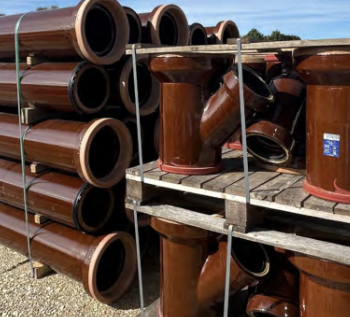
Why vitrified clay pipes are reclaiming their role in built projects.

Research by construction PR consultancy LMC published.
Roles and responsibilities of domestic clients

ACA Safety in Construction guide for domestic clients.
Fire door compliance in UK commercial buildings

Architect and manufacturer gives their low down.
Plumbing and heating for sustainability in new properties

Technical Engineer runs through changes in regulations, innovations in materials, and product systems.
Awareness of the Carbon Border Adjustment Mechanism
What CBAM is and what to do about it.
The new towns and strategic environmental assessments
12 locations of the New Towns Taskforce reduced to 7 within the new towns draft programme and open consultation.

Buildings that changed the future of architecture. Book review.
The Sustainability Pathfinder© Handbook
Built environment agency launches free Pathfinder© tool to help businesses progress sustainability strategies.

Government outcome to the late payment consultation, ECA reacts.
IHBC 2025 Gus Astley Student Award winners

Work on the role of hewing in UK historic conservation a win for Jack Parker of Oxford Brookes University.
Future Homes Building Standards and plug-in solar

Parts F and L amendments, the availability of solar panels and industry responses.
How later living housing can help solve the housing crisis

Unlocking homes, unlocking lives.
Preparing safety case reports for HRBs under the BSA

A new practical guide to preparing structural inputs for safety cases and safety case reports published by IStructE.
Male construction workers and prostate cancer

CIOB and Prostate Cancer UK encourage awareness of prostate cancer risks, and what to do about it.