





Smart glass
Glass is formed by the fusion of potash, lime and silica at high temperature.
Smart glass (or switchable glass) has properties that can change in response to external stimuli. Typically, its light transmission properties are altered when a voltage, light or heat are applied. Smart glass switches either automatically or manually and can be used to manage glare, the amount of heat or light transmitted and so on. Technologies include; electrochromic, thermochromic, SPD and PDLC (see below).
The smart glass and window market was valued at US$2.2 bn in 2014 and is expected to exceed US$6 bn by 2021, at a CAGR of 14.7%, from 2015 to 2021.
Increasing demand for efficient utilisation of energy among building managers, owners and construction companies is fuelling the smart glass and window market globally. In addition, rapid demand for smart glass in the automobile sector has resulted in significant production of fuel efficient smart glass with low emissivity. Special features such as the ability to block UV light and fast switching capability, mean that smart glasses can be preferred over normal glasses. In addition, smart windows reduce heat formation within vehicles and ensures passenger safety.
The smart windows market is dynamic and emerging as the future technology, with application areas such as power generation, construction and automotive among others. However, the high price of smart glass is a significant concern for end users and is restraining the growth of the market.
By technology, the market can segmented broadly into: active and passive:
- Active smart glass and windows held the largest share of the market globally in 2014 and accounted for more than 80%. These glasses are easy to operate and can change light transmission properties with the help of a single switch. Thus, they have found applications in the construction and transportation sectors. The active segment has been further divided into polymer dispersed liquid crystals (PDLC), suspended particle device (SPD), electrochromic and others. The suspended particle device segment had the largest share of the active smart glass and window market in 2014, owing to wide application in automobiles and airplanes.
- The passive segment is further classified into passive photochromic and passive thermochromic. Passive photochromic smart windows provide a broader range of dimmability and have many potential applications in the architectural sector. This segment had the largest share of the global market for passive smart glass and window.
In terms of applications, the global market for smart glass and window can be divided into four segments: automotive, aircraft, construction and marine. The automotive sector held the largest share of the market in 2014. Increasing demand for fuel efficiency, better adaptability and control of light along with passenger privacy and protection from radiation are some of the major factors boosting the demand for smart glass and window in automotive sector.
By geography, market is segmented into four regions i.e. North America, Europe, Asia Pacific and Rest of the World (RoW). North America had the largest share of the global market in terms of revenue in 2014 and accounted for more than 30% of the overall market. The market in North America was primarily driven by increasing technological development and rising consumer awareness about energy conservation in U.S. and Canada among others. Europe held the second largest market globally and accounted for more than 25%. The market in this region is driven by architectural developments along with the existence of large glass formats.
Some of the key players in smart glass market are Smart Glass International Ltd., Raven Brick LLC, Glass Apps, Gentex Corp., AGC Ltd, Research Frontiers, Inc., SPD Control System Corporation, Pleotint LLC, SAGE Electrochromics, Hitachi Chemicals Co. Ltd, Scienstry Inc., SAGE Electrochromics, PPG Industries and View, Inc among others.
[edit] Related articles on Designing Buildings
- Casper™ screen cloaking technology.
- Engineering Smart Cities.
- EVA film.
- European connected and smart home market.
- Internet of things.
- Low voltage driving PDLC film for smart glass.
- PAS 180:2014 Smart cities – Vocabulary.
- PAS 181:2014 Smart city Framework.
- PAS 182 Smart city data concept model.
- Smart airports.
- Smart city.
- Smart cities design timeframe.
- Smart construction.
- Smart film switchable glass.
- Smart greenhouse.
- Smart kitchen appliances.
- Smart meter.
- Smart technology.
- Smart window coating.
- The smart buildings market.
Featured articles
Check out some of the best features and news from Designing Buildings as well as key stories from around the web.

38% of Gen Zs feel safe when a fire door is wedged open.
Stunning images from around the world

Shortlist for CIOB’s Art of Building photography competition.

Guidance for conversion of traditional pre-1919 stone buildings.
Industrial heritage in the Ruhr

A marked difference to the fate of industrial landscapes in the UK.
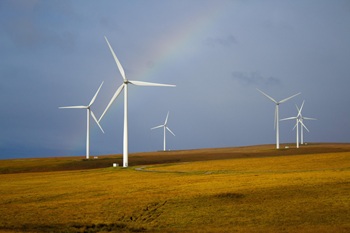
Communities will be able to build their own clean energy.
Why diversity and inclusion matters for SMEs

CIOB’s D&I Charter shows how practical changes can support long-term growth.
Cut electricity bills to power growth

Coalition sends joint letter to the Chancellor.

Gasholders: a history in pictures. Book review.
Recognition, influence and growth

SocEnv identifies three strategic pillars in new strategy to 2045.
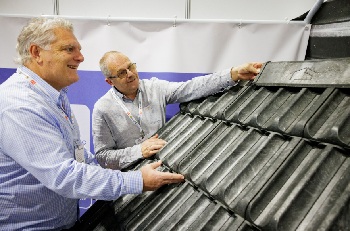
Discover the future of roofing, cladding and insulation.

New guidance for professional practice, cultural change and regulation in social housing.
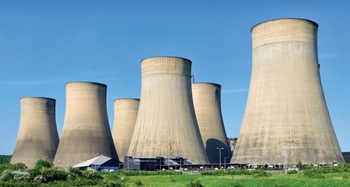
The heritage of nuclear and conventional power stations.
Comments
Nicely written, although I would suggest updating the market research estimates to match the latest document edit date.