





Right to buy
The Right to Buy scheme was introduced in 1980 to help council housing tenants (and some housing association tenants) buy their homes at a discount from the full market value of the property.
Major changes were introduced to the Right to Buy scheme in April 2012 when maximum discounts were increased from as little as £16,000 in some areas to up to £77,000 across England and £102,700 in London. 'Right to Buy' ended for all council and housing association tenants in Scotland on 31 July 2016. Wales are considering ending the scheme or reducing the discount from £16,000 to £8,000, and in Northern Ireland, the discount is up to £24,000.
The discounts can be based on:
- The amount of time a person has been a tenant with a public sector landlord.
- The type of property somebody wants to buy, i.e. a flat or a house.
- The value of the home.
Since the Right to Buy discounts were increased, over 30,000 tenants have become homeowners. The money raised through the extra sales can go towards building more affordable homes for rent.
Eligibility requirements include:
- Whether the property is the only home, or main home of the tenant.
- Whether the person is a council tenant or was when the home was sold to the current landlord.
- Being a council tenant for at least 5 years.
- Confirmation that the home is not sheltered or other housing suitable for elderly or disabled people.
- Confirmation that the tenant has no legal problems with debt.
- Confirmation that the tenant has no outstanding possession orders against them.
- Confirmation that the property is not due for demolition.
Once a tenant has checked they meet the criteria and are eligible for the scheme they can begin looking at their finances and assessing what is affordable. An application form is then completed, help can be obtained from a Right to Buy advisor. This form is then sent to the landlord. The landlord usually has up to 4 weeks to reply confirming whether or not a person has the Right to Buy their home. It can be up to 8 weeks if the potential buyer has been with the landlord for less than 5 years.
Landlords then send a letter of offer (Section 125 Notice) within 8 weeks for a freehold property and 12 weeks for a leasehold property. This sets out the property value, discount, price the buyer actually pays, any existing problems with the building and terms and conditions. Tenants then have 12 weeks to accept or appeal the landlords offer. If an agreement can be reached the interested buyer can proceed and finalise the acquisition.
There can be risks to owning a home, so it can be important to get independent mortgage advice to help decide if the purchase is affordable. Some mortgage lenders require deposits, whereas others may be satisfied with the equity in the home. Also buying a property means considering the costs of ongoing maintenance.
Selling the home within the first year would mean the owner paying back the entire discount. The amount that needs to be paid back depends on the market value of the property at that particular time.
If the buyer intends to sell the home within 5 years of purchasing it they would have to repay some of the discount:
- 80% of the discount in the second year.
- 60% of the discount in the third year.
- 40% of the discount in the fourth year.
- 20% of the discount in the fifth year.
If the property is sold within 10 years of purchasing it through the Right to Buy scheme, the owner would first need to offer it to their landlord or another social landlord in the area.
In 2015, the government proposed extending the Right to Acquire scheme to a further 500,000 housing association tenants and giving them the same discount as council housing tenants under the Right to Buy scheme. In September 2015, the National Housing Federation proposed an alternative voluntary scheme for housing associations, which communities secretary Greg Clark accepted, on the condition that the sector agree the proposals within a week of the announcement. Agreement was confirmed in David Cameron's speech to the Conservative Party conference in October 2015. See Right to buy extended to housing association tenants for more information.
In January 2016, the Local Government Association warned that more than 80,000 council homes could be lost as a result of the Right to Buy policies by 2020.
[edit] Related articles on Designing Buildings
- 100 years of council housing.
- Affordable housing.
- Affordable rented housing.
- Help to buy.
- Housing associations.
- Housing tenure.
- Intermediate housing.
- Municipal Dreams: the rise and fall of council housing.
- Preserved right to buy.
- Rent to buy.
- Right to acquire.
- Right to buy extended to housing association tenants.
- Right to Buy Receipts.
- Right to contest.
- Right to rent.
- Shared equity / Partnership mortgage.
- Shared ownership.
- Social housing.
- Social rented housing.
- Voluntary Right to Buy.
Featured articles
Check out some of the best features and news from Designing Buildings as well as key stories from around the web.
Where performance meets practice

The Building Envelope Stage at UKCW Birmingham.
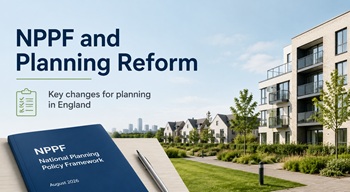
CIAT publishes briefing on planning reforms.
Leaders in Learning for Practice Network

Call for conservation leaders in learning to register interest in new network.
The importance of early engagement

Construction lessons from the Trillium HealthWorks Experience Centre.
Mayors are to be given planning call in powers
Mayors across England will be able to make the most important planning decisions.
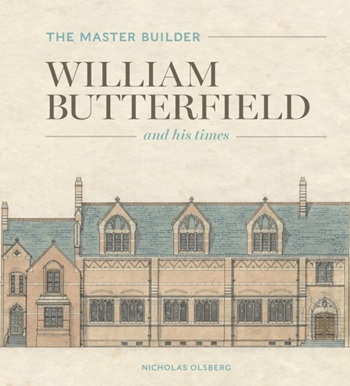
The Master Builder: William Butterfield and his times. Book review.
Why construction can't afford to ignore the skills gap.
Building Safety Regulator, 19 August

Gill Kernick appointed Independent Chair of Residents’ Panel.
Connecting knowledge, technology and conservation
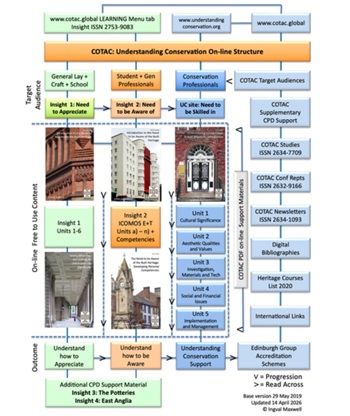
Building competence for the future of built heritage.
Building Regulations and Building Safety Act
CIOB publishes free advice for non-domestic clients.
Building Safety Newsletter from MHCLG.
An extraordinary record of steel engineering worldwide.
Comments
[edit] To make a comment about this article, or to suggest changes, click 'Add a comment' above. Separate your comments from any existing comments by inserting a horizontal line.