






Embrace social value or get left behind warns CIOB

Construction SMEs risk losing out in a competitive market if they don’t embrace the use of social value in procurement, so says a new report by the Chartered Institute of Building (CIOB).
The report, Social Value and SMEs, says a relatively small number of construction SMEs are up to speed with what social value is, how it is delivered and how it is measured. It predicts those who choose to ignore it will lose out when it comes to bidding directly for work in the public sector or for Tier 1 companies, who have had no choice but to move fast on social value since it was introduced into public sector procurement in 2020. It also adds that social value is more likely to feature in private sector procurement over time, as councils are expected to factor it into planning applications, meaning almost all projects will require its suppliers and contractors to demonstrate social value.
Saul Townsend, Head of Communications at CIOB, said: “Our advice to SME’s is to get on board with social value now. In lots of cases they’ll already be delivering it anyway, for example by recruiting locally, sourcing local materials, enhancing biodiversity, reducing carbon and engaging with local communities, but there is a need to understand how to record, measure and communicate these activities to potential clients. Demonstrating social value is not just great for winning work but also for attracting new talent into the workplace and it has a role to play in enhancing the industry’s overall reputation too.
“Our report demonstrates that businesses who are already on this journey are finding their own ways of capturing this valuable part of their work in a way that suits them. What is clear is that social value isn’t something to fear or shy away from and it certainly shouldn’t be seen as a box ticking exercise. It is here to stay and if SMEs want to be competitive, they need to get to grips with it fast.”
The CIOB report includes views on social value from within the construction sector, including from a representative from Sir Robert McAlpine, who explains how as a Tier 1 company they “rely enormously” on their supply chain to fulfil social value commitments, particularly on sourcing workers and materials locally and how those who bring solutions are “looked upon very favourably”.
It also features two SMEs from Northern Ireland who are embracing social value but say the current system there is unfair as there are no mechanisms for checking that social value pledges are actually delivered. They say companies can make social value commitments with no intention of fulfilling them, meaning they can undercut quotes from those who do spend the extra money on doing what they say they will. Both featured SMEs call for government bodies in Northern Ireland to refine the procurement process and develop a fair policy which means social value pledges have to be followed through.
The CIOB Academy offers a social value course, which is free to its members and £15 for non-members, and is also holding a social value seminar in July.
This article appears on the CIOB News site as "Embrace social value or get left behind warns CIOB" dated May 2, 2023.
--CIOB
[edit] Related articles on Designing Buildings
- Building social value.
- Corporate social responsibility in construction.
- Creating social value from civil engineering projects.
- Net Present Social Cost.
- Prosperity.
- Social benefits.
- Social cost.
- Social data.
- Social return on investment.
- Social sustainability.
- Social time preference rate.
- Social infrastructure.
- Social impact assessment.
- Social value.
- Social Value Act.
- Social value: Gearing up for giving back.
- Social value and design of the built environment.
- Social value in new development.
- Social value overview.
Featured articles
Check out some of the best features and news from Designing Buildings as well as key stories from around the web.

Your guide to The Construction Reset at UKCW Birmingham.

Accommodating the Victorian and Edwardian working woman. Book review.
Rethinking passive fire protection in design

PFP demands the same level of design rigour as structure or services.
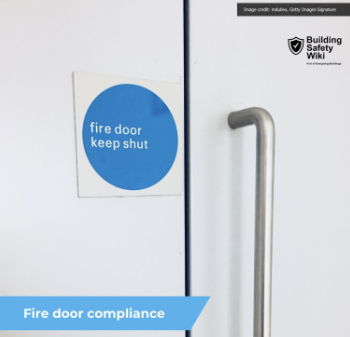
38% of Gen Zs feel safe when a fire door is wedged open.
Stunning images from around the world

Shortlist for CIOB’s Art of Building photography competition.

Guidance for conversion of traditional pre-1919 stone buildings.
Industrial heritage in the Ruhr

A marked difference to the fate of industrial landscapes in the UK.

Communities will be able to build their own clean energy.
Why diversity and inclusion matters for SMEs

CIOB’s D&I Charter shows how practical changes can support long-term growth.
Cut electricity bills to power growth

Coalition sends joint letter to the Chancellor.

Gasholders: a history in pictures. Book review.
Recognition, influence and growth

SocEnv identifies three strategic pillars in new strategy to 2045.
Comments
[edit] To make a comment about this article, click 'Add a comment' above. Separate your comments from any existing comments by inserting a horizontal line.