





Approved Document F
The first set of national building standards was introduced in 1965. Now known as the building regulations, they set out:
- What qualifies as 'building work' and so fall under the control of the regulations.
- What types of buildings are exempt (such as temporary buildings).
- The notification procedures that must be followed when starting, carrying out, and completing building work.
- Requirements for specific aspects of building design and construction.
The 'approved documents' provide guidance for how the building regulations can be satisfied in common building situations. There is no obligation to adopt the solutions presented in the approved documents, the building regulations can be satisfied in other ways.
Approved Document F: Ventilation, was last published in 2021. It includes standards for ventilation and air quality for all buildings. It also covers requirements for the prevention of condensation. The types of ventilation covered includes, mechanical, passive stack, background and purge (rapid).
Since 2021, it has been published in 2 parts:
- Approved Document F, volume 1: dwellings
- Approved Document F, volume 2: buildings other than dwellings
It is supported by the Domestic Ventilation Compliance Guide, which provides detailed guidance about the installation, inspection, testing, commissioning and provision of information when installing fixed ventilation systems in new and existing dwellings.
[edit] 2021 changes
On 15 December 2021 the government announced changes to the building regulations to the help UK deliver net zero. This includes a requirement for new homes to produce around 30% less CO2 than current standards and a 27% reduction of emissions from other new buildings, including offices and shops.
The changes follow a public consultation and come into effect from 15 June 2022, paving the way for the Future Homes and Buildings Standard in 2025, which will mean all future homes are net zero ready and will not need retrofitting.
All new residential buildings, including homes, care homes, student accommodation and children’s homes, must also be designed to reduce overheating. Improvements to ventilation are also being introduced to support the safety of residents in newly-built homes and to prevent the spread of airborne viruses in new non-residential buildings.
Alongside amendments to the Building Regulations, 5 new Approved Documents were published:
- Approved Document L, volume 1: dwellings
- Approved Document L, volume 2: buildings other than dwellings
- Approved Document F, volume 1: dwellings
- Approved Document F, volume 2: buildings other than dwellings
- Approved Document O covering overheating
Changes to Part F in the 2021 version of the approved document include:
- Requirement for indoor air quality monitoring in occupiable rooms (1.21)
- Requirements for recirculation air: HEPA filtration, UV-C germicidal irradiation or 100% fresh air mode.
- Indoor air pollutant guidance values, added fomaldehyde, ozone and TVOC
- Guidance on CO2 monitoring
Note: This is not an exhaustive list, please check the Approved Document for all changes.
For more information see: Changes to approved document L and new approved document O.
[edit] Related articles on Designing Buildings
- 15 June 2022 changes to Approved Documents.
- Approved documents.
- Approved Document C.
- Approved Document J.
- Building Regulations.
- Changes to approved document L and new approved document O
- Changes to Building Regulations Part F.
- Condensation.
- Cross ventilation.
- Future Buildings Standard shortcomings raised.
- Humidity.
- Mechanical ventilation.
- Standalone: The new way forward in non-domestic ventilation.
- Thermal comfort.
- Ventilation.
- Weather louvres can combat and complement the effects of climate change.
- Whole building ventilation.
Featured articles
Check out some of the best features and news from Designing Buildings as well as key stories from around the web.
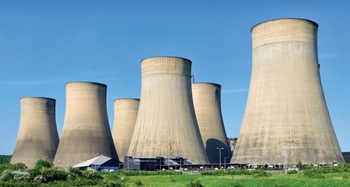
The heritage of nuclear and conventional power stations.
New measures to stop people being ripped off

Government to protect families from cowboy builders and aggressive bailiffs.

New Futurebuild showcase brings an innovation-first approach.
National Planning Policy Framework
Understanding the 2026 changes.
ECA's public affairs priorities

Member consultation opens to shape priorities for 2027 to 2030.

Dutyholder responsibilities from 1 July 2026.
Where performance meets practice

The Building Envelope Stage at UKCW Birmingham.
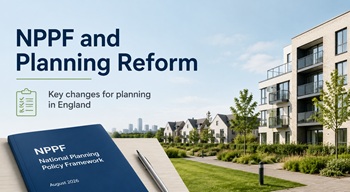
CIAT publishes briefing on planning reforms.
Leaders in Learning for Practice Network

Call for conservation leaders in learning to register interest in new network.
The importance of early engagement

Construction lessons from the Trillium HealthWorks Experience Centre.
Mayors are to be given planning call in powers
Mayors across England will be able to make the most important planning decisions.
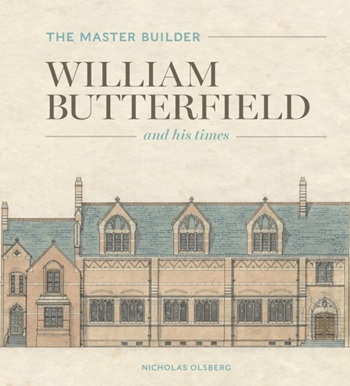
The Master Builder: William Butterfield and his times. Book review.
Comments
[edit] To make a comment about this article, or to suggest changes, click 'Add a comment' above. Separate your comments from any existing comments by inserting a horizontal line.