





Theme Building, LAX

The Theme Building is an iconic modernist structure at Los Angeles International Airport (LAX). It is recognised as an example of ‘Googie’ architecture which emerged in Southern California during the late-1940s. The ‘Googie’ movement was influenced by the futurist designs of car culture, jet travel, the emerging Space Age and the Atomic Age.
Completed in 1961, the Theme Building takes the form of a flying saucer that has landed on four legs. Flying saucers were a common aesthetic form for the ‘Googie’ movement, which often tried to symbolise motion and flight.
The original design was created in 1959 by Pereira & Luckman, and visualised the terminal buildings of LAX and the parking structures connected to a large glass dome. This proved to be too ambitious, and subsequent designs by Paul R Williams were refined with the terminals constructed elsewhere. The Theme Building marks the spot intended for the dome structure.
The building comprises a restaurant suspended from the centre by two 135 ft parabolic arches. These were the first structures in the United States to use supporting steel arches for such an application. However, the homogeneity of the crossed arches is a design illusion, as they comprise four steel-reinforced concrete legs topped with hollow stucco-covered steel trusses.

In 1997, Walt Disney Imagineering renovated the restaurant with a retro-futuristic interior and electric lighting. However, the restaurant closed in December 2013. The Observation Level is still open to the public.
In 2007, a large chunk of stucco fell from the eastern arch and smashed onto the restaurant roof. Subsequently, a 3-year repair project costing $14.3 million was undertaken, with retrofitting of a tuned mass damper to counteract seismic activity.
In 1993, the Los Angeles City Council designated the building a historic-cultural monument. It remains one of the city’s most iconic structures.
It served as the inspiration for U2’s ‘Claw’ stage design for their 2009-12 ‘360 tour’, which was the largest stage ever toured. For more information, see U2 – 360 (2009-12).
[edit] Related articles on Designing Buildings Wiki
Featured articles and news
Costs and insolvencies mount for SMEs, despite growth

Construction sector under insolvency and wage bill pressure in part linked to National Insurance, says report.
The place for vitrified clay pipes in modern infrastructure
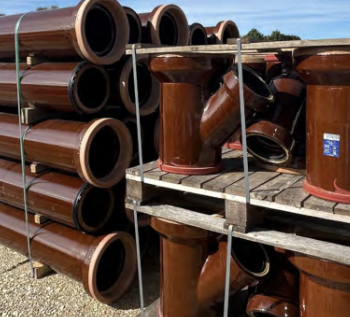
Why vitrified clay pipes are reclaiming their role in built projects.
Research by construction PR consultancy LMC published.
Roles and responsibilities of domestic clients

ACA Safety in Construction guide for domestic clients.
Fire door compliance in UK commercial buildings

Architect and manufacturer gives their low down.
Plumbing and heating for sustainability in new properties
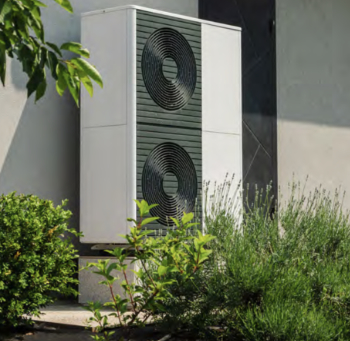
Technical Engineer runs through changes in regulations, innovations in materials, and product systems.
Awareness of the Carbon Border Adjustment Mechanism
What CBAM is and what to do about it.
The new towns and strategic environmental assessments
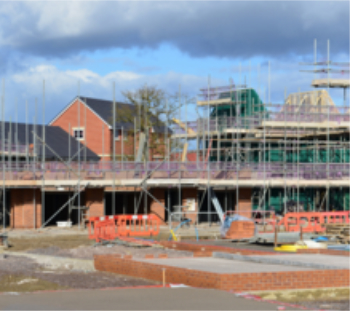
12 locations of the New Towns Taskforce reduced to 7 within the new towns draft programme and open consultation.
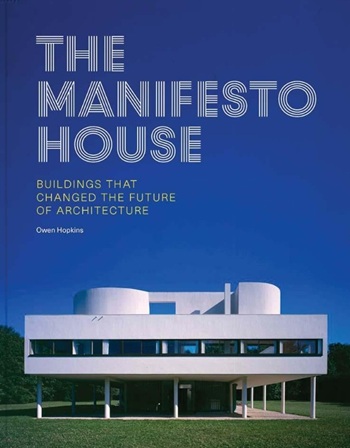
Buildings that changed the future of architecture. Book review.
The Sustainability Pathfinder© Handbook
Built environment agency launches free Pathfinder© tool to help businesses progress sustainability strategies.
Government outcome to the late payment consultation, ECA reacts.
IHBC 2025 Gus Astley Student Award winners
Work on the role of hewing in UK historic conservation a win for Jack Parker of Oxford Brookes University.
Future Homes Building Standards and plug-in solar
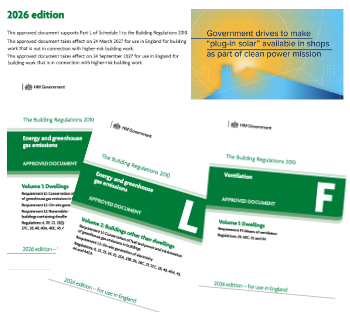
Parts F and L amendments, the availability of solar panels and industry responses.
How later living housing can help solve the housing crisis
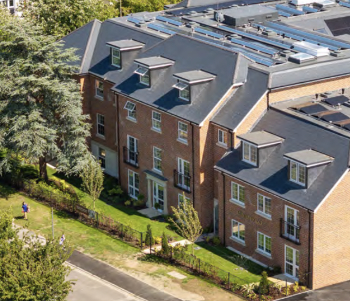
Unlocking homes, unlocking lives.
Preparing safety case reports for HRBs under the BSA
A new practical guide to preparing structural inputs for safety cases and safety case reports published by IStructE.
Male construction workers and prostate cancer
CIOB and Prostate Cancer UK encourage awareness of prostate cancer risks, and what to do about it.
Comments
The restaurant never revolved, according to officials at LAX. It's a commin myth because of its shape.