





Supply in construction

‘Supply’ is the flow of resources used to satisfy a demand, such as materials, labour, information, skills, and so on. It can also refer to competencies or combinations of resources. In very general terms, commodity suppliers tend to be more price focused, whilst strategic suppliers are more quality/delivery focused.
As an economic concept, supply can relate to the amount that is available at a specific price, or the amount that is available across a range of prices. Goods and services all have their own supply and demand patterns based on the principle that if the market demands something and consumers are willing to pay more for it, producers will add to the available supply. As the supply increases, the price falls provided there is the same level of demand until (in theory at least) an equilibrium point is reached at which the supply equals the demand and there is neither any wasted supply or shortages.
In the construction industry, the term ‘supplier’ refers to organisations contracted as part of the delivery of a built asset. Traditionally, suppliers were considered to be organisations contracted to provide physical supplies such as goods, materials, plant, and so on; however, use of the term is now much broader and PAS 1192-2 defines a supplier as any ‘…provider of services or goods either directly to the employer or to another supplier in a supply chain’.
For more information see: Supplier.
The term 'supply chain' refers to the interconnected hierarchy of supply contracts necessary to procure a built asset. Managing the supply chain involves understanding the breakdown and traceability of products and services, organisations, logistics, people, activities, information and resources that transform raw materials into a finished product that is fit for its purpose.
For more information see: Supply chain.
Supply chain management requires a holistic perspective and a view of organisations as parts of a process. It requires the ability to look beyond organisational boundaries, and a recognition of interdependencies.
NB The term ‘supply’ can also refer to the transmission of utilities through a network, for example, an electricity supply, water supply and so on.
[edit] Related articles on Designing Buildings Wiki
Featured articles and news
A carbon case for indigenous slate
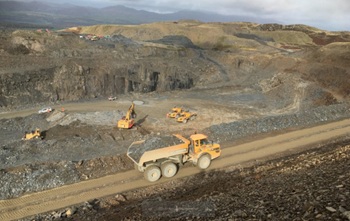
UK slate can offer clear embodied carbon advantages.
Costs and insolvencies mount for SMEs, despite growth

Construction sector under insolvency and wage bill pressure in part linked to National Insurance, says report.
The place for vitrified clay pipes in modern infrastructure
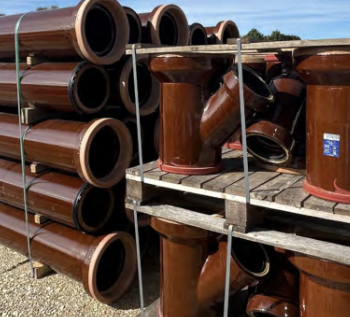
Why vitrified clay pipes are reclaiming their role in built projects.

Research by construction PR consultancy LMC published.
Roles and responsibilities of domestic clients

ACA Safety in Construction guide for domestic clients.
Fire door compliance in UK commercial buildings

Architect and manufacturer gives their low down.
Plumbing and heating for sustainability in new properties

Technical Engineer runs through changes in regulations, innovations in materials, and product systems.
Awareness of the Carbon Border Adjustment Mechanism
What CBAM is and what to do about it.
The new towns and strategic environmental assessments

12 locations of the New Towns Taskforce reduced to 7 within the new towns draft programme and open consultation.

Buildings that changed the future of architecture. Book review.
The Sustainability Pathfinder© Handbook
Built environment agency launches free Pathfinder© tool to help businesses progress sustainability strategies.

Government outcome to the late payment consultation, ECA reacts.
IHBC 2025 Gus Astley Student Award winners

Work on the role of hewing in UK historic conservation a win for Jack Parker of Oxford Brookes University.