





Pilotis

Pilotis are supports that lift a building above the ground or a body of water. They are similar in nature to to stilts, piers, columns, pillars, posts and so on.
In timber form, they were traditionally used in the vernacular architecture of Asia and Scandinavia, or wherever indigenous peoples lived at a water’s edge. They may also be used in hurricane or flood-prone areas, to raise the structure above storm surge levels.
Pilotis are commonly arranged in a regular grid pattern. By providing simple points of support, they ensure that the structure has a minimal impact on the terrain. However, they can also be used in combination with the surrounding landscape, such as trees or rock formations.
The pioneer of modern pilotis was the architect Le Corbusier, who used them both functionally as ground-level supporting columns, and philosophically as a tool for freeing the rigidity of traditional plan layouts, enabling efficient, buildings as 'machines for living'.
His use of pilotis is best-known in Villa Savoye (below), where the architectural volume is lifted, allowing a space for circulation underneath, and giving the building the appearance of lightness and floating above the landscape. Le Corbusier used a variety of pilotis in his buildings, from slender posts to the massive Brutalist forms of the Marseilles Housing Unit.

[edit] Related articles on Designing Buildings Wiki
Featured articles
Check out some of the best features and news from Designing Buildings as well as key stories from around the web.
Campaigning for Edinburgh: the Cockburn Association 1875-2049
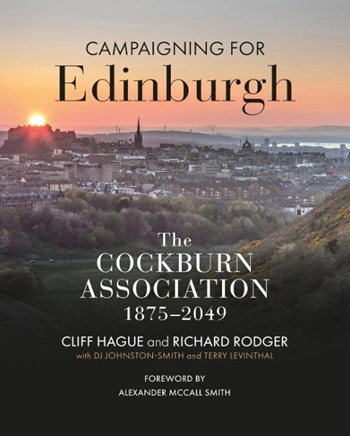
The role of the civic voice in protecting character. Book review.
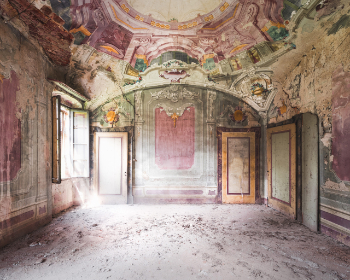
CIOB photography competition is open for entries.
ECA Edmundson apprentice of the year award

Finalists announced.
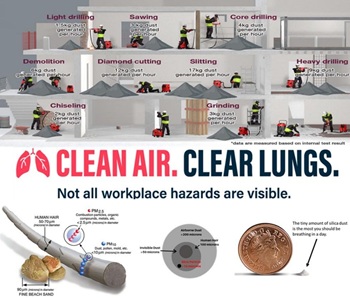
Major new study exposes serious knowledge gaps.
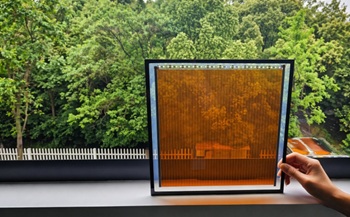
Generating energy from internal light as well as sunshine.

ECA welcomes plans to strengthen subcontractor quality control.

Combining mid-career qualifications with experience broadens career opportunities.

Why being a mentor can help your career.

Channel 4 broadcaster to host 125th anniversary ceremony.
Listed structures on the rail network
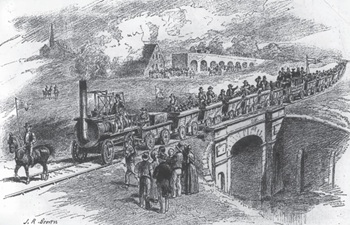
Heritage interests and operational requirements must be balanced.
Historic England publishes research into embodied carbon when retrofitting traditional buildings.

New Prime Minister delivers on ECA call for cut in electricity costs.