





Crow-stepped gable

A crow-stepped gable, also known as a stepped gable or corbie step, is a design for a building’s triangular gable end. It takes the form of a stair-step pattern at the top of the stone or brick parapet wall which projects above the roofline.
Used as decoration, as well as being a convenient method for finishing brick or stone courses, crow-stepped gables were traditionally used on Dutch houses, Danish medieval churches, and Scottish buildings dating back to the 16th century. They were also a feature of the northern-Renaissance Revival and Dutch Colonial Revival styles of 19th century America.
Crow steps are commonly made of sandstone or brick, which, due to their porosity, generally have to be capped with lead or a stone coping, or sealed with other materials.
In addition, as the roofing slates do not reach the outer face of the gable with crow steps, several techniques had to be employed in order to maintain the water-tightness, including:
- Raising the last slate using a wedge and laying mortar over the edge to seal the gap.
- Cutting a groove approximately 25 mm (1 inch) deep to the inside edge of the steps and inserting a lead abutment flashing.
- Lead flashings placed into the joints between bricks as they are laid.
See also: Crow-step.
[edit] Related articles on Designing Buildings
Featured articles and news
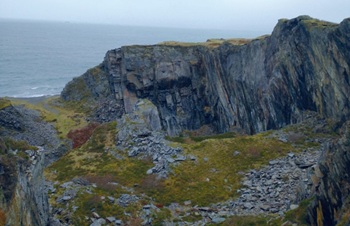
There are plenty of sources with the potential to be redeveloped.
Change of use legislation breaths new life into buildings

A run down on Class MA of the General Permitted Development Order.
Solar generation in the historic environment
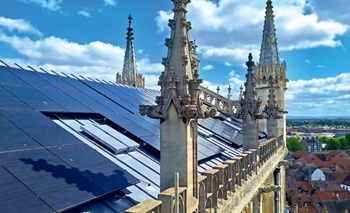
Success requires understanding each site in detail.
Level 6 Design, Construction and Management BSc

CIOB launches first-ever degree programme to develop the next generation of construction leaders.

Open for business as of April, with its 2026 prospectus and new pipeline of housing schemes.
The operational value of workforce health

Keeping projects moving. Incorporating unplanned absence and the importance of health, in operations.
A carbon case for indigenous slate
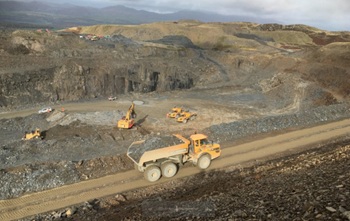
UK slate can offer clear embodied carbon advantages.
Costs and insolvencies mount for SMEs, despite growth

Construction sector under insolvency and wage bill pressure in part linked to National Insurance, says report.
The place for vitrified clay pipes in modern infrastructure
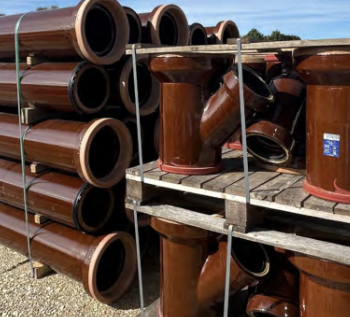
Why vitrified clay pipes are reclaiming their role in built projects.

Research by construction PR consultancy LMC published.
Roles and responsibilities of domestic clients

ACA Safety in Construction guide for domestic clients.
Fire door compliance in UK commercial buildings

Architect and manufacturer gives their low down.