





Work order management system
 Introduction
Work order management systems use a dashboard-based software approach to track and manage relevant maintenance projects and processes for facilities management departments. Work orders are typically related to the upkeep of equipment and can incorporate both simple and complex tasks such as changing an air filter or replacing an entire HVAC (heating ventilation and air conditioning) system.
Work order management systems are suitable for multi-site organisations and can be integrated with enterprise asset management (EAM) software or computerised maintenance management systems (CMMS). EAM and CMMS are different types of work order management systems.
Contents |
[edit] Characteristics
Work order management systems document basic processes - create work orders, request updates, track task completions - which are then broken down into smaller tasks. These systems can be tailored to incorporate requirements necessary for auditing purposes, regulatory requirements or other business-specific concerns.
Some systems are also able to monitor additional tasks associated with maintenance work orders:
- Prioritise requests (emergency request or planned repair).
- Provide details of the task, including safety requirements and special tools needed for the job.
- Gather job costing and billing information.
- Track time for task completion (including projected downtime).
- Summarise tasks by trade or job type.
- Create summaries for managers based on department requests.
- Monitor supplies, costs and warranties (including inventory management).
- Generate preventive maintenance schedules.
With a computerised work order management approach to maintenance, work orders are created in real time. They are then assigned and sent directly to the appropriate tradesperson to complete based on the information provided. It is possible to order replacement parts simultaneously with the creation of the work order.
[edit] Generation of work orders
Work orders are typically generated when an internal request is made, but they can also come about after a general facility inspection or safety audit. Property inspections may reveal maintenance issues with electrical systems, roofing or other site features. Safety audits can trigger repairs for signage, lighting, waste management and other hazardous situations.
Preventive maintenance tasks can also be a source of work orders, particularly when they identify the need to replace parts, materials or supplies.
[edit] Reporting capabilities
Work order management systems track the progress of maintenance tasks. They can also trigger alerts if problems occur or if a task has not been initiated.
Once the task is complete, the system can generate reports for data mining. This analysis can be used for assessing budgets and resource availability and for other planning purposes.
[edit] Related articles on Designing Buildings Wiki
Featured articles
Check out some of the best features and news from Designing Buildings as well as key stories from around the web.
Bridging the gap between clients and contractors

Concerns remain around contractor quality, capability, and delivery.
Construction Management, 10 June.
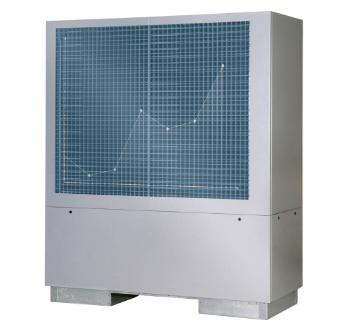
Heat pumps beat boilers in new home tests.
Building Safety Act implementation in Wales

CIAT to host industry panel on 26 June.

New and updated CLC building safety guidance.
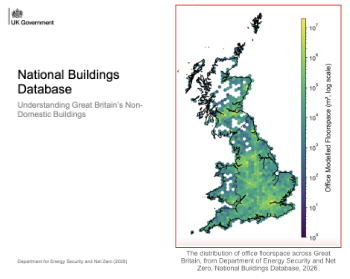
New UK National Buildings Database.
Building Safety Wiki Interviews

Chief executive of the British Woodworking Federation.
Planning condition discharge in England and Wales

A brief explanation from a building compliance expert, with further links.
Overheating guidance and tools for building designers

Guidance for dealing with element of building fabric control that have increasing importance.
Shading for housing, a design guide

From the Good Homes Alliance and British Blind and Shutter Association.
UK Standard Skills Classification (SSC)

A shared framework for describing skills needs.
Social media ban consultation comes to close

CIOB urges UK Government to consider social media’s role in careers guidance in ban debate.