





Triple glazing
The term 'glazing' refers to the glass component of a building's façade or internal surfaces. Historically, the installation of glazing was undertaken by a specialist glazier, but today it is possible to purchase entire window units which can be fitted by a general contractor. For more information see: Glazing.
Originally, windows were single glazed, consisting of a single layer of glass. However, a substantial amount of heat is lost through single glazing, and so double glazing was developed, comprising two layers of glass separated by 6-20 mm by a spacer bar creating a cavity filled with air or a gas such as argon. For more information see: Double glazing.
Typically, single glazing can achieve a U-value of around 4.5 W/m²K, whilst the best double glazing can achieve a U-value as low as 1.2 W/m²K. This means that less heat is transmitted through the glazing, and so less energy is required to maintain a comfortable environment inside the building, resulting in lower energy costs and lower carbon emissions.
More recently, super-efficient triple glazing has been developed, comprising three panes of glass separated by spacer bars, and two cavities, generally filled with argon. Triple glazed windows can achieve a U-value of between 0.8 W/m²K and 0.5 W/m²K. This is well below the requirements of the building regulations in England and Wales, which require that windows have a Window Energy Rating (WER) of at least band C or have a U-value of no more than 1.6 W/m²K. However, in some colder parts of northern Europe, triple glazing is the norm, and triple glazing is a requirement of some green rating schemes such as Passivhaus.
As well as energy efficiency, triple glazing can allow improved thermal comfort for the occupants of buildings (by reducing cold spots and eliminating cold downdrafts) as well as better acoustic performance, increased security, reduced solar gain in the summer and a reduction in surface condensation. In combination with other energy saving design features, it can result in noticeable reduction in bills. It may also increase the value of a building.
However, triple glazing is likely to cost around 20% more than double glazing, which in itself is unlikely to be paid back in terms of energy savings in the UK within 10-15 years. This means it is not necessarily an economically justifiable choice as a stand alone design decision. In addition it takes more materials to manufacture (and so has a higher embodied energy). It is also heavier than double glazing and so may require a more substantial supporting structure and is more complex to fit. It also requires great care in manufacture and installation to ensure that designed levels of energy performance are actually achieved on site, and it reduces solar gain in the winter which can increase the amount of heating required.
To a certain extent, whether the benefits outweigh the drawbacks depends on the nature of the installation itself, affected by considerations such as; the extent of glazing in the building, the local climate and degree of exposure, the performance of any existing glazing, the thermal performance of other aspects of the building, and the opportunity cost compared to other potential energy-saving features such as; the installation of a heat pump, super insulation of the walls and roof, improved airtightness and so on.
Alternative approaches to improving the thermal performance of glazing include; wider cavities between the panes of glass (but not so wide as to allow convection), warm spacer bars, low-e coatings, careful design of the frame (to avoid cold bridges, ensure airtightness and introduce insulation), the addition of secondary glazing, careful manufacture and installation and so on.
[edit] Related articles on Designing Buildings Wiki
Featured articles
Check out some of the best features and news from Designing Buildings as well as key stories from around the web.

New and updated CLC building safety guidance.
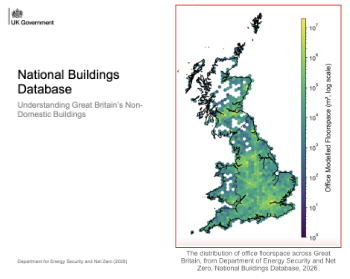
New UK National Buildings Database.
Building Safety Wiki Interviews

Chief executive of the British Woodworking Federation.
Planning condition discharge in England and Wales

A brief explanation from a building compliance expert, with further links.
Overheating guidance and tools for building designers

Guidance for dealing with element of building fabric control that have increasing importance.
Shading for housing, a design guide

From the Good Homes Alliance and British Blind and Shutter Association.
UK Standard Skills Classification (SSC)

A shared framework for describing skills needs.
Social media ban consultation comes to close

CIOB urges UK Government to consider social media’s role in careers guidance in ban debate.
The latest of eight Skills England apprenticeship units

The addition of battery manufacturing welcomed by ECA with a warning about the risks of fast-tracked apprenticeship units.
Building Control Independent Panel final report
A precis of a key report led by Dame Hackitt with full recommendations and link to the government response.
Building Safety recap April, 2026

A short and longer run-through of the month, with links to further information and sources.