





Trickle ventilation in buildings

Ventilation is necessary in buildings to remove ‘stale’ air and replace it with ‘fresh’ air:
- Helping to moderate internal temperatures.
- Replenishing oxygen.
- Reducing the accumulation of moisture, odours, bacteria, dust, carbon dioxide, smoke and other contaminants that can build up during occupied periods.
- Creating air movement which improves the comfort of occupants.
Ventilation in buildings can be either natural or mechanical. Mechanical ventilation tends to be driven by fans, whereas natural ventilation is driven by ‘natural’ pressure differences between one part of the building and another.
Modern buildings tend to be virtually sealed from the outside, and modern, naturally ventilated buildings can suffer problems such as condensation when windows or other ventilators are closed, for example in the winter or at night.
As a result, ‘trickle ventilation’ may be provided to ensure there is always an adequate level of background ventilation. Trickle ventilators are typically manually controlled slots incorporated into window frames. They are generally operated by opening or closing a flap depending on the need for ventilation, however they are intended to be left in the open position.
Trickle ventilation can also be provided by ventilation slots in the glass itself.
It is recommended that trickle ventilators are located approximately 1.7m above the floor level to avoid creating cold draughts.
Trickle ventilators can be self-balancing, with the size of the open area changing automatically depending on the air pressure difference across it, reducing the risk of draughts during windy weather.
‘Crack’ settings (or night latch positions) that allow windows to be left slightly open are not generally recommended as a means of providing background ventilation because of the risk of creating draughts and because of security concerns.
The requirements for ventilation in the UK are set out in the Buildings Regulations Part F, Ventilation.
NB Short Guide, Fabric Improvements for Energy Efficiency in Traditional Buildings, published on 1 March 2013 by Historic Scotland, defines a trickle vent as: ‘A small opening in a window or building component to allow for ventilation, where natural ventilation should occur but may be impinged.’
[edit] Related articles on Designing Buildings
Featured articles and news
Change of use legislation breaths new life into buildings

A run down on Class MA of the General Permitted Development Order.
Solar generation in the historic environment
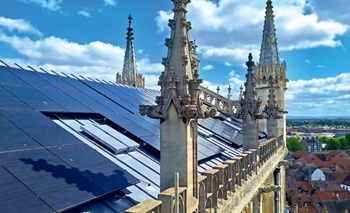
Success requires understanding each site in detail.
Level 6 Design, Construction and Management BSc

CIOB launches first-ever degree programme to develop the next generation of construction leaders.

Open for business as of April, with its 2026 prospectus and new pipeline of housing schemes.
The operational value of workforce health

Keeping projects moving. Incorporating unplanned absence and the importance of health, in operations.
A carbon case for indigenous slate
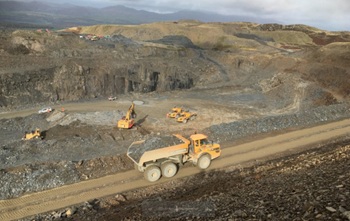
UK slate can offer clear embodied carbon advantages.
Costs and insolvencies mount for SMEs, despite growth

Construction sector under insolvency and wage bill pressure in part linked to National Insurance, says report.
The place for vitrified clay pipes in modern infrastructure
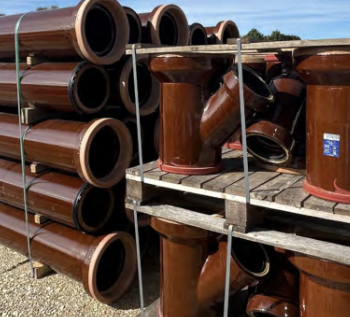
Why vitrified clay pipes are reclaiming their role in built projects.

Research by construction PR consultancy LMC published.
Roles and responsibilities of domestic clients

ACA Safety in Construction guide for domestic clients.
Fire door compliance in UK commercial buildings

Architect and manufacturer gives their low down.
The new towns and strategic environmental assessments
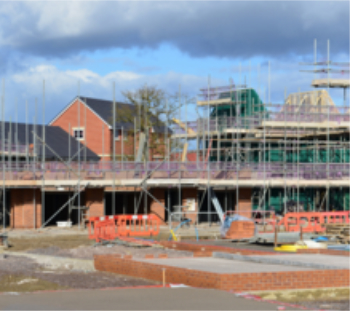
12 locations of the New Towns Taskforce reduced to 7 within the new towns draft programme and open consultation.

Buildings that changed the future of architecture. Book review.