





Tips for staying cool in buildings
With 2018's record-breaking summer heatwave stretching on into August, BSRIA has published a list of top tips for surviving in buildings. The list is by no means prescriptive, but even adopting a couple of the suggestions could help keep staff cool and more productive:
- Installing external solar shading – technicalities, practicalities and location allowing.
- Installing glazing that reduces solar gain – such as a 'green' foil that reflects high levels of radiant heat.
- Leaving thermal mass exposed as part of a major internal refurbishment of concrete or masonry buildings.
- Making use of night-time free cooling, either using a building’s existing ventilation system, or a 'manual' method (security should be taken into account if leaving windows open at night).
- Reducing internal gains by installing energy efficient lighting and ensuring all lights and other electrical equipment are switched off when not in use.
- Installing energy-efficient air conditioning (although this should be seen as a last resort and it may be a trigger for consequential improvements under the building regulations).
- Using electric fans.
- Giving out free ice cream and ice lollies on hot days and maybe allowing staff to leave early (with flexible working of course).
David Bleicher, Publications Manager at BSRIA, said:
“The UK, and in fact all of Europe, is currently experiencing a sustained heatwave – set to break records of 2003 and, indeed, 1976.
"Drinking water should play a big part, with water coolers available for staff to keep hydrated and reminders for staff to drink more. One should be aiming for over the recommended two litres per day in hot weather. Tea and coffee are dehydrating but if staff can’t live without their morning caffeine fix, iced latte is an alternative.
"Another idea is to unplug electrical devices once they’re charged. Indeed: chargers, iPads et al all produce unnecessary heat while they’re plugged in – and every little bit helps when you’re trying to cool down.”
This article was originally published here in August 2018 by BSRIA.
--BSRIA
[edit] Find out more
[edit] Related articles on Designing Buildings Wiki
Featured articles and news
Costs and insolvencies mount for SMEs, despite growth

Construction sector under insolvency and wage bill pressure in part linked to National Insurance, says report.
The place for vitrified clay pipes in modern infrastructure
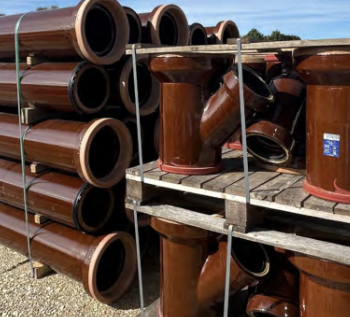
Why vitrified clay pipes are reclaiming their role in built projects.

Research by construction PR consultancy LMC published.
Roles and responsibilities of domestic clients

ACA Safety in Construction guide for domestic clients.
Fire door compliance in UK commercial buildings

Architect and manufacturer gives their low down.
Plumbing and heating for sustainability in new properties
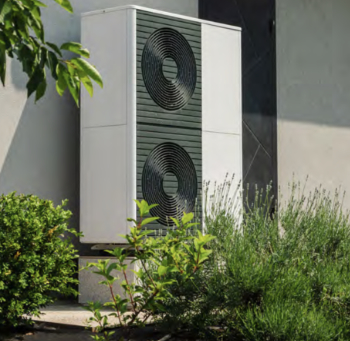
Technical Engineer runs through changes in regulations, innovations in materials, and product systems.
Awareness of the Carbon Border Adjustment Mechanism
What CBAM is and what to do about it.
The new towns and strategic environmental assessments
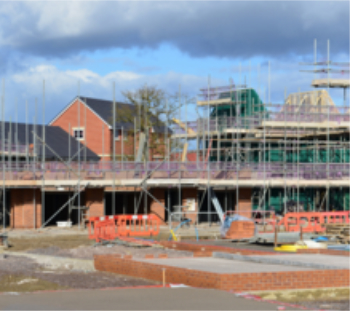
12 locations of the New Towns Taskforce reduced to 7 within the new towns draft programme and open consultation.
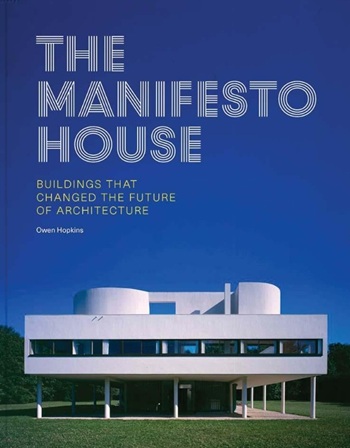
Buildings that changed the future of architecture. Book review.
The Sustainability Pathfinder© Handbook
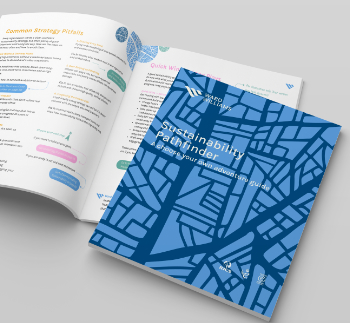
Built environment agency launches free Pathfinder© tool to help businesses progress sustainability strategies.
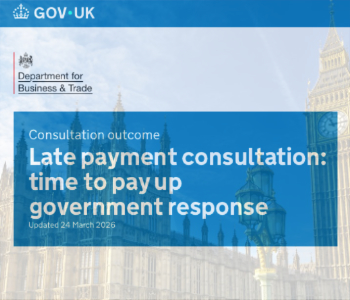
Government outcome to the late payment consultation, ECA reacts.
IHBC 2025 Gus Astley Student Award winners
Work on the role of hewing in UK historic conservation a win for Jack Parker of Oxford Brookes University.
Future Homes Building Standards and plug-in solar
Parts F and L amendments, the availability of solar panels and industry responses.
How later living housing can help solve the housing crisis
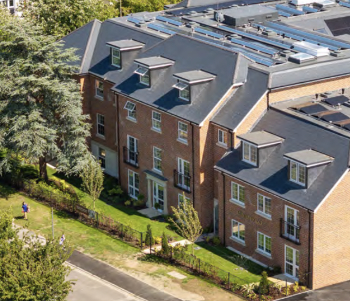
Unlocking homes, unlocking lives.
Preparing safety case reports for HRBs under the BSA
A new practical guide to preparing structural inputs for safety cases and safety case reports published by IStructE.
Male construction workers and prostate cancer

CIOB and Prostate Cancer UK encourage awareness of prostate cancer risks, and what to do about it.