





The Timeless Legacy and Modern Relevance of Oil Paintings
Art has always been humanity’s most enduring language, transcending geography, culture, and time. Among the many mediums that have shaped art history, oil painting holds a distinguished place. From the grandeur of Renaissance masterpieces to the expressive strokes of modern abstraction, oil paintings have defined eras, influenced cultures, and captivated generations of collectors. Today, as the global art market expands and digital art emerges, oil paintings remain an anchor of authenticity, craftsmanship, and value. This article explores the legacy, evolution, and modern relevance of oil paintings—while offering insights for collectors, artists, and interior enthusiasts.
Contents |
[edit] The Historical Significance of Oil Paintings
Oil painting as a medium emerged in Europe during the early Renaissance, revolutionizing artistic expression. Artists like Jan van Eyck, Leonardo da Vinci, and Rembrandt elevated oil to new heights, using its rich pigments and slow-drying qualities to create intricate details and lifelike depth. Unlike tempera or fresco, oil offered artists unmatched versatility—allowing them to layer, blend, and rework compositions with precision.
Through centuries, oil paintings became synonymous with prestige and permanence. Monarchs commissioned portraits, religious institutions celebrated sacred stories, and patrons adorned their estates with oil masterpieces. These works were not just art but also cultural statements, showcasing wealth, influence, and devotion.
[edit] The Unique Appeal of Oil as a Medium
Even in today’s era of digital dominance, oil paintings continue to hold a unique appeal. The reasons are deeply rooted in the properties of the medium itself:
- Depth and Texture: Oil paints allow layering, resulting in artworks with rich textures and luminous depth that other mediums cannot replicate.
- Durability: Properly cared for, oil paintings can last centuries—making them both aesthetic and heirloom investments.
- Color Brilliance: Oils retain vibrancy over time, enabling bold contrasts and subtle tonal transitions.
- Versatility: From hyperrealism to abstract expressionism, oil accommodates diverse styles without losing its visual richness.
This combination of qualities ensures that oil paintings remain central to both traditional and contemporary art practices.
[edit] Oil Paintings in the Modern Art Market
While contemporary art has diversified into digital and mixed-media forms, the demand for oil paintings remains strong. Collectors often view oils as both cultural treasures and financial assets. Several trends stand out in today’s market:
- Rising Value of Originals – Collectors prize original oil paintings because they represent the artist’s hand directly, unlike prints or reproductions.
- Diverse Subjects – From landscapes and portraits to abstract and figurative works, oil paintings cater to varied tastes, making them versatile additions to homes, galleries, and offices.
- Global Accessibility – Online galleries and art platforms have made oil paintings more accessible, enabling art enthusiasts to explore and purchase works by established and emerging artists worldwide.
- Interior Relevance – Oil paintings are no longer confined to museums; they play a vital role in interior design, adding sophistication and narrative depth to modern spaces.
[edit] Actionable Advice for Collectors and Enthusiasts
For those considering buying or investing in oil paintings, here are some forward-thinking strategies to guide the process:
[edit] 1. Define Your Purpose
Are you purchasing for aesthetic pleasure, long-term investment, or both? Defining your purpose will help you select pieces that align with your vision and budget.
[edit] 2. Research the Artist
Whether you’re buying from established masters or emerging talents, understanding the artist’s journey, style, and recognition can enhance the value of your collection.
[edit] 3. Focus on Authenticity
Always look for certificates of authenticity or provenance records. These documents ensure that your oil painting is genuine and can protect you from future disputes.
[edit] 4. Balance Trend and Timelessness
While contemporary trends are attractive, timeless oil paintings with cultural or historical resonance often retain value better. A balanced collection can offer both satisfaction and security.
[edit] 5. Care and Maintenance
Oil paintings require proper maintenance—controlled humidity, minimal exposure to direct sunlight, and occasional professional cleaning. A little care goes a long way in preserving their brilliance.
[edit] The Future of Oil Paintings
As the world embraces NFTs and digital art, some question the relevance of traditional mediums like oil. However, the future seems less about replacement and more about coexistence. Oil paintings bring something irreplaceable to the art world: tactile richness, emotional presence, and historical continuity.
Moreover, the sustainability movement is pushing artists to experiment with eco-friendly oils and natural pigments, ensuring that the medium evolves with contemporary values. Younger artists, too, are reinterpreting oil painting techniques—fusing traditional craftsmanship with modern themes to create works that resonate across generations.
[edit] Oil Paintings and Interior Spaces
Interior design professionals often recommend oil paintings as focal points in living rooms, boardrooms, and even minimalist spaces. Their presence adds character, grounding modern interiors with a sense of cultural continuity. For example:
- A bold abstract oil painting can energize a contemporary living room.
- A serene landscape can create calm in a workspace.
- A portrait can personalize a hallway or study with depth and intimacy.
When chosen thoughtfully, oil paintings do more than decorate—they define the narrative of a space.
[edit] Conclusion: A Call to Reflect
Oil paintings are not just works of art—they are mirrors of time, identity, and emotion. They tell stories of civilizations past and aspirations present, making them both timeless artifacts and modern investments. As collectors, interior enthusiasts, or art admirers, embracing oil paintings means honoring tradition while investing in creativity’s enduring power.
In a world increasingly saturated with fast visuals, owning or engaging with an oil painting is a reminder of patience, craftsmanship, and the profound value of permanence. The question isn’t whether oil paintings remain relevant—it’s how we choose to celebrate and preserve their legacy for future generations.
Featured articles
Check out some of the best features and news from Designing Buildings as well as key stories from around the web.

Channel 4 broadcaster to host 125th anniversary ceremony.
Listed structures on the rail network
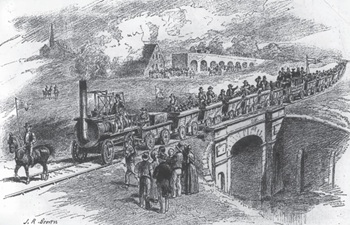
Heritage interests and operational requirements must be balanced.
Historic England publishes research into embodied carbon when retrofitting traditional buildings.

New Prime Minister delivers on ECA call for cut in electricity costs.

CIOB reacts to the announcement of Andy Burnham as Prime Minister.

Heritage and conservation science workforce survey - Have your say.

England's Suburbs 1820-2020. Book review.

New, more proportionate and targeted approach for higher-risk building assessments.

Government brings British Steel into public ownership.

UKCW Birmingham returns with bold new theme and focus.

New guidance published on competence requirements for self-certification schemes.
Construction Management, 8 July

NEETs crisis drives interest in trades, but apprenticeships barriers remain.