





Street furniture

Contents |
[edit] Introduction
The term ‘street furniture’ is the collective name used for all furniture, fittings and objects in the external areas of buildings, landscapes and streets. Its main purpose is functionality but it can also contribute to the aesthetics and identity of a building or space.
Street furniture can be categorised as:
- Public utilisation.
- Highways.
- Communication.
[edit] Public utilisation
This might include:
- Seating.
- Bollards and lamps.
- Bins.
- Trees and planters.
- Drinking fountains.
- Cycle accessories.
- Decorative features.
Public utilisation street furniture can be more than just a place to sit. A well-designed layout can create an attractive rest and waiting area. Street furniture can enable interaction between communities and encourage people to stay and experience an area. Cycle shelters and stands can encourage an active lifestyle. Bollards and lighting contribute towards safety. Street furniture can also be used to maintain order and tidiness and even to prevent certain behaviour. For more information see: Hostile architecture.
A local authority may have their own rules and styles for street furniture and this should be taken into consideration during the design phase of developments with external space. This might include a requirement for cycle shelters or benching and seating requirements in landscaped areas.
As well as serving a practical purpose, street furniture can create a sense of identity and contribute to a return of investment by creating a pleasant visitor experience. The correct specification and design of street furniture can also contribute to the sustainability of a building project. For example, BREEAM compliance can be factored into the design of a project and this will may affect the selection and design of street furniture.
[edit] Highways
Highways street furniture might include:
- Traffic signage and signals.
- Shelters.
- Street lighting.
- Bollards.
- Cycle accessories.
The Highways Act 1980 governs the requirement for street furniture in public roads, pathways and streets. Street furniture in these areas can serve practical and health and safety purposes. The design and installation of street furniture in these areas should comply with the highway authorities’ standards and requirements. Application to alter areas that fall within the boundary of the Highways Act, need to be made long in advance of the works taking place and this will have to be taken into consideration in the program.
[edit] Communication
Communications street furniture might include:
- Telephone boxes.
- Post boxes.
- Internet access devices and charging outlets.
- Broadband and phone cabinets.
- Mobile phone masts.
- Advertisement boards and screens.
The local authority in the area may specify and regulate the requirements for communication-related street furniture. For example, the requirement might be implemented in planning conditions for a new development.
The significance of communications street furniture can be seen in London, where red phone boxes have formed an iconic part of the identity of the city, even given the lack of a current requirement for public phones because of advances in mobile technology.
[edit] Construction and materials
There are numerous suppliers of street furniture in the UK that can offer a selection of pre-manufactured items. Designers might also specify bespoke furniture that can be constructed on site or outsourced for custom manufacturing.
There is a need in the current market for sustainable products and street furniture with more resilience and an extended life. This includes vandal-proof or vandal-resistant features. To contribute to sustainability, street furniture can be made from recycled plastic, or timber sourced from FSC certified forests.
[edit] Related articles on Designing Buildings Wiki
Featured articles
Check out some of the best features and news from Designing Buildings as well as key stories from around the web.

New and updated CLC building safety guidance.
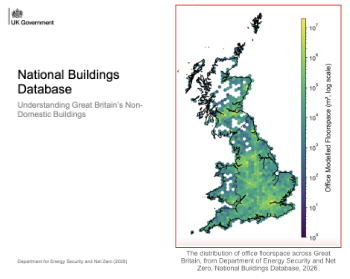
New UK National Buildings Database.
Building Safety Wiki Interviews

Chief executive of the British Woodworking Federation.
Planning condition discharge in England and Wales

A brief explanation from a building compliance expert, with further links.
Overheating guidance and tools for building designers

Guidance for dealing with element of building fabric control that have increasing importance.
Shading for housing, a design guide

From the Good Homes Alliance and British Blind and Shutter Association.
UK Standard Skills Classification (SSC)

A shared framework for describing skills needs.
Social media ban consultation comes to close

CIOB urges UK Government to consider social media’s role in careers guidance in ban debate.
The latest of eight Skills England apprenticeship units

The addition of battery manufacturing welcomed by ECA with a warning about the risks of fast-tracked apprenticeship units.
Building Control Independent Panel final report
A precis of a key report led by Dame Hackitt with full recommendations and link to the government response.
Building Safety recap April, 2026

A short and longer run-through of the month, with links to further information and sources.