





Self-build home: Appoint a range of contractors and suppliers to construct the home

Introduction.
Where a self builder intends to co-ordinate the purchase of goods, materials and labour themselves, they may benefit from the services of a project manager or construction manager. This method of procurement carries with it the greatest risk in terms of keeping to budget and programme because responsibility is fragmented among many parties. The biggest challenge is sequencing the work in a way that minimises return visits and potential disruption. Problems of synchronisation can result in delays and claims for non-productive time.
Production information should be divided into trade 'packages' to obtain prices from individual contractors and suppliers.
When deciding how to divide the works into separate trade packages, the interfaces between packages must be carefully considered and constantly monitored. Elements can fall between packages (for example the flashing to a rainwater outlet). Responsibility and consequent liability for each element of the works must be clearly defined.
It is normal to get quotes from more than one supplier or contractor for each package of work.
Contractors and suppliers might be identified by:
- Advertising.
- Research.
- Recommendation.
- Existing relationships.
- During the design process.
Discussing the works with suppliers and contractors during the design process, before appointing them, can help identify those that are most helpful and can also highlight potential problems. Contractors and suppliers might also be able to suggest alternative approaches based on their experience.
Discounts may be available from suppliers, particularly for large orders (this may make it worth buying a range of items from a single supplier), or by registering with organisations such as the self-build portal to benefit from group discounts. See Self-build homes negotiating discounts for more information.
When appointing contractors and purchasing goods and materials, it is important to be properly organised, with files for:
- Requests for quotations.
- Submitted proposals and prices.
- Orders.
- Confirmation of orders, prices and delivery.
- Delivery receipts.
- Invoices (separating the VAT element on the direct purchase of materials).
- Accompanying product literature such as; assembly instructions, operating manuals, spares and consumables information, maintenance and repair depots.
- A ledger recording all payments and financial commitments.
- Receipts of payment.
Other issues to address when obtaining quotations and placing orders include:
- Allowing for cutting and wastage.
- Purchasing spares and consumables to take full advantage of purchasing power.
- Obtaining warranties wherever possible.
- Obtaining servicing and maintenance quotes at the same time to take advantage of competitive leverage. This might include; boiler plant, heat exchangers, security systems, sewage treatment systems, automatic gate systems, garden maintenance and so on.
NB Self-build homes and the conversion of non-residential buildings into dwellings may qualify to reclaim VAT paid on eligible building materials and services. See VAT refunds on self-build homes for more information.
NB Self-build clients are ‘domestic clients’ for the purposes of the Construction (Design and Management) Regulations (health and safety regulations generally referred to as the 'CDM Regulations'), and so the client's duties under the regulations will generally fall to the contractor on a project where there is only one contractor or to the principal contractor on a project where there is more than one contractor. However self-build clients can attract health and safety duties under Part 4 of the Regulations if they control the way in which construction work is carried out. See CDM for self-builders and domestic clients for more information.
Featured articles and news
Costs and insolvencies mount for SMEs, despite growth

Construction sector under insolvency and wage bill pressure in part linked to National Insurance, says report.
The place for vitrified clay pipes in modern infrastructure
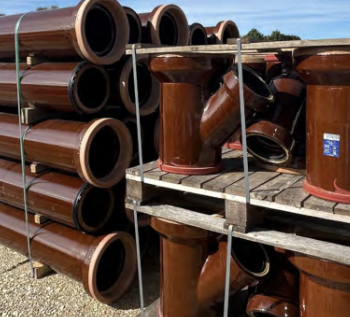
Why vitrified clay pipes are reclaiming their role in built projects.

Research by construction PR consultancy LMC published.
Roles and responsibilities of domestic clients

ACA Safety in Construction guide for domestic clients.
Fire door compliance in UK commercial buildings

Architect and manufacturer gives their low down.
Plumbing and heating for sustainability in new properties

Technical Engineer runs through changes in regulations, innovations in materials, and product systems.
Awareness of the Carbon Border Adjustment Mechanism
What CBAM is and what to do about it.
The new towns and strategic environmental assessments

12 locations of the New Towns Taskforce reduced to 7 within the new towns draft programme and open consultation.

Buildings that changed the future of architecture. Book review.
The Sustainability Pathfinder© Handbook
Built environment agency launches free Pathfinder© tool to help businesses progress sustainability strategies.

Government outcome to the late payment consultation, ECA reacts.
IHBC 2025 Gus Astley Student Award winners

Work on the role of hewing in UK historic conservation a win for Jack Parker of Oxford Brookes University.
Future Homes Building Standards and plug-in solar
Parts F and L amendments, the availability of solar panels and industry responses.
How later living housing can help solve the housing crisis

Unlocking homes, unlocking lives.
Preparing safety case reports for HRBs under the BSA
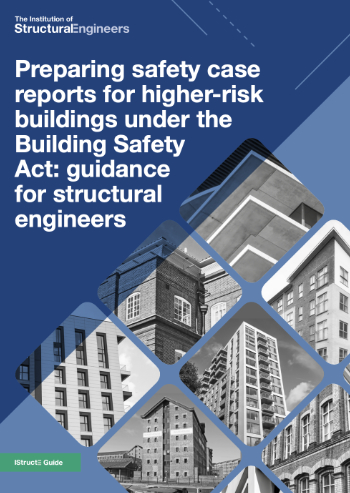
A new practical guide to preparing structural inputs for safety cases and safety case reports published by IStructE.
Male construction workers and prostate cancer

CIOB and Prostate Cancer UK encourage awareness of prostate cancer risks, and what to do about it.