





Right to acquire
The 1996 Housing Act introduced the Right to Acquire. This is a statutory right for housing association tenants to acquire their homes at a discounted price from the open market value. The right is applied to eligible tenants living in eligible properties. A tenant can buy their home with a joint tenant or with up to 3 family members who have lived in that property for the past 12 months.
The Right to Acquire operates in the similar way as the Right to Buy, subject to the following important differences:
- Housing associations can sell an alternative property to tenants.
- The Right to Acquire discount is a flat rate, so it does not change depending on the number of years a person has been a housing association tenant.
- The discount offered is less generous than that under the Right to Buy scheme.
- There is no preserved Right to Acquire.
A person can apply if they have had a public sector landlord for 5 years. These landlords include:
- Housing associations.
- Councils.
- The armed services.
- NHS trusts and foundation trusts.
To qualify, a person must have been a housing association tenant for a total of at least:
- 5 years if the tenancy started on or after 18 January 2005.
- 2 years if the tenancy started before 18 January 2005.
The property must have been:
- Built or bought by a housing association after 31 March 1997 and funded through a social housing grant provided by the Housing Corporation or a local council.
- Transferred from a local council to a housing association after 31 March 1997.
The home a tenant wishes to purchase must be:
A tenant will not be eligible to claim the Right to Acquire if they are:
- An undischarged bankrupt.
- The subject of a possession order served by court.
- Subject to a formal creditors agreement.
Right to Acquire discounts are fixed for each area by the UK government. The discounts usually vary from £9,000 to £16,000 depending on where the tenant lives. The maximum discount available is 50% off the market value.
To apply, a tenant contacts their landlord for the Right to Acquire claim form (RTA 1). The landlord has 4 weeks to reply to the application. Landlords will then send the offer; tenants can appeal within 3 months. If the tenant wants to proceed, a mortgage can be obtained and legal representatives are contacted. The final purchase should be completed within 3 months of receiving the offer notice.
Under the Act, 800,000 housing association tenants have the ‘right to acquire’ their homes, but in 2015, the government proposed extending the Right to Acquire scheme to a further 500,000 housing association tenants and giving them the same discount as council housing tenants under the Right to Buy scheme. In September 2015, the National Housing Federation proposed an alternative voluntary scheme for housing associations, which communities secretary Greg Clark accepted, on the condition that the sector agree the proposals within a week of the announcement. Agreement was confirmed in David Cameron's speech to the Conservative Party Conference in October 2015. See Right to buy extended to housing association tenants for more information.
[edit] Related articles on Designing Buildings Wiki
- 100 years of council housing.
- Affordable housing.
- Affordable rented housing.
- Asset of community value.
- Community right to bid.
- Community right to build.
- Community right to reclaim land.
- Help to buy.
- Housing associations.
- Housing tenure.
- Intermediate housing.
- Localism act.
- Neighbourhood planning.
- Real Estate Investment Trusts.
- Right to buy manifesto pledge.
- Rent to buy.
- Right to buy.
- Right to buy extended to housing association tenants.
- Right to contest.
- Right to rent.
- Social housing.
- Social rented housing.
Featured articles
Check out some of the best features and news from Designing Buildings as well as key stories from around the web.
Bridging the gap between clients and contractors

Concerns remain around contractor quality, capability, and delivery.
Construction Management, 10 June.

Heat pumps beat boilers in new home tests.
Building Safety Act implementation in Wales

CIAT to host industry panel on 26 June.
New and updated CLC building safety guidance.
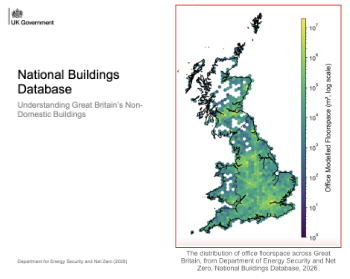
New UK National Buildings Database.
Building Safety Wiki Interviews

Chief executive of the British Woodworking Federation.
Planning condition discharge in England and Wales

A brief explanation from a building compliance expert, with further links.
Overheating guidance and tools for building designers

Guidance for dealing with element of building fabric control that have increasing importance.
Shading for housing, a design guide

From the Good Homes Alliance and British Blind and Shutter Association.
UK Standard Skills Classification (SSC)

A shared framework for describing skills needs.
Social media ban consultation comes to close

CIOB urges UK Government to consider social media’s role in careers guidance in ban debate.