





Recording dayworks
Contents |
[edit] Introduction
Daywork is a means by which a contractor is paid for instructed work based on the cost of labour, materials and plant plus a markup for overheads and profit. It is generally used when work cannot be valued in the normal way. For example, daywork might be instructed when there are no comparative rates in a bill of quantities and a pro-rata method of pricing cannot be used. This method of pricing can be open to exploitation, so it is advisable to put monitoring and controlling procedures in place.
[edit] Recording dayworks
Contractors will usually have a template or daywork sheet to capture labour hours, materials and plant. Dayworks can either be, percentage addition or all-inclusive rates. With all-inclusive dayworks a pre-established schedule of rates submitted at tender is used to price the daywork.
A typical daywork sheet might contain the following:
- Project details.
- Instructions issued by the client or site instructions.
- Date (some contractors capture a week's work on a daywork sheet).
- Description of the dayworks.
- Details of labour, including workers' names and hours worked.
- Details of all materials used.
- Details of all plant used.
- Add on costs – profit and overhead.
- Signature area for the contractor’s representative.
- Signature area for the client’s representative.
The client’s team on-site should monitor the daywork. If a clerk of works is part of the client team, monitoring dayworks will typically be their duty. They will verify the hours captured and plant and materials used and sign off the daywork sheet. Their signature will only verify the data captured on-site and not that the daywork sheet is a valid claim for the final account.
[edit] Conclusion
Daywork instructions can be a contentious issue in the industry, and programme pressures can affect the clarity of works instructed. Clear communication between the contractor and the client’s team is vital to minimise disputes, including clear instructions relating to time scales and procedures that must be followed.
[edit] Related articles on Designing Buildings
- Abortive work in building design and construction.
- Architect's instruction.
- Change order for construction contracts.
- Construction contract.
- Change control procedure for building design and construction.
- Compensation event.
- Bill of quantities BOQ.
- Confirmation of verbal instruction.
- Dayworks in construction.
- Payment for extra work.
- Valuation.
- Valuation of interim payments.
Featured articles
Check out some of the best features and news from Designing Buildings as well as key stories from around the web.

New and updated CLC building safety guidance.
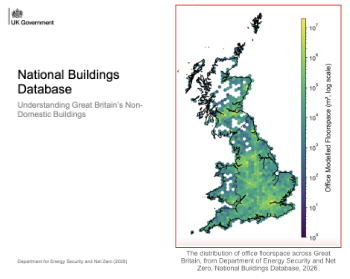
New UK National Buildings Database.
Building Safety Wiki Interviews

Chief executive of the British Woodworking Federation.
Planning condition discharge in England and Wales

A brief explanation from a building compliance expert, with further links.
Overheating guidance and tools for building designers

Guidance for dealing with element of building fabric control that have increasing importance.
Shading for housing, a design guide

From the Good Homes Alliance and British Blind and Shutter Association.
UK Standard Skills Classification (SSC)

A shared framework for describing skills needs.
Social media ban consultation comes to close

CIOB urges UK Government to consider social media’s role in careers guidance in ban debate.
The latest of eight Skills England apprenticeship units

The addition of battery manufacturing welcomed by ECA with a warning about the risks of fast-tracked apprenticeship units.
Building Control Independent Panel final report

A precis of a key report led by Dame Hackitt with full recommendations and link to the government response.
Building Safety recap April, 2026

A short and longer run-through of the month, with links to further information and sources.