





Interior Doors Market Trends
According to a new research report, the global interior doors market size was valued at $49,847 million in 2016, and is projected to reach at $74,967 million by 2023, growing at a CAGR of 6.1%. The swinging doors segment accounted for the largest share of global interior doors market revenue in 2016, and is expected to grow at a CAGR of 5.8% during the forecast period.
The demand for interior doors is driven by a surge in residential and non-residential construction, development of energy-efficient doors, and a surge in home improvement and remodelling.
Doors are manufactured using materials such as wood, metal, glass, fiberglass, fiberboard, vinyl, and others. The fiberboard segment is expected to see higher growth compared to glass, metal, and wood, due to its lower cost and beneficial properties. The residential segment is also expected to grow at a relatively higher rate during the forecast period. The developed regions, such as the U.S. and Western Europe, showed greater penetration of residential over non-residential construction due to a recovery in housing construction market. In addition, an increase in demand for non-residential construction, namely, lodging and commercial in the U.S. and office and retail in Western Europe is expected to boost growth. Furthermore, rapid industrialisation and urbanisation, a rise in population, and a surge in disposable income will propel growth.
The panel doors segment accounted for the highest market share in 2016, and is will maintain its dominance during the forecast period. The bypass doors segment is anticipated to grow at the highest growth rate, owing to the need for compact doors requiring less space to open. Moreover, a rise in consumer expenditure for renovation of homes and interiors and growth in new construction activities are expected to provide new opportunities for the market development.
The wood segment accounted for over 50% of the total interior doors market, owing to high dimensional stability and durability, resistance to chemicals, thermal insulation properties, high strength, strong aesthetics, and enhanced utility. Fiberboard and vinyl are expected to see increased usage and the highest growth rate in light commercial and institutional applications.
The swinging doors segment is anticipated to dominate the market throughout the forecast period, owing to increased adoption of hinged doors. The revolving and others doors segment is expected to grow at the highest CAGR of 7.8% in the interior doors market due to an increase in demand for space-efficient homes.
In 2016, the residential segment witnessed the highest growth rate in the market. The majority of the growth is expected in the emerging regions of Asia-Pacific and Africa. The residential segment is driven by the economic recovery in U.S. and Europe, a rise in living standards, an increase in disposable income, and growth in awareness related to the availability of energy-efficient and eco-friendly interior doors.
Asia-Pacific accounted for over 50% of the market share, and is anticipated to maintain its dominance during the forecast period.
Market players have focused on expanding their business operations in emerging countries by adopting various strategies such as, acquisitions and contracts/agreements. The major players profiled in the global interior doors market include Artisan Hardware, Bayer Built WoodWorks Inc., Chaparral Doors, Colonial Elegance Inc., Concept SGA., Contractors Wadrobe, Jeld-Wen Holding Inc., Masonite International Corporation, Rustica Hardware, and Simpson Door Company.
[edit] Find out more
[edit] Related articles on Designing Buildings Wiki
Featured articles and news
Costs and insolvencies mount for SMEs, despite growth

Construction sector under insolvency and wage bill pressure in part linked to National Insurance, says report.
The place for vitrified clay pipes in modern infrastructure

Why vitrified clay pipes are reclaiming their role in built projects.
Research by construction PR consultancy LMC published.
Roles and responsibilities of domestic clients

ACA Safety in Construction guide for domestic clients.
Fire door compliance in UK commercial buildings

Architect and manufacturer gives their low down.
Plumbing and heating for sustainability in new properties
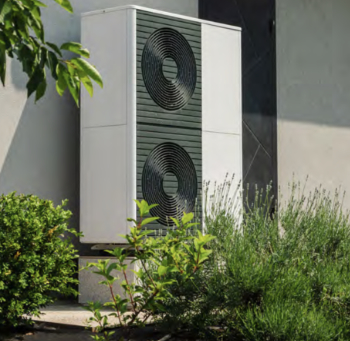
Technical Engineer runs through changes in regulations, innovations in materials, and product systems.
Awareness of the Carbon Border Adjustment Mechanism
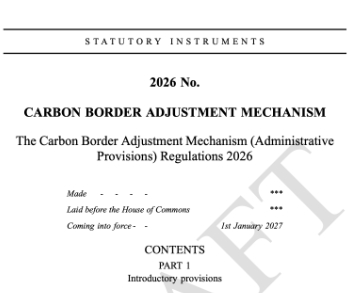
What CBAM is and what to do about it.
The new towns and strategic environmental assessments

12 locations of the New Towns Taskforce reduced to 7 within the new towns draft programme and open consultation.

Buildings that changed the future of architecture. Book review.
The Sustainability Pathfinder© Handbook
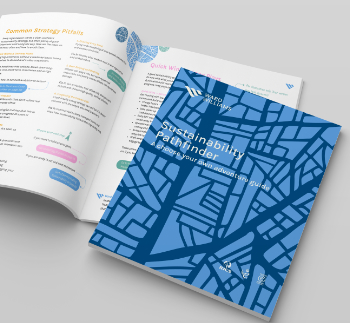
Built environment agency launches free Pathfinder© tool to help businesses progress sustainability strategies.

Government outcome to the late payment consultation, ECA reacts.
IHBC 2025 Gus Astley Student Award winners

Work on the role of hewing in UK historic conservation a win for Jack Parker of Oxford Brookes University.
Future Homes Building Standards and plug-in solar

Parts F and L amendments, the availability of solar panels and industry responses.
How later living housing can help solve the housing crisis
Unlocking homes, unlocking lives.
Preparing safety case reports for HRBs under the BSA

A new practical guide to preparing structural inputs for safety cases and safety case reports published by IStructE.
Male construction workers and prostate cancer

CIOB and Prostate Cancer UK encourage awareness of prostate cancer risks, and what to do about it.