





How to Choose the Right Waterproofing System
[edit] Expert Tips to Select the Best Waterproofing Solution
Water damage is one of the most common yet costly problems in buildings. From roof leakage and wall dampness to foundation seepage, improper waterproofing can compromise both structural durability and occupant safety.
Choosing the right waterproofing system is not just about selecting a product it requires understanding structural behavior, exposure conditions, and material compatibility.
This expert guide explains how to select the most effective waterproofing solution based on technical factors, ensuring long-term protection and performance.
[edit] Understanding Waterproofing Systems
A waterproofing system is a combination of materials and application techniques designed to prevent water ingress into structural elements such as roofs, basements, walls, and terraces.
[edit] Common Types of Waterproofing Systems
- Liquid-applied membranes
- Cementitious waterproofing
- Bituminous membranes
- Polyurethane (PU) systems
- Acrylic coatings
- Crystalline waterproofing
Each system performs differently depending on environmental exposure, substrate condition, and structural movement.
[edit] Key Factors to Consider When Choosing Waterproofing
[edit] 1. Identify the Source of Water Exposure
Start by evaluating where and how water affects the structure:
- Roofs/Terraces → Direct rain exposure
- Basements → Hydrostatic pressure
- Bathrooms → Internal moisture
- External Walls → Capillary absorption
Selecting the wrong system for the exposure condition often leads to premature failure.
[edit] 2. Assess the Type of Structure
Different structures require different waterproofing approaches:
- RCC slabs → Flexible membrane systems
- Brick masonry → Cementitious coatings
- Foundations → Bituminous or crystalline systems
Structural movement, load conditions, and material composition directly influence system selection.
[edit] 3. Evaluate Crack Conditions
Cracks are the primary entry points for water.
- Hairline cracks → Acrylic or cementitious coatings
- Active cracks → Polyurethane or elastomeric systems
- Structural cracks → Epoxy injection + membrane protection
Ignoring crack behavior can render even the best waterproofing ineffective.
[edit] 4. Consider Flexibility and Elasticity
Structures expand and contract due to temperature changes. Waterproofing materials must accommodate this movement.
- High flexibility → PU and acrylic systems
- Low flexibility → Cementitious coatings
For roofs and terraces, flexible systems are generally preferred.
[edit] 5. Check Durability and Life Expectancy
A good waterproofing system should offer long-term performance:
- Acrylic coatings → 3-5 years
- PU systems → 5-10 years
- Bituminous membranes → 7-12 years
- Crystalline systems → Long-term internal protection
Lifecycle cost is more important than initial cost.
[edit] 6. Surface Preparation Requirements
Even the best waterproofing fails without proper surface preparation.
Ensure:
- Clean substrate
- Removal of loose particles
- Crack filling before application
- Proper slope for drainage
Surface preparation contributes up to 60% of waterproofing success.
[edit] 7. Application Method and Skill Requirement
Some systems require skilled application:
- PU systems → Skilled labor mandatory
- Bituminous membranes → Torch application
- Cementitious coatings → Easier application
Improper application is a major cause of waterproofing failure.
[edit] 8. Environmental and Weather Conditions
Climate plays a crucial role in system selection:
- High rainfall → Seamless membrane systems
- Hot climates → UV-resistant coatings
- Coastal areas → Salt-resistant systems
Choose materials that can withstand local environmental conditions.
[edit] 9. Budget vs Performance Balance
Low-cost solutions may lead to repeated repairs.
A better approach:
- Compare lifecycle cost
- Consider maintenance frequency
- Prioritize performance over price
Investing in a high-quality system reduces long-term expenses.
[edit] Best Waterproofing Systems for Different Areas
[edit] Roof Waterproofing
- Polyurethane liquid membrane
- Acrylic elastomeric coating
[edit] Basement Waterproofing
- Crystalline waterproofing
- Bituminous membrane
[edit] Bathroom Waterproofing
- Cementitious coating
- Liquid membrane
[edit] External Wall Waterproofing
[edit] 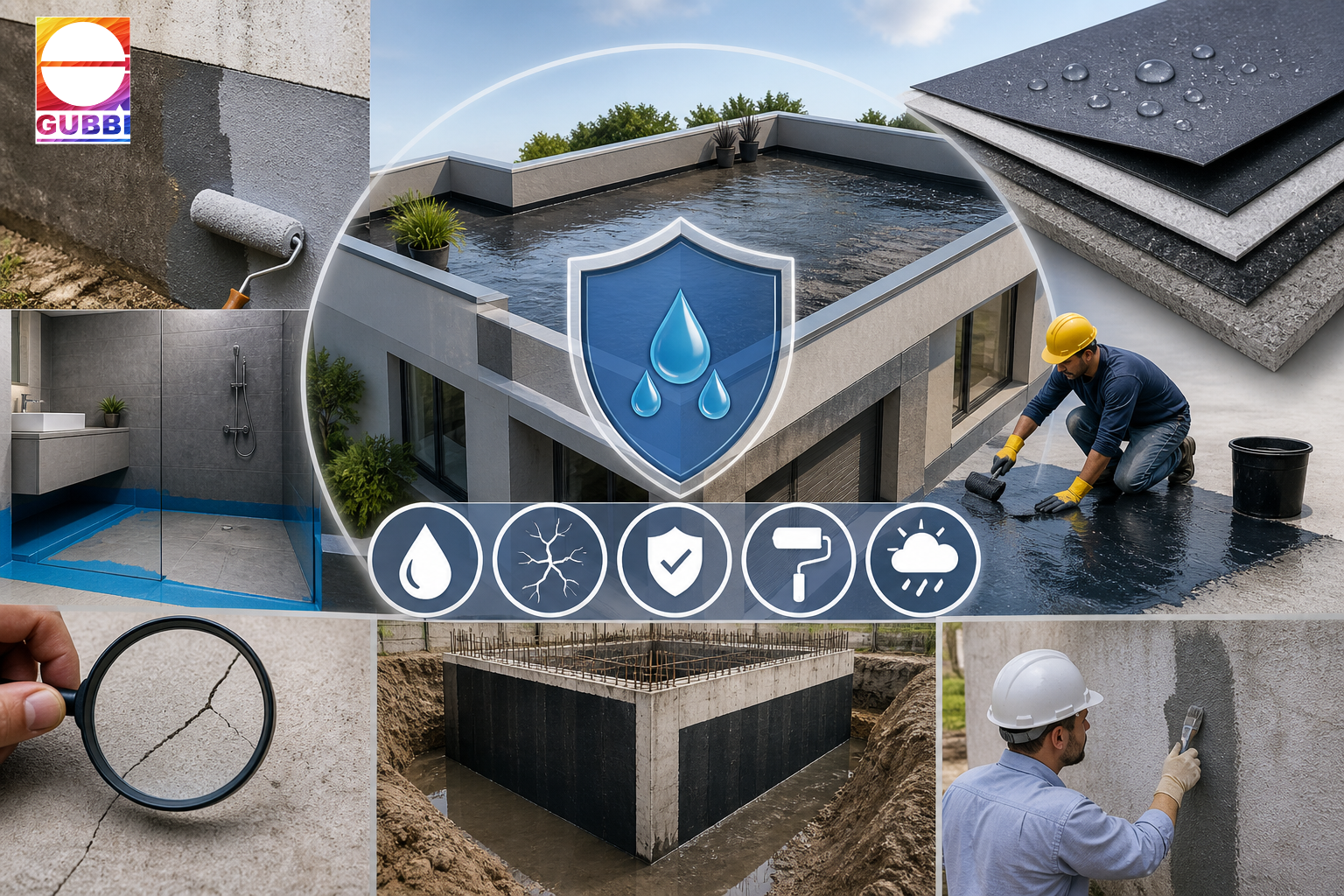
[edit] Common Mistakes to Avoid
- Choosing product based only on price
- Ignoring crack repair before application
- Poor surface preparation
- Using rigid systems on flexible surfaces
- Hiring unskilled applicators
Avoiding these mistakes significantly improves waterproofing performance.
[edit] Why Professional Assessment Matters
Waterproofing is a technical process requiring proper diagnosis and system selection. A professional civil engineering evaluation ensures:
- Accurate identification of leakage source
- Selection of compatible materials
- Proper application methodology
- Long-term durability
[edit] FAQs
[edit] What factors influence waterproofing system selection?
Exposure conditions, structural type, crack behavior, and environmental factors are key considerations.
[edit] Which waterproofing system is best for roofs?
Polyurethane and acrylic elastomeric coatings are widely used for roof waterproofing.
[edit] How long does waterproofing last?
Depending on the system, waterproofing can last from 3 to 12 years or more.
[edit] Is waterproofing necessary for new buildings?
Waterproofing is essential in both new and existing structures to prevent future damage.
[edit] Conclusion
Choosing the right waterproofing system is a critical decision that directly impacts the durability and safety of a structure. By evaluating exposure conditions, structural type, crack behavior, and environmental factors, you can select a system that delivers reliable and long-lasting protection.
A well-designed waterproofing solution not only prevents water ingress but also enhances the lifespan and value of the building.
Featured articles
Check out some of the best features and news from Designing Buildings as well as key stories from around the web.

Updated supplier guide can help electrical contractors engage with NHP.

CIAT confirm the winners of the 2026 architectural technology awards.

Government launches a one stop shop for flood preparedness.

Sir Edwin Lutyens: Britain's greatest architect? Book review.

CIOB publishes free template to help assess and manage risks.
ECA's reflections on Party Conference season

Burnham wants to be confident of winning before asking for a fresh mandate.
New Chief Construction and Scientific Adviser

Sergio Cavalaro, Professor of Infrastructure Systems at Loughborough University.
Building safety levy for England

CIAT publish estimator tool for members.

Water sector faces a growing crisis that could slow the delivery of vital infrastructure.
Undervaluing our industrial past

Heritage value changes as taste for building styles changes.
Changing expectations around competence and compliance

New information sheet from CIAT.
Grenfell investigation files passed to CPS

Angela Rayner apologises on behalf of the British state.