





How to Choose Chips Fryers for Busy Restaurant Use
Contents |
[edit] File:Restaurant k
[edit] Introduction
Reliable chips fryers are one of the most important pieces of equipment in any busy restaurant, café, takeaway, or catering business. The quality of fried food often depends on the performance and efficiency of the fryer being used. Choosing the right chips fryer can improve food quality, increase kitchen productivity, reduce operating costs, and help staff meet customer demand during peak service hours. With many models available, selecting the most suitable fryer requires careful consideration of capacity, efficiency, durability, and safety features. Understanding the key factors involved can help restaurant owners make a practical investment that supports long-term business success.
[edit] Consider the Required Cooking Capacity
One of the first factors to evaluate is the amount of food the fryer will need to produce during busy periods. Restaurants that serve large numbers of customers require equipment capable of handling continuous use without compromising food quality.
A fryer with insufficient capacity can create delays in service and increase waiting times for customers. On the other hand, an oversized fryer may consume unnecessary energy and increase operating expenses. Choosing a model that matches expected demand helps ensure efficient kitchen operations while maintaining consistent food output throughout the day.
[edit] Choose Between Gas and Electric Models
Commercial chips fryers are commonly available in gas and electric versions. Each option offers different advantages depending on the restaurant's requirements and kitchen setup.
Gas fryers often heat quickly and can be highly efficient in high-volume environments. They are frequently preferred by businesses that need rapid recovery times between cooking batches. Electric fryers, however, can provide precise temperature control and are often easier to install where gas connections are unavailable. Understanding the needs of the kitchen can help determine which option offers the greatest benefits.
[edit] Evaluate Recovery Time and Performance
Recovery time refers to how quickly a fryer returns to its desired cooking temperature after food has been added. In busy restaurants, this feature is particularly important because frequent cooking can cause oil temperatures to drop.
A fryer with fast recovery capabilities maintains consistent cooking temperatures, producing evenly cooked chips with a crisp texture. Slow recovery can result in lower food quality and longer preparation times. Investing in a high-performance fryer helps maintain efficiency during the busiest service periods.
[edit] Prioritise Energy Efficiency
Energy costs represent a significant expense for many food service businesses. Selecting an energy-efficient fryer can help reduce operating costs while supporting environmental sustainability.
Modern commercial fryers often include advanced insulation, efficient heating systems, and energy-saving technology. These features minimise heat loss and improve overall efficiency. Although energy-efficient models may require a higher initial investment, they often generate long-term savings through reduced utility bills and lower energy consumption.
[edit] Assess Cleaning and Maintenance Requirements
Regular cleaning is essential for maintaining food quality, extending equipment lifespan, and complying with hygiene regulations. Fryers that are difficult to clean can increase labour requirements and reduce operational efficiency.
Restaurant owners should look for models with removable components, accessible oil tanks, and user-friendly cleaning systems. Some commercial fryers also include built-in filtration systems that help extend oil life and simplify maintenance. Easier cleaning procedures save valuable time and contribute to a cleaner kitchen environment.
[edit] Look for Strong Safety Features
Busy commercial kitchens can present various safety risks, particularly when working with hot oil. Choosing a fryer with appropriate safety features helps protect staff and reduce the likelihood of accidents.
Important safety features may include temperature controls, automatic shut-off systems, splash guards, and secure drainage mechanisms. These functions help minimise risks associated with overheating and oil handling. Prioritising safety not only protects employees but also contributes to smoother and more reliable kitchen operations.
[edit] Consider Durability and Build Quality
Commercial fryers often operate for many hours each day, making durability an essential consideration. Equipment that cannot withstand heavy use may require frequent repairs or replacement.
High-quality stainless-steel construction is commonly preferred because it offers strength, corrosion resistance, and ease of cleaning. Investing in a durable fryer can reduce maintenance costs and provide greater reliability over time. Businesses should consider equipment designed specifically for commercial use rather than lighter-duty alternatives.
[edit] Conclusion
Choosing the right chips fryer for a busy restaurant requires careful evaluation of capacity, fuel type, recovery performance, energy efficiency, maintenance requirements, safety features, and durability. The ideal fryer should support high-volume production while maintaining consistent food quality and operational efficiency. By selecting equipment that aligns with the restaurant's needs, business owners can improve productivity, control costs, and enhance customer satisfaction. A well-chosen chips fryer is not simply a kitchen appliance but a valuable investment that contributes to the long-term success of any food service operation.
Featured articles
Check out some of the best features and news from Designing Buildings as well as key stories from around the web.
Passive fire protection webinar

MEP services penetration seals.

Where its at podcast (and video) - The role of the Architectural Technologist as an Expert Witness.

More than 200 remarkable buildings added to SAVE’s Buildings at Risk register.

Government scraps pre-application consultation for Nationally Significant Infrastructure Projects.
Historic England and infrastructure
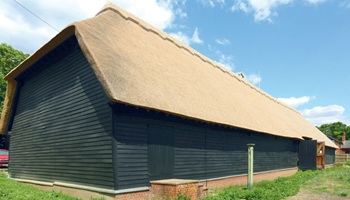
New projects offer opportunities for the historic environment and local communities.
Construction Management, 2 July

Construction deaths halve in two years.
Green Book changes to drive investment in all parts of UK.
Minimum energy efficiency standards (MEES)

CIAT briefing on response to consultations for privately rented non-domestic properties.
Connect, collaborate, shape the future

Registration now live for UK Construction Week Birmingham.

CIOB announces Saul Humphrey FCIOB as new President for 26/27 term.

A quick, simple, and zero-bills solution to prevent overheating.
The adaptive reuse of large industrial structures.
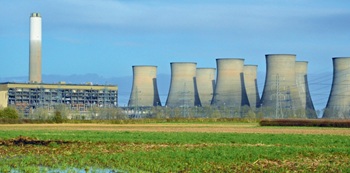
Promoting the circular economy by extending the life of buildings.