





Halley VI Research Station

In December 2016, the British Antarctic Survey (BAS) announced that due to a growing crack in the ice shelf, its Halley VI Research Station is to be moved. The station, which has a re-locatable design, is to be moved 23 km further inland. This is the first time it has had to move since it was towed into position on the Brunt Ice Shelf in 2012.
The station is crucial for studying globally important issues such as climate change and atmospheric phenomena. It is made up of eight modules which sit on skis. Each module is capable of being de-coupled from the others and towed by tractors across the ice. The station is designed and built to withstand extreme winter weather, to maintain excellent laboratory conditions, to provide accommodation, and is raised up to stay above the snow.

The crack in the ice has been growing for more than two years, with the tip moving gradually upstream of the station. It will take several years to cut the station off from the inland portion of the ice shelf if it continues to grow at its current rate, giving BAS time to relocate the station.
The relocation will be a slow process, with temporary camps being set up including containerised accommodation units for the relocation team. The relocation should be completed by 6 April 2018.

Tim Stockings, Director of Operations at BAS said:
“Halley was designed and engineered specifically to be re-located in response to changes in the ice. Over the last couple of years our operational teams have been meticulous in developing very detailed plans for the move and we are excited by the challenge.
“Antarctica can be a very hostile environment. Each summer season is very short – about 9 weeks. And because the ice and the weather are unpredictable we have to be flexible in our approach. We are especially keen to minimise the disruption to the science programmes. We have planned the move in stages – the science infrastructure that captures environmental data will remain in place while the stations modules move. ”
For more information, see British Antarctic Survey.
[edit] Find out more
[edit] Related articles on Designing Buildings Wiki
Featured articles and news
Costs and insolvencies mount for SMEs, despite growth
Construction sector under insolvency and wage bill pressure in part linked to National Insurance, says report.
The place for vitrified clay pipes in modern infrastructure
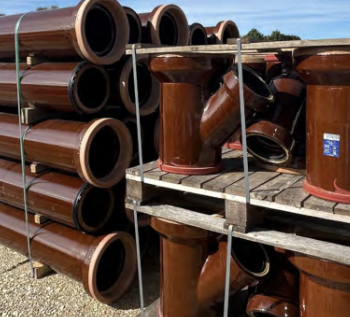
Why vitrified clay pipes are reclaiming their role in built projects.

Research by construction PR consultancy LMC published.
Roles and responsibilities of domestic clients

ACA Safety in Construction guide for domestic clients.
Fire door compliance in UK commercial buildings

Architect and manufacturer gives their low down.
Plumbing and heating for sustainability in new properties
Technical Engineer runs through changes in regulations, innovations in materials, and product systems.
Awareness of the Carbon Border Adjustment Mechanism
What CBAM is and what to do about it.
The new towns and strategic environmental assessments
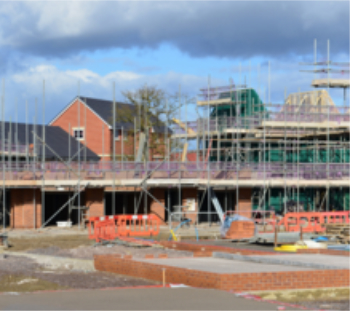
12 locations of the New Towns Taskforce reduced to 7 within the new towns draft programme and open consultation.
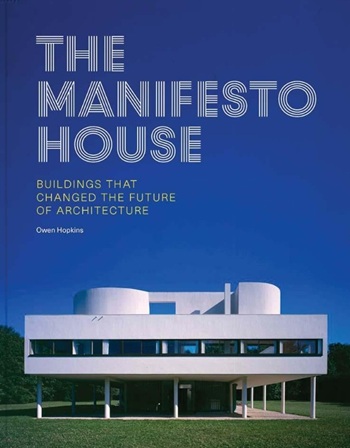
Buildings that changed the future of architecture. Book review.
The Sustainability Pathfinder© Handbook
Built environment agency launches free Pathfinder© tool to help businesses progress sustainability strategies.
Government outcome to the late payment consultation, ECA reacts.
IHBC 2025 Gus Astley Student Award winners
Work on the role of hewing in UK historic conservation a win for Jack Parker of Oxford Brookes University.
Future Homes Building Standards and plug-in solar
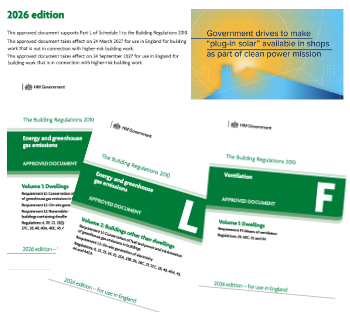
Parts F and L amendments, the availability of solar panels and industry responses.
How later living housing can help solve the housing crisis
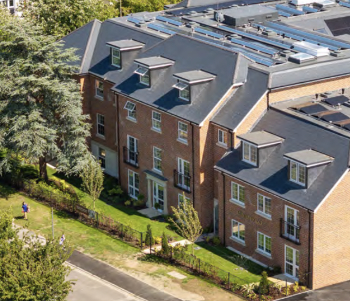
Unlocking homes, unlocking lives.
Preparing safety case reports for HRBs under the BSA
A new practical guide to preparing structural inputs for safety cases and safety case reports published by IStructE.
Male construction workers and prostate cancer
CIOB and Prostate Cancer UK encourage awareness of prostate cancer risks, and what to do about it.