





Exclusion zone
An exclusion zone is a designated area on or around a construction site where access is restricted or prohibited to ensure safety and prevent accidents. These zones are critical for protecting workers, equipment, and the public from potential hazards associated with construction activities.
Exclusion zones are generally established as part of a site’s safety management plan to mitigate risks associated with construction activities, such as falling debris, heavy machinery operation, or hazardous materials. Only authorised personnel are allowed to enter exclusion zones. Exclusion zones are clearly marked with signs, barriers, or fencing to delineate the boundaries and inform workers and visitors of the restricted area.
Exclusion zones might be created:
- Where construction activities, such as digging, lifting, or demolition, are taking place.
- Surrounding heavy machinery to protect workers from moving parts and operational hazards.
- Around areas where hazardous materials are stored or used, to prevent exposure to harmful substances.
- Around high-voltage equipment to avoid electric shock risks.
The creation and management of exclusion zones is based on a thorough risk assessment, which identifies potential hazards and determines the necessary safety measures to protect individuals. Exclusion zones may be adjusted as the construction project progresses and as different phases of work introduce new hazards or remove existing ones.
Workers are trained on the importance of exclusion zones and the specific rules associated with them. Regular safety briefings help maintain awareness and compliance.
Establishing exclusion zones when using explosives in demolition, Construction Information Sheet No 45, published by the Health and Safety Executive (HSE) states in relation to an exclusion zone: ‘When designing for demolition using explosives you need to plan for the possible fly of projectiles. An exclusion zone should be established at a distance from and surrounding any structure which is being demolished using explosives. The zone needs to be designed and managed as part of the overall approach to the demolition. People outside the exclusion zone should be safe from the demolition work. Everyone, with the possible exception of the shotfirer, should be outside the exclusion zone at the time of the blast. If the shotfirer needs to remain within the zone, he or she should be in a safe position.’
An exclusion zone is built up from four areas:
Safety in the storage and handling of steel and other metal stock, second edition, published by the Health and Safety Executive (HSE) in August 2016, defines an exclusion zone as: ‘A clearly defined area around a vehicle being loaded or unloaded from which all pedestrians and unauthorised persons are excluded while (un)loading is taking place.’
[edit] Related articles on Designing Buildings
Featured articles
Check out some of the best features and news from Designing Buildings as well as key stories from around the web.

Confronting competency, codes, capacity and costs.
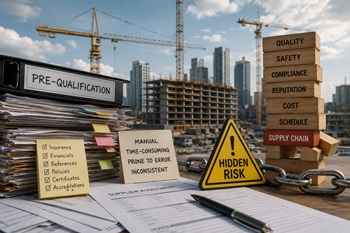
The hidden risk in modern construction supply chains.
Construction Management, 10 June

24 months to 14: CITB launches accelerated apprenticeships.
Bridging the gap between clients and contractors
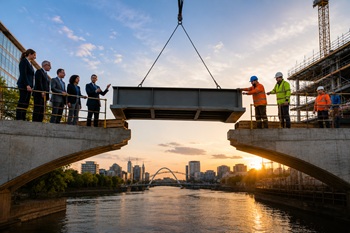
Concerns remain around contractor quality, capability, and delivery.
Construction Management, 10 June.
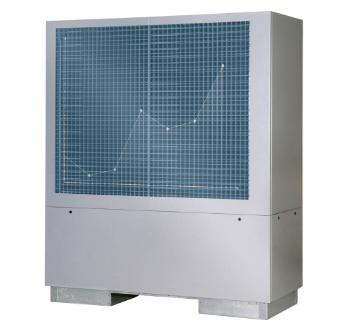
Heat pumps beat boilers in new home tests.
Building Safety Act implementation in Wales

CIAT to host industry panel on 26 June.

New and updated CLC building safety guidance.
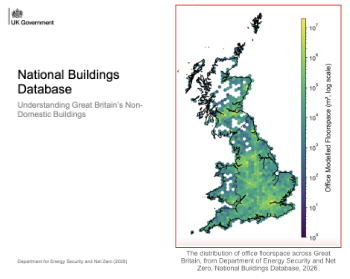
New UK National Buildings Database.
Building Safety Wiki Interviews

Chief executive of the British Woodworking Federation.
Planning condition discharge in England and Wales

A brief explanation from a building compliance expert, with further links.
Overheating guidance and tools for building designers

Guidance for dealing with element of building fabric control that have increasing importance.