





Environmental impact of biomaterials and biomass (FB 67)
BRE (Building Research Establishment) is an independent, research-based consultancy, testing and training organisation, operating in the built environment and associated industries.
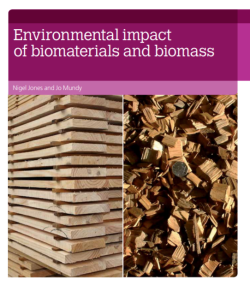
Environmental impact of biomaterials and biomass (FB 67) was written by Nigel Jones and Jo Mundy and published by BRE on 27 May 2014. It is part of a series that provides comparable information on windows, masonry and concrete, metals, floor finishes, cladding and insulation to assess the environmental impact of specific construction materials.
This 24-page report reviews how biomaterials and biomass have been assessed within The Green Guide to Specification (4th edition), including the application of the environmental profiles methodology. The way in which biomaterials and biomass are addressed within building-level environmental assessment schemes such as BREEAM and the Code for Sustainable Homes is also explained.
Within The Green Guide, biomaterials are classed as naturally-derived construction materials (ie those originating from plant or animal sources) providing both structural and non-structural functions within the building fabric. Biomass is a biological material used as a fuel.
The report gives manufacturers and specifiers a general understanding of the benefits and impacts of biomaterials and biomass over their life cycle and helps identify opportunities for improvements in their environmental performance.
It’s contents are:
- Glossary
- Introduction
- Sector overview
- Life cycle assessment, Environmental Profiles and The Green Guide
- Applying the updated Environmental Profiles methodology to biomaterials and biomass
- Key impacts and opportunities for the biomaterials and biomass sector
- Where more data are required
- Conclusions
- References
[edit] Related articles on Designing Buildings Wiki
- Biogas.
- Biomass.
- Biomaterial.
- BRE articles on Designing Buildings Wiki.
- BRE Buzz articles on Designing Buildings Wiki.
- BREEAM.
- Building Research Establishment.
- Code for sustainable homes.
- Environmental impact.
- Life cycle inventory.
- Sustainable materials.
- Timber.
- Types of fuel.
- Wood pellet mill basics.
Featured articles
Check out some of the best features and news from Designing Buildings as well as key stories from around the web.

The Building Safety Regulator announces a call for evidence.

Government approach could undermine delivery and regeneration.
World's first mass timber data centre.

The overlooked environmental aspect of data centre development.
Introduction to radon awareness

New technical information sheet published by CIOB.

Updated supplier guide can help electrical contractors engage with NHP.

CIAT confirm the winners of the 2026 architectural technology awards.

Government launches a one stop shop for flood preparedness.

Sir Edwin Lutyens: Britain's greatest architect? Book review.

CIOB publishes free template to help assess and manage risks.
ECA's reflections on Party Conference season

Burnham wants to be confident of winning before asking for a fresh mandate.
New Chief Construction and Scientific Adviser

Sergio Cavalaro, Professor of Infrastructure Systems at Loughborough University.
Building safety levy for England

CIAT publish estimator tool for members.