





Environment Act
The Environment Act, based on the Environment Bill originally published in July of 2018, then due to Brexit had its first reading not until January of 2020, with further delays for a year, the adjusted bill finally received royal assent on November 9 2021. The act is important because it replaces many aspects that were covered by European law prior to Brexit and that no longer apply to the UK. The general aims of the act remain being to reduce landfill, improve air and water quality, and protect wildlife, though there continues to be some criticism regarding its level of protection with Friends of the Earth saying it represented a reduction in protections, rather than an increase and Client Earth saying it left a critical gap in halting deforestation. The act also included establishing the Office for Environmental Protection (OEP).
The Act itself is broken into seven sections
- Parts 1 and 2: Environmental governance, principles, targets and improvement plans - including the details about the Office for Environmental Protection (OEP).
- Part 3: Waste and resource efficiency - powers to prevent the export of plastic waste to developing countries, greater producer responsibility to reduce and deal with end of life waste, charges single-use plastics, standardising of waste collection and recycling, electronic waste tracking and deposit return schemes (DRS).
- Part 4: Air quality and environmental recall - though no targets were included PM2.5 targets are likely to debated.
- Part 5: Water - Whilst detail is not included, requirements to minimise adverse impacts of discharges from storm overflows by water companies is.
- Part 6: Nature and biodiversity - various initiatives to target nature recovery, woodland protection, species conservation, deforestation, due diligence and importantly, mandatory 10% biodiversity net gain requirements for new developments with details to follow.
- Part 7: Conservation covenants - to create private and voluntary agreements including responsible agencies to protect natural environment as assets for the public good.
See also the article Biodiversity net gain and related terminologies explained.
For more information visit: https://www.legislation.gov.uk/ukpga/2021/30/enacted
[edit] Related articles on Designing Buildings
- Air quality.
- Built environment.
- External environment.
- Historic environment.
- Indoor environmental quality.
- Internal environment.
- Operating environment.
- Macro environment.
- Micro environment.
- Natural environment.
- Sustainability.
- Thermal comfort.
- Thermal environment.
- Wellbeing.
- Environmental impact assessments.
Featured articles and news

A UK training and membership provider for mould remediation professionals.
Building Safety recap April, 2026

A short and longer run-through of the month, with links to further information and sources.
CIAT May 2026 briefing.

Independent NSI and BAFE study exploring how organisations are changing the way they buy fire safety services.
From medieval scribes to modern word art.

ECA welcomes crackdown on late payment and push for clean energy, whilst CIOB seek fixed cladding removal timeframes.
Cyber Security in the Built Environment

Protecting projects, data, and digital assets: A CIOB Academy TIS.
Managing competence in the built environment

ITFG publishes new industry guide on how to meet the ICC principles.
The UK's campaign to reduce noise pollution: Mythbusting, articles and topic guides.
Setting Expectations on Competence Management
Industry Competence Committee.
New Scottish and Welsh governments
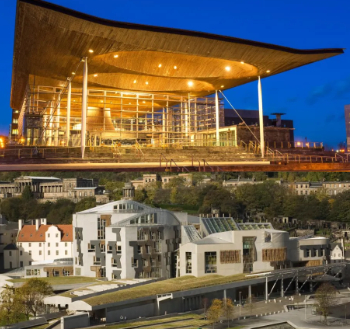
CIOB stresses importance of construction after new parliament elections.
The sad story of Derby Hippodrome
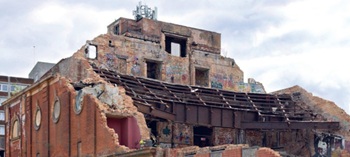
An historic building left to decay.

ECA, JIB and JTL back Fabian Society call to invest in skills for a stronger built environment workforce.

Women's Contributions to the Built Environment.
Calls for the delayed Circular Economy Strategy

Over 50 leading businesses, trade associations and professional bodies, including CIAT, and UKGBC sign open letter.
The future workforce: culture change and skill

Under the spotlight at UK Construction Week London.
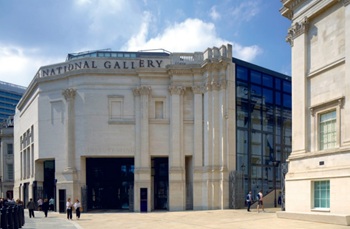
A landmark moment for postmodern heritage.