






Cutting road congestion

Contents |
[edit] Introduction
In 2018, ICE and the Pipe Jacking Association hosted a roundtable to discuss how to reduce congestion caused by roadworks. The roundtable included representatives from the Department for Transport and National Infrastructure Commission.
Urban traffic congestion caused by utility roadworks and other highway interventions cost the economy £4 billion a year according to the Department for Transport (DfT).
The National Infrastructure Commission (NIC) identifies urban road congestion as a major issue in its recent consultation ‘Congestion, Capacity, Carbon: Priorities for National Infrastructure’.
At the roundtable hosted by ICE President Professor Lord Robert Mair, attendees discussed solutions focused on the greater use of outcome based decision-making, more effective communication and the sharing of global best practice of innovative approaches.
[edit] Utilities that need repair vs travel delays
The general public has two differing needs. The first is for utilities such as electricity, gas, water and communications networks to function efficiently. The second is to use roads to get from A to B. It is also the public who ultimately pay for these two services and who suffer when they go wrong.
Everyone knows how frustrating it is to see roadworks with no-one working on them. The delays also have serious knock on effects – such as loss of working hours when people are late for work as well as increased carbon emissions.
Utility companies have no legal obligation or incentive to use proven non-disruptive technologies or to consider carbon impacts. There is therefore no necessity to utilise or invest to research new technologies.
Government has proposed a 4-pronged approach to the issue of roadworks: permits, lane rental, standards and better data management.
[edit] Telling construction about new technologies
Reducing and streamlining roadworks is only one way to resolve the wider issue of congestion. As the public are the users – and the people paying – should they be demanding more innovative solutions at no extra cost?
There is a need for clear decision-making and specification on outcomes while allowing freedom on the how. Clients should set the contractors the challenge of solutions that offer the best outcome for all affected stakeholders.
There are many innovative technologies either in development or already in use which the industry could benefit from, such as robotics, 3D printing and smart concrete. Extensive research has also been carried out on buried infrastructure, smart pipes and trench-less technology. However, there is no clear mechanism for telling construction stakeholders what exists.
This approach to finding innovative solutions for the bigger issues would be well suited to the government’s Industrial Strategy Challenges and aligned with the recommendations from the National Infrastructure Commission so that R&D funding is spent as efficiently and effectively as possible.
You can download the full ICE policy paper here.
This article was originally published here on 2 May 2018 by ICE. It was written by Melissa Zanocco, ICE Policy Team.
--The Institution of Civil Engineers
[edit] Related articles on Designing Buildings
Featured articles and news
Costs and insolvencies mount for SMEs, despite growth

Construction sector under insolvency and wage bill pressure in part linked to National Insurance, says report.
The place for vitrified clay pipes in modern infrastructure
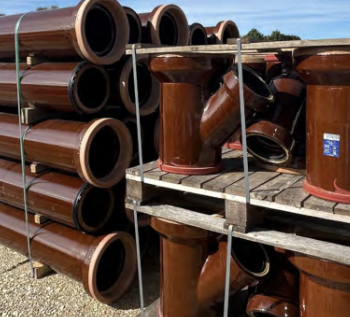
Why vitrified clay pipes are reclaiming their role in built projects.

Research by construction PR consultancy LMC published.
Roles and responsibilities of domestic clients

ACA Safety in Construction guide for domestic clients.
Fire door compliance in UK commercial buildings

Architect and manufacturer gives their low down.
Plumbing and heating for sustainability in new properties

Technical Engineer runs through changes in regulations, innovations in materials, and product systems.
Awareness of the Carbon Border Adjustment Mechanism
What CBAM is and what to do about it.
The new towns and strategic environmental assessments
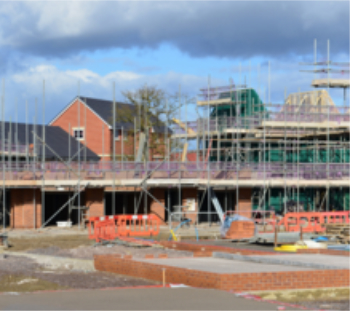
12 locations of the New Towns Taskforce reduced to 7 within the new towns draft programme and open consultation.

Buildings that changed the future of architecture. Book review.
The Sustainability Pathfinder© Handbook
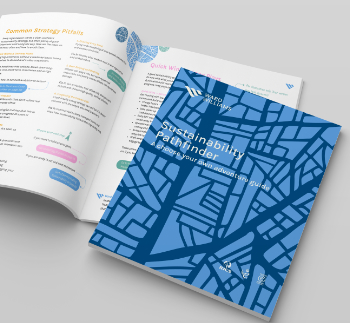
Built environment agency launches free Pathfinder© tool to help businesses progress sustainability strategies.
Government outcome to the late payment consultation, ECA reacts.
IHBC 2025 Gus Astley Student Award winners
Work on the role of hewing in UK historic conservation a win for Jack Parker of Oxford Brookes University.
Future Homes Building Standards and plug-in solar
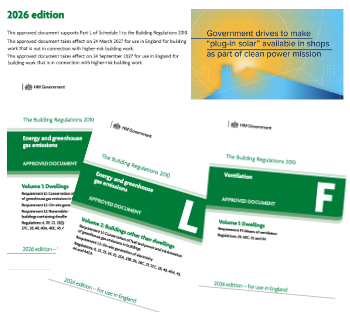
Parts F and L amendments, the availability of solar panels and industry responses.
How later living housing can help solve the housing crisis

Unlocking homes, unlocking lives.
Preparing safety case reports for HRBs under the BSA
A new practical guide to preparing structural inputs for safety cases and safety case reports published by IStructE.
Male construction workers and prostate cancer

CIOB and Prostate Cancer UK encourage awareness of prostate cancer risks, and what to do about it.