





Approximate bill of quantities
An approximate bill of quantities (sometimes referred to as a notional bill of quantities or provisional bill of quantities) can be used on projects where it is not possible to prepare a firm bill of quantities at the time of tendering.
Generally, the design will be relatively complete, but there is either insufficient time or information to determine the exact quantities and so a conventional bill of quantities cannot be prepared.
Tendering on the basis of an approximate bill of quantities can allow early selection of the contractor and so an early start on site. However, the approximate nature of the bill of quantities will tend to result in more variations during construction and so less price certainty when the investment decision is made. This means that even if it is not possible to determine exact quantities, it is sensible to try to ensure quantities are as accurate as possible.
Some contracts allow for re-measurement of approximate quantities (for example, this is common on cut-and-fill on roadworks). Here, quantities are simply revised and payments made accordingly without the need to instruct a variation.
If an approximate quantity turns out not to have been a realistic estimate of the quantity actually required, this may constitute a relevant event, giving rise to claims for an extension of time and loss and expense.
Approximate bills of quantities can also be used during the design process as a tool for controlling design costs (see approximate quantities cost plan below). They are then sometimes included in the tender documents as a guide with a caveat stating that responsibility for measuring quantities lies with the contractor, and drawings and specifications take priority over any description in the approximate bills.
An approximate quantities cost plan is, in effect, a priced approximate bill of quantities. It is a development of the elemental cost plan, but unlike the elemental cost plan (in which the cost of elements is broken down from the overall construction cost, based on the experience of the cost consultant and known costs of similar completed projects) the approximate quantities cost plan is a first attempt to measure defined quantities from drawings.
It presents a more accurate picture of where costs are distributed, in particular it draws to the attention of designers those elements of the design that are standard and those that are not - and as a consequence may be more expensive. The approximate quantities cost plan should form a solid base for an effective value engineering exercise. From the point that the approximate quantities cost plan has been approved, cost control can be introduced by treating changes as if they are variations.
[edit] Related articles on Designing Buildings Wiki
- Advantages of a bill of quantities.
- Approximate bill of quantities vs approximate quantities cost plan.
- Approximate quantities cost plan.
- Bill of quantities.
- CAWS.
- Common mistakes in bill of quantities.
- Extension of time.
- Firm bill of quantities.
- Loss and expense.
- New Rules of Measurement.
- Packaging.
- Provisional sum.
- Relevant event.
- Standard Method of Measurement (SMM7).
- Types of bill of quantities.
- Unpriced bill.
Featured articles and news
Costs and insolvencies mount for SMEs, despite growth

Construction sector under insolvency and wage bill pressure in part linked to National Insurance, says report.
The place for vitrified clay pipes in modern infrastructure
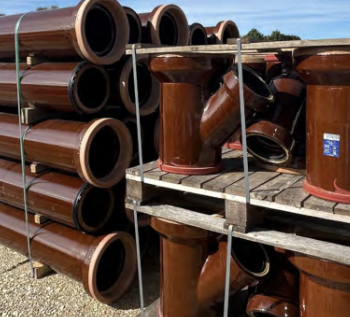
Why vitrified clay pipes are reclaiming their role in built projects.

Research by construction PR consultancy LMC published.
Roles and responsibilities of domestic clients

ACA Safety in Construction guide for domestic clients.
Fire door compliance in UK commercial buildings

Architect and manufacturer gives their low down.
Plumbing and heating for sustainability in new properties

Technical Engineer runs through changes in regulations, innovations in materials, and product systems.
Awareness of the Carbon Border Adjustment Mechanism
What CBAM is and what to do about it.
The new towns and strategic environmental assessments
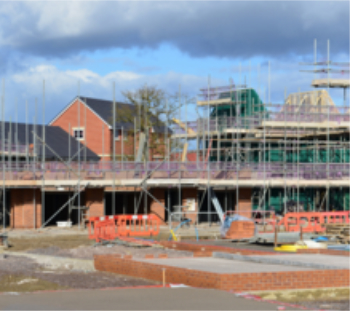
12 locations of the New Towns Taskforce reduced to 7 within the new towns draft programme and open consultation.
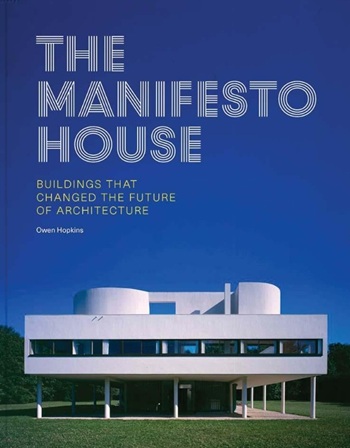
Buildings that changed the future of architecture. Book review.
The Sustainability Pathfinder© Handbook
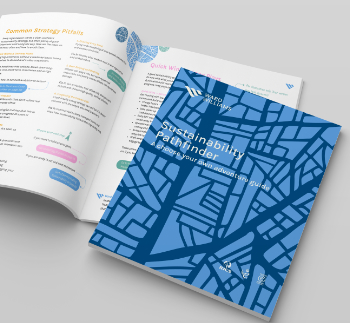
Built environment agency launches free Pathfinder© tool to help businesses progress sustainability strategies.

Government outcome to the late payment consultation, ECA reacts.
IHBC 2025 Gus Astley Student Award winners

Work on the role of hewing in UK historic conservation a win for Jack Parker of Oxford Brookes University.
Future Homes Building Standards and plug-in solar
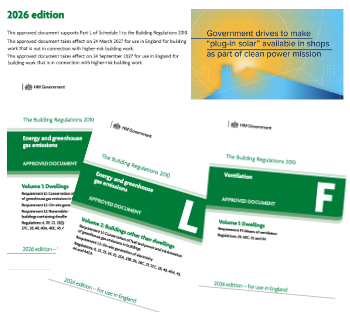
Parts F and L amendments, the availability of solar panels and industry responses.
How later living housing can help solve the housing crisis

Unlocking homes, unlocking lives.
Preparing safety case reports for HRBs under the BSA

A new practical guide to preparing structural inputs for safety cases and safety case reports published by IStructE.
Male construction workers and prostate cancer

CIOB and Prostate Cancer UK encourage awareness of prostate cancer risks, and what to do about it.