






Carbon emissions of electric heating v gas

Something remarkable happened in 2019, though most of the great British public would not have noticed any difference. As 2019 drew to a close, the average carbon intensity of UK grid electricity fell below that of boiler gas, making electrical heating the lower carbon option to gas heating.
A report from Drax has compared the UK’s average gas boiler mix, with the average grid generation mix. It shows that the average efficiency of gas heating rose slowly to 86% over the last decade, so that carbon emissions from producing 1 kWh of central heating fell to 215 grams of CO2 in 2019. However, simple electric heaters averaged only 207 grams of carbon dioxide per kWh by the end of 2019, and this has led the Drax report to conclude that “Britain has reached the point where it’s cleaner to use electric heating than a gas boiler”.
Drax also observes that the UK would now have to blend 12% hydrogen (by volume) into the gas mains for Britain’s boilers to stay as low carbon as simple electric radiators. But as the carbon intensity of electricity continues to fall, due to increasing renewable energy grid input and the near elimination of coal burning, further hydrogen blending - even if technically feasible - won’t keep up. In time, only the astonishing prospect of a complete hydrogen gas switch-over, or the widespread installation of electric heat pump/gas fired combinations will be able to compete with electrical heating on carbon impact. Boiler/heat pump combinations, advocated by the UK’s advisory Committee on Climate Change, could conceivably offer building heat at as little as 50–100 g of CO2/kWh, but at huge up-front cost. Drax adds that the cost of producing hydrogen from renewable energy is too difficult to quantify, as it is not yet available at scale.
So if electrical energy is now a low carbon front runner, why bother with anything else? Well, retail electricity prices are around three times higher than gas prices (typically 15 p/kWh versus 5 p/kWh) which still makes electric heating much more expensive to run, though off peak tariffs and digital solutions (enabling smart energy use and even grid management) can reduce running costs considerably.
Gas and electric technologies will need to offer low carbon heat without pushing up bills if they are to win Government and customer support, and both Capex and Opex will help to determine which energy delivery technologies win the day. But when it comes to delivering lower carbon impact, electric heat isn’t just competing, it’s become the industry front runner.
This article originally appeared as ‘Electric heat edges ahead in the low carbon stakes’ on the ECA blog, published on 28th February 2020. It was written by Paul Reeve, ECA Director of CSR.
--ECA
[edit] Related articles on Designing Buildings Wiki
Featured articles
Check out some of the best features and news from Designing Buildings as well as key stories from around the web.

New guidance for professional practice, cultural change and regulation in social housing.
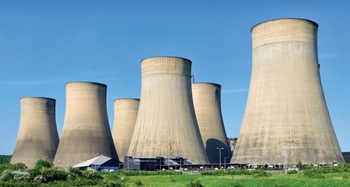
The heritage of nuclear and conventional power stations.
New measures to stop people being ripped off

Government to protect families from cowboy builders and aggressive bailiffs.

New Futurebuild showcase brings an innovation-first approach.
National Planning Policy Framework

Understanding the 2026 changes.
ECA's public affairs priorities

Member consultation opens to shape priorities for 2027 to 2030.

Dutyholder responsibilities from 1 July 2026.
Where performance meets practice

The Building Envelope Stage at UKCW Birmingham.

CIAT publishes briefing on planning reforms.
Leaders in Learning for Practice Network

Call for conservation leaders in learning to register interest in new network.
The importance of early engagement

Construction lessons from the Trillium HealthWorks Experience Centre.
Mayors are to be given planning call in powers

Mayors across England will be able to make the most important planning decisions.
Comments
Its good to compare, but at the end of the day, renewables are always maxed out by policy. On occasion we have a small amount of excess/lost renewables, but unless your demand happens to coincide with this additional new demand must come 100% from gas produced electricity (maybe other sources but mainly gas).
Right now we are seeing a large increase in sales in electrified transport (battery cars/vans etc), driven by new/cheaper tech and global gov't regulation proposals to ban petrol/diesel engines. Even with 100% gas powered electricity these mean less pollution and CO2 than their fossil counterparts, they also provide storage and grid stability as well as absorbing all excess renewables with flexible demand and even feeding power back.
Heat pump are very marginal with 100% gas electricity, real COP figures need verified in 'normal' installations rather than test conditions. A non ideal location, combined with the wrong wind and cold temps could easily lead to much worse COP than rated. Ideally equipment should measure this in real time.
Battery vehicles will not be at critical volume for another few years, but its does not make sense for several new sources of demand to claim lost or new renewables as evidence that the grid can support a CO2 reduction from electrification from a new source. Transport has been a problem areas of increasing emissions while other sectors have been reducing, it stands to benefit us the most.