





Debris netting

Debris netting is used on construction sites to contain debris and on scaffolding to prevent debris from falling. It is generally made from a durable, heavy-duty, plastic netting.
The Work and Height Regulations 2005 required that where public access to a potential danger areas is necessary, then debris netting must be used to catch falling materials, including dust which can cause discomfort or eye injuries. Risk assessments must be carried out to determine the safety measures that need to be installed.
There are a number of benefits to using debris netting on a construction scaffold:
- It provides safe containment of debris, protection of workers, the public and traffic.
- Its versatility as an enclosure system means it is easy and economical to handle and can hang vertically or horizontally to achieve maximum coverage.
- The edges are reinforced with eyelets for quick and easy attachment to a scaffold using wire or plastic ties.
- It allows air movement, which can ventilate the scaffold and reduce wind loading.
- It provides shading against bright sunlight whilst allowing enough light in for tasks to be carried out.
- It gives some protection to work areas and workers from inclement weather conditions.
- It is flame retardant..
Debris netting can be made of a range of materials such as:
- Polyester.
- High-density polyethylene.
- Polypropylene.
- PVC-coated polyester.
Debris netting is typically green in colour. However, in sensitive of high profile locations, debris containment can be provided using printed materials that can for example show the façade of the building behind the material, images of the completed development, details of the project team or client, advertisements and so on. For more information see: Building wraps.


[edit] Find out more
[edit] Related articles on Designing Buildings Wiki
Featured articles and news
Costs and insolvencies mount for SMEs, despite growth

Construction sector under insolvency and wage bill pressure in part linked to National Insurance, says report.
The place for vitrified clay pipes in modern infrastructure
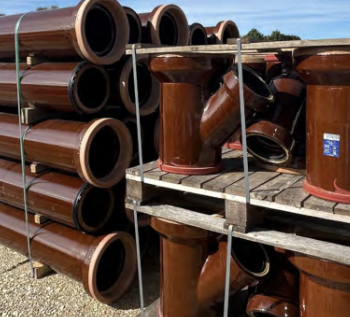
Why vitrified clay pipes are reclaiming their role in built projects.

Research by construction PR consultancy LMC published.
Roles and responsibilities of domestic clients

ACA Safety in Construction guide for domestic clients.
Fire door compliance in UK commercial buildings

Architect and manufacturer gives their low down.
Plumbing and heating for sustainability in new properties

Technical Engineer runs through changes in regulations, innovations in materials, and product systems.
Awareness of the Carbon Border Adjustment Mechanism
What CBAM is and what to do about it.
The new towns and strategic environmental assessments

12 locations of the New Towns Taskforce reduced to 7 within the new towns draft programme and open consultation.

Buildings that changed the future of architecture. Book review.
The Sustainability Pathfinder© Handbook
Built environment agency launches free Pathfinder© tool to help businesses progress sustainability strategies.

Government outcome to the late payment consultation, ECA reacts.
IHBC 2025 Gus Astley Student Award winners

Work on the role of hewing in UK historic conservation a win for Jack Parker of Oxford Brookes University.
Future Homes Building Standards and plug-in solar
Parts F and L amendments, the availability of solar panels and industry responses.
How later living housing can help solve the housing crisis

Unlocking homes, unlocking lives.
Preparing safety case reports for HRBs under the BSA
A new practical guide to preparing structural inputs for safety cases and safety case reports published by IStructE.
Male construction workers and prostate cancer

CIOB and Prostate Cancer UK encourage awareness of prostate cancer risks, and what to do about it.