




Which Is the Best Waterproofing Method for a Terrace?
[edit] Introduction
Terrace leakage is one of the most common problems faced by homeowners, commercial building owners, and housing societies. Water seepage through terraces can damage ceilings, weaken structures, cause damp walls, and lead to costly repairs. This is why choosing the best terrace waterproofing method is essential for protecting your property from long-term damage.
But with so many waterproofing options available, many people ask: Which is the best waterproofing method for a terrace?
The answer depends on factors such as terrace condition, type of building, climate exposure, existing cracks, and budget. In this guide, we will explain the most effective terrace waterproofing methods, their benefits, and how to choose the right one for your roof.
[edit] Why Terrace Waterproofing Is Important?
A terrace is constantly exposed to harsh weather conditions including:
- Heavy rainfall
- Extreme heat and UV exposure
- Temperature changes
- Water stagnation
- Cracks due to building movement
Without proper terrace waterproofing, water enters the concrete surface and causes:
- Roof leakage
- Ceiling dampness
- Wall seepage
- Mold and fungus growth
- Structural deterioration
- Concrete damage and steel corrosion
Investing in professional waterproofing for terrace areas helps increase the building lifespan and reduces future repair costs.
[edit] Best Waterproofing Methods for Terrace
Here are the most effective and widely used terrace waterproofing methods for long-lasting protection:
[edit] 1. Polyurethane (PU) Waterproofing - Best for Long-Term Protection
Polyurethane waterproofing is considered one of the best terrace waterproofing methods because it creates a seamless, flexible, and highly durable waterproof membrane.
[edit] Benefits:
- Excellent crack-bridging ability
- High water resistance
- UV-resistant coating
- Ideal for exposed terraces
- Long-lasting performance
PU coating works exceptionally well for terraces with minor cracks and water ponding issues.
Best for: Residential terraces, commercial roofs, exposed concrete roofs.
[edit] 2. Acrylic Waterproof Coating - Budget-Friendly Option
Acrylic coating is one of the most affordable roof waterproofing solutions for terraces. It creates a protective layer over the roof and helps reduce water penetration.
[edit] Benefits:
- Cost-effective
- Easy application
- Reflects heat
- Good weather resistance
However, it may require periodic maintenance compared to premium waterproofing systems.
Best for: Small residential terraces and preventive waterproofing.
[edit] 3. Cementitious Waterproofing - Best for Concrete Surfaces
Cement-based waterproofing is commonly used for concrete terraces and roofs. It involves applying waterproof chemicals mixed with cement to create a protective layer.
[edit] Benefits:
- Strong adhesion to concrete
- Durable waterproof layer
- Effective against moisture seepage
- Affordable solution
This method works best when combined with proper surface preparation.
Best for: RCC terraces, balconies, and old concrete roofs.
[edit] 4. Bituminous Membrane Waterproofing - Heavy-Duty Protection
Bituminous membrane waterproofing uses asphalt-based sheets to create a water-resistant barrier.
[edit] Benefits:
- Excellent waterproof performance
- High durability
- Suitable for extreme weather conditions
- Strong protection against leakage
Although highly effective, installation requires professional expertise.
Best for: Commercial buildings, industrial roofs, large terraces.
[edit] 5. Liquid Waterproof Membrane - Flexible and Seamless
Liquid membrane waterproofing is becoming increasingly popular for terrace leakage solutions because of its flexibility and easy application.
[edit] Benefits:
- Seamless coating
- Covers small cracks effectively
- Easy maintenance
- UV resistant
It provides excellent protection against rainwater penetration.
Best for: Flat terraces and residential roofs.
[edit] Which Is the Best Waterproofing Method for Terrace?
Among all methods, Polyurethane (PU) Waterproofing is generally considered the best terrace waterproofing solution because of its durability, flexibility, crack resistance, and superior waterproof performance.
However, the ideal method depends on:
[edit] 1. Terrace Condition
Old terraces with cracks may require crack repair before waterproofing.
[edit] 2. Water Leakage Severity
Heavy seepage problems may need membrane waterproofing instead of basic coatings.
[edit] 3. Budget
Acrylic waterproofing is economical, while PU waterproofing offers premium long-term value.
[edit] 4. Weather Conditions
Areas with heavy rainfall require stronger waterproofing systems.
[edit] Signs Your Terrace Needs Waterproofing Immediately
If you notice these warning signs, it’s time for professional terrace waterproofing services:
- Ceiling water stains
- Damp walls
- Cracks on terrace surface
- Paint peeling indoors
- Mold growth
- Water accumulation on roof
Ignoring these signs can lead to expensive structural repairs later.
[edit] 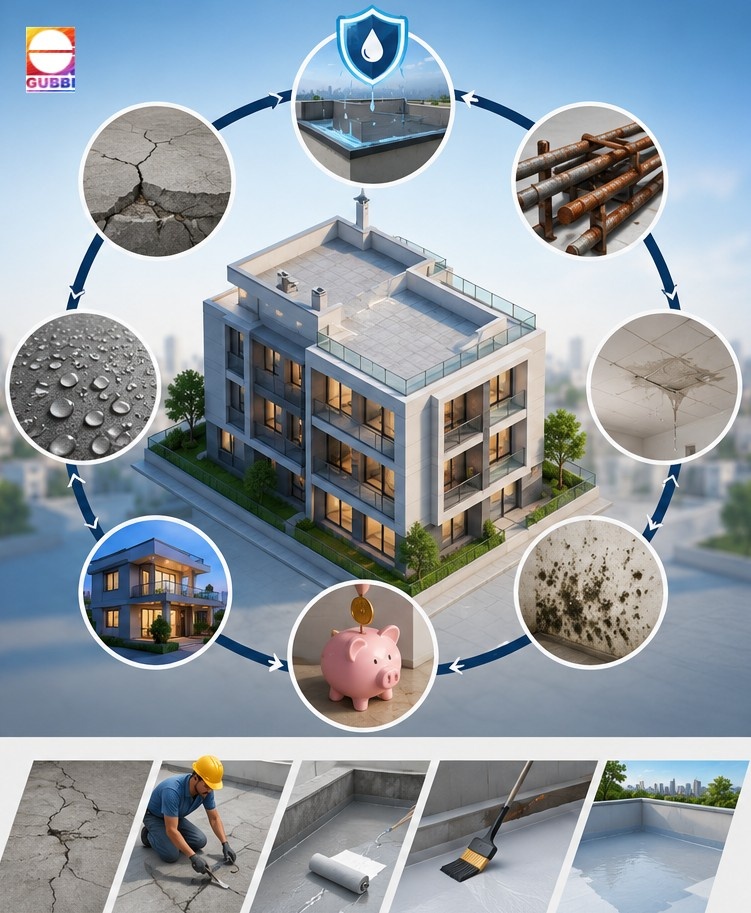
[edit] Tips to Increase Terrace Waterproofing Life
To maximize waterproofing performance:
- Fix terrace cracks early
- Ensure proper drainage slope
- Avoid water stagnation
- Schedule regular inspection
- Use professional waterproofing materials
Professional installation always delivers better long-term results compared to temporary DIY fixes.
[edit] Why Professional Terrace Waterproofing Matters
Many people try temporary leakage repairs, but improper waterproofing often fails within months. Professional terrace waterproofing contractors inspect the roof condition, identify hidden damage, and recommend the right waterproofing method for long-lasting protection.
Expert waterproofing helps:
- Prevent recurring leakage
- Improve roof durability
- Protect structural strength
- Save repair costs over time
[edit] Conclusion
Choosing the best terrace waterproofing method depends on your roof condition, budget, and leakage severity. While multiple options are available, PU waterproofing, liquid membranes, cementitious coating, and bituminous systems are among the most effective solutions.
If your terrace has cracks, seepage, or water leakage issues, investing in timely terrace waterproofing can save you from expensive structural repairs and improve the life of your building.
Don’t wait until leakage becomes severe, protect your terrace before the next rainy season arrives.
[edit] Which waterproofing is best for terrace?
Polyurethane (PU) waterproofing is considered one of the best terrace waterproofing methods because of its flexibility and long-term durability.
[edit] How long does terrace waterproofing last?
Professional terrace waterproofing can last between 5-15 years depending on materials used and maintenance.
[edit] What is the best waterproof coating for roof leakage?
PU coating and liquid waterproof membranes are highly effective for roof leakage prevention.
[edit] Can terrace waterproofing stop seepage permanently?
Proper waterproofing combined with crack repair and drainage correction can provide long-term seepage protection.
Featured articles
Check out some of the best features and news from Designing Buildings as well as key stories from around the web.

CIOB celebrates positive Ofsted report.

The Building Safety Regulator announces a call for evidence.

Government approach could undermine delivery and regeneration.
World's first mass timber data centre.

The overlooked environmental aspect of data centre development.
Introduction to radon awareness

New technical information sheet published by CIOB.

Updated supplier guide can help electrical contractors engage with NHP.

CIAT confirm the winners of the 2026 architectural technology awards.

Government launches a one stop shop for flood preparedness.

Sir Edwin Lutyens: Britain's greatest architect? Book review.

CIOB publishes free template to help assess and manage risks.
ECA's reflections on Party Conference season

Burnham wants to be confident of winning before asking for a fresh mandate.
New Chief Construction and Scientific Adviser

Sergio Cavalaro, Professor of Infrastructure Systems at Loughborough University.