





Torsion Springs and Their Benefits

Contents |
Introduction
Torsion springs are widely used in many different industries, from construction and rail to architecture and aerospace. Their helical design allows them to exert rotary force and is ideal for when there is a need for angular movement with the legs of the spring attached to other components.
What are Torsion Springs?
These springs can store and release angular energy or just hold a mechanism in place. They are made to provide or maintain a rotational pressure between two surfaces by allowing components to rotate around the centre of the spring, which attempts to push them back to their original position. In a general manner, torsion springs should be created to spring in the opposite direction as the coil, as they will not be able to withstand heavier weights if otherwise.
However, because there are so many different designs, they are capable of meeting many different requirements and fit a wealth of applications.
Materials Used for Torsion Springs
A lot of materials have the ability to bend without breaking, while others do not. It is crucial that the materials chosen for springs, including for torsion springs, can flex without breaking. Some of the most common materials for springs include (but are not limited to):
- High carbon steels – the most common materials for springs. They might need extra corrosive protection like pre-galvanised coating.
- Stainless steels – perhaps the most important alloy steel for springs, stainless steel has a high degree of corrosion and heat resistance.
- Alloy steels – common alloy steels include chrome vanadium and chrome silicon. They’re suitable for shock loads, such as engine valve springs.
- Non-ferrous alloys – these alloys are best suited for applications that require good electrical conductivity.
- High-temperature alloys – metals like cold drawn nickel and chromium alloys are suitable for applications that need good corrosion resistance at elevated temperatures.
Applications of Torsion Springs
Torsion springs can be used in a wide variety of circumstances, objects and mechanisms. They are common in everyday objects as well. Amongst some of their most popular applications are clothespins, door hinges, paper cutters, vehicle suspensions, watches, clipboards, mousetraps, switches, and much more.
Advantages of Torsion Springs
Torsion springs provide many benefits to the objects and mechanisms they are used in, which adds to their popularity. Key benefits of these springs include:
- Durable – they last for a long time and provide good value for money
- Easy to use – for example, torsion springs can be adjusted easily in vehicles
- Small – the relatively small size of torsion springs allows them to fit many applications, even with limited space
Find Out More
Related articles on Designing Buildings Wiki
- Compression springs.
- Flat springs.
- Key Qualities of Springs.
- The Importance of Gas Springs.
- Large and Hot Coiled Compression Springs
- Springs in Structures
- The Multiple Uses of Compression Springs
- The Properties of Die Springs
- Tension springs v torsion springs
- The Difference Between Tension and Torsion Springs
- Torsion.
- Types of spring.
Featured articles and news
Costs and insolvencies mount for SMEs, despite growth

Construction sector under insolvency and wage bill pressure in part linked to National Insurance, says report.
The place for vitrified clay pipes in modern infrastructure
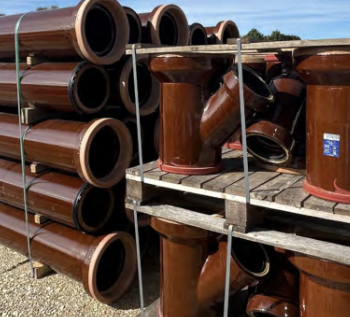
Why vitrified clay pipes are reclaiming their role in built projects.

Research by construction PR consultancy LMC published.
Roles and responsibilities of domestic clients

ACA Safety in Construction guide for domestic clients.
Fire door compliance in UK commercial buildings

Architect and manufacturer gives their low down.
Plumbing and heating for sustainability in new properties

Technical Engineer runs through changes in regulations, innovations in materials, and product systems.
Awareness of the Carbon Border Adjustment Mechanism
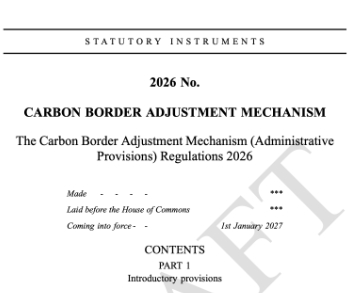
What CBAM is and what to do about it.
The new towns and strategic environmental assessments

12 locations of the New Towns Taskforce reduced to 7 within the new towns draft programme and open consultation.

Buildings that changed the future of architecture. Book review.
The Sustainability Pathfinder© Handbook
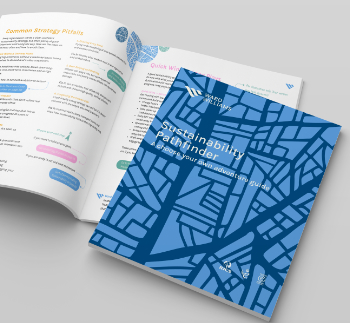
Built environment agency launches free Pathfinder© tool to help businesses progress sustainability strategies.

Government outcome to the late payment consultation, ECA reacts.
IHBC 2025 Gus Astley Student Award winners

Work on the role of hewing in UK historic conservation a win for Jack Parker of Oxford Brookes University.
Future Homes Building Standards and plug-in solar

Parts F and L amendments, the availability of solar panels and industry responses.
How later living housing can help solve the housing crisis

Unlocking homes, unlocking lives.
Preparing safety case reports for HRBs under the BSA

A new practical guide to preparing structural inputs for safety cases and safety case reports published by IStructE.
Male construction workers and prostate cancer

CIOB and Prostate Cancer UK encourage awareness of prostate cancer risks, and what to do about it.