





Spoil

In the construction industry, the term 'spoil' generally refers to excavated or unwanted material that is removed from the construction site during excavation, earthworks, foundation construction and so on.
Spoil may include soil, rock or other debris that is not useful or necessary for the construction project. It is typically removed from the site and disposed of at a designated facility.
The amount of spoil generated during construction can vary greatly depending on the nature and size of the project, the ground conditions, and the construction methods used. Managing spoil is an important aspect of construction, as improper handling and disposal of spoil can lead to environmental pollution.
In some cases, spoil may be reused or recycled on site, such as by using excavated soil for backfill or landscaping. This can help reduce the amount of material that needs to be disposed of, and may also give cost savings. However, this is not always feasible, in particular in areas where the soil quality is poor or the ground is contaminated.
The amount of spoil generated by the UK construction industry varies from year to year depending on the level of construction activity and the nature of the projects being undertaken. According to data from the UK government's Waste Data Flow report for 2019, the construction, demolition, and excavation sector generated a total of 59.4 million tonnes of waste, of which 29.3 million tonnes was excavated waste, including spoil. The report notes that the majority of excavated waste is disposed of in landfill sites, although some of it is reused or recycled, primarily for land restoration or landscaping purposes.
It's worth noting that the UK construction industry has set targets for reducing waste and improving sustainability, including through the use of more efficient construction methods, reducing the use of virgin materials, and increasing the reuse and recycling of construction waste, including spoil. This reflects a growing awareness of the environmental impact of construction activities and a desire to improve the sustainability of the industry as a whole.
[edit] Related articles on Designing Buildings
Featured articles
Check out some of the best features and news from Designing Buildings as well as key stories from around the web.
Undervaluing our industrial past

Heritage value changes as taste for building styles changes.
Changing expectations around competence and compliance

New information sheet from CIAT.
Grenfell investigation files passed to CPS

Angela Rayner apologises on behalf of the British state.

Electrical contractors need to understand the practical implications.

The real barrier to getting more value from digital technology.

Your guide to The Construction Reset at UKCW Birmingham.

Accommodating the Victorian and Edwardian working woman. Book review.
Rethinking passive fire protection in design

PFP demands the same level of design rigour as structure or services.

38% of Gen Zs feel safe when a fire door is wedged open.
Stunning images from around the world

Shortlist for CIOB’s Art of Building photography competition.

Guidance for conversion of traditional pre-1919 stone buildings.
Industrial heritage in the Ruhr
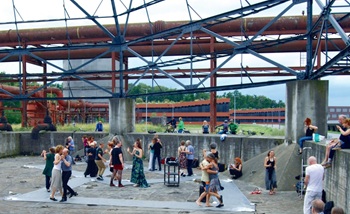
A marked difference to the fate of industrial landscapes in the UK.
Comments
[edit] To make a comment about this article, or to suggest changes, click 'Add a comment' above. Separate your comments from any existing comments by inserting a horizontal line.