





Power surge

A power surge is when an unusually high voltage occurs in an electrical system for a short period. It may also be referred to as a transient surge because it involves a transient wave of voltage, current or power which usually occurs between the normal waves of voltage. The over voltage can be additive or subtractive with positive or negative polarity lasting less than a half-cycle, or at little as 50 microseconds but surges can reach 6000 Volts and 3000Amps which can cause damage.
Power surges often occur after power cuts or blackouts as systems are reinstalled or turned on again. Lightening strikes can cause power cuts but can also cause power surges as the systems absorb the excess electrical power of the lightening strike, which can damage equipment plugged into the circuit. Other common causes of power surges are faulty wiring and when systems are overloaded or drawing too much power.
Occurrences where systems draw too much power can be localised to individual buildings where for example too many pieces of equipment are plugged into the same socket, drawing too much power which can cause damage or in some cases fire. These events can also occur on a wider scale such as for example during what is known as TV pickup, which describes the phenomenon of many people demanding power at the same time, which might happen during commercial TV breaks when viewers all put the kettle on at the same time. One example of this occurred at the end of the FIFA World Cup semi-final after a penalty shoot-out between England v West Germany in 1990 when the UK demand at that point was 2800 megawatts.
Common methods exist to deal with power surges, most of which aim to earth any excess power from a lightening bolt safely to the ground rather than through an electrical system, many of which are written into installation guidance or recommended by the building regulations such as lightening protection systems. Other practical measures to avoid damage to individual equipment during a power surge that occurs after a power cut (or during a storm with likely lightening bolts) include unplugging equipment from those circuit, thus removing the risk to individual appliances or earthing individual appliances within the circuit.
[edit] Related articles on Designing Buildings
Featured articles
Check out some of the best features and news from Designing Buildings as well as key stories from around the web.
Undervaluing our industrial past

Heritage value changes as taste for building styles changes.
Changing expectations around competence and compliance

New information sheet from CIAT.
Grenfell investigation files passed to CPS

Angela Rayner apologises on behalf of the British state.

Electrical contractors need to understand the practical implications.

The real barrier to getting more value from digital technology.

Your guide to The Construction Reset at UKCW Birmingham.

Accommodating the Victorian and Edwardian working woman. Book review.
Rethinking passive fire protection in design

PFP demands the same level of design rigour as structure or services.

38% of Gen Zs feel safe when a fire door is wedged open.
Stunning images from around the world

Shortlist for CIOB’s Art of Building photography competition.

Guidance for conversion of traditional pre-1919 stone buildings.
Industrial heritage in the Ruhr
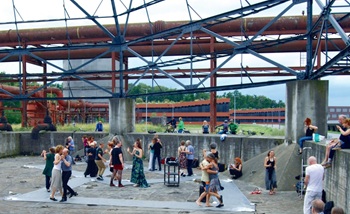
A marked difference to the fate of industrial landscapes in the UK.
Comments
[edit] To make a comment about this article, or to suggest changes, click 'Add a comment' above. Separate your comments from any existing comments by inserting a horizontal line.