





Heddal stave church, Norway

Heddal stave church was constructed at the start of the 13th century and is the largest church of its kind in Norway. It is a triple nave stave church made entirely of timber, save for a stone base.
Stave churches are medieval Christian churches prevalent across north-western Europe. They are characterised by the ‘staves’, or thick timber posts, which hold them in place. They adopt the same woodworking techniques as the Viking shipbuilders, using expertly crafted joints and joins rather than nails or glue.
Heddal stave church is built around 12 large and 6 smaller Norwegian pine staves, as well as four carved entrance portals, and an external gallery which circles the building. Inside, there is a ‘Bishop’s Chair’ which dates from the 13th century, as well as wall-mounted ‘rose’ paintings from 1668 and ornate carvings relating pagan myths and Christian parables.

The church suffered considerable damage during the Reformation, but restoration was undertaken from 1849-51. It was at this time that the church bells were removed and placed in the external bell-tower to reduce the load on the timber structure. Another significant restoration project was required in the 1950s.
Throughout most of the year the church is still in use as Heddal’s main parish church.
[edit] Related articles on Designing Buildings Wiki
Featured articles
Check out some of the best features and news from Designing Buildings as well as key stories from around the web.

Accommodating the Victorian and Edwardian working woman. Book review.
Rethinking passive fire protection in design

PFP demands the same level of design rigour as structure or services.

38% of Gen Zs feel safe when a fire door is wedged open.
Stunning images from around the world

Shortlist for CIOB’s Art of Building photography competition.

Guidance for conversion of traditional pre-1919 stone buildings.
Industrial heritage in the Ruhr

A marked difference to the fate of industrial landscapes in the UK.
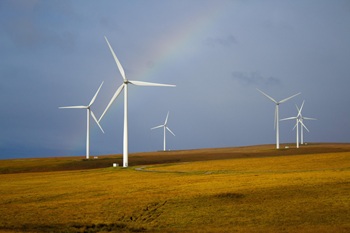
Communities will be able to build their own clean energy.
Why diversity and inclusion matters for SMEs

CIOB’s D&I Charter shows how practical changes can support long-term growth.
Cut electricity bills to power growth

Coalition sends joint letter to the Chancellor.

Gasholders: a history in pictures. Book review.
Recognition, influence and growth
SocEnv identifies three strategic pillars in new strategy to 2045.

Discover the future of roofing, cladding and insulation.
Comments