






Flue insulation and air tightness requirements

Contents |
[edit] Introduction
Legislation and market demand for low carbon solutions are driving the adoption of higher levels of insulation in new build properties and an increasing number of passive house projects.These upgrades also mean that related services must change to accommodate these increases.
[edit] The impact of increased insulation in new housing projects
In the case of flues and chimneys, heat that would otherwise be lost through the building structure is now retained. Under these changing conditions, insulated flues must demonstrate that their own insulation is sufficient. This will ensure there are not dangerous levels of local overheating that could damage the building structure or lead to fires.
BS EN 1443:2019 lays out a series of standard structure types which cover the British and European markets, with varying levels of insulation applied to walls and ceiling in conjunction with the floor penetration and enclosure variations. The standard also specifies the U and R values required for the test structures based on national building regulations. Manufacturers can then select and test in accordance with classes relevant to their markets and local methods of construction and regulation.
Most existing housing stock in the UK will be best represented by structure type “b”, with U value represented by a 100 mm wall and floor thickness. For new build, the U value is represented by a 200 mm wall and roof thickness, close to type “c”. For passive house, the U value is represented by test structure “e” which increases the wall and roof thickness to 400mm.
An additional designation letter will be added to the product designation for the type of test structure used during the testing, as shown in the example here:
ENxxxxx – T400 – N1 – D – 3 – G – 50 – c
The product designation includes temperature class, pressure class, corrosion resistance class and sootfire resistance class with distance to combustible material (where appropriate) and the type of test structure.
[edit] Product standards in development
While BS EN 1443:2019 has been published, the related harmonised product standards for different chimney types are still being finalised. This means that testing with the new structure types is not yet a requirement for CE marking (or the UKCA mark). However, some manufacturers are already looking to carry out testing on their existing products to the enhanced requirements and listing the data on a voluntary basis.
BSRIA has a purpose-built facility which has recently been upgraded for comprehensive testing of chimneys. The organisation can also carry out development testing on a range of product types:
- Metal system chimneys
- Metal flue liners
- Clay/Ceramic liners
- Concrete flue liner/blocks
- Plastic flue liners
BSRIA has now added to its existing chimney testing capability to ensure that the new testing requirements can be met in a timely fashion. The goal is to allow manufacturers to be ready for the anticipated changes.
This article originally appeared on the BSRIA website under the headline, 'Insulation of flues and chimneys needs to match the increasing air tightness of buildings'. It was published in January 2021.
--BSRIA
[edit] Related articles on Designing Buildings Wiki
Featured articles
Check out some of the best features and news from Designing Buildings as well as key stories from around the web.

Electrical contractors need to understand the practical implications.

The real barrier to getting more value from digital technology.

Your guide to The Construction Reset at UKCW Birmingham.

Accommodating the Victorian and Edwardian working woman. Book review.
Rethinking passive fire protection in design

PFP demands the same level of design rigour as structure or services.

38% of Gen Zs feel safe when a fire door is wedged open.
Stunning images from around the world

Shortlist for CIOB’s Art of Building photography competition.
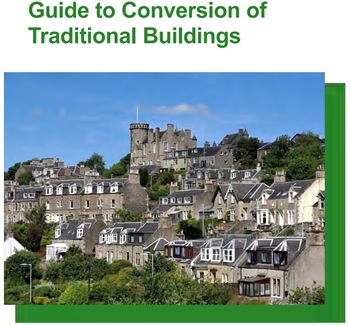
Guidance for conversion of traditional pre-1919 stone buildings.
Industrial heritage in the Ruhr

A marked difference to the fate of industrial landscapes in the UK.
Communities will be able to build their own clean energy.
Why diversity and inclusion matters for SMEs

CIOB’s D&I Charter shows how practical changes can support long-term growth.
Cut electricity bills to power growth

Coalition sends joint letter to the Chancellor.
Comments