




Space-saving folding beds
Contents |
[edit] Introduction
Folding beds and other space-saving bed designs can help maximise usable floor space in small homes, guest rooms and studio apartments. Different designs provide alternative ways to accommodate sleeping, seating and storage within a limited area. The most suitable option depends on the available space, frequency of use, storage requirements and the practicality of converting the furniture between different configurations.
[edit] Types of space-saving beds
[edit] Wall beds
A wall bed, also known as a Murphy bed, is hinged to a wall or fitted within a purpose-designed cabinet. It folds vertically or horizontally into the enclosure when not in use, freeing up floor space for other activities. Wall beds can be integrated with shelving, desks or cupboards, although the installation must provide adequate structural support, clearance and secure operating mechanisms.
[edit] Trundle beds
A trundle bed consists of a secondary mattress and frame stored beneath a main bed. The lower bed is pulled out when required and may be raised to the same height as the main bed, depending on the design. Trundle beds are useful for accommodating occasional overnight guests, but the available space beneath the main bed, the height of the mattresses and the clearance needed to extend the lower bed must be considered.
[edit] Sofa beds
A sofa bed combines seating with a sleeping surface. Depending on the mechanism, the seat and backrest may fold out, or a separate mattress may be pulled from within the frame. Sofa beds are suitable for living rooms and multipurpose spaces where a permanent bed would restrict other activities. Comfort, mattress thickness, ease of conversion and the space required when fully extended are important selection criteria.
[edit] Folding ottoman beds
An ottoman bed is designed to provide storage beneath the mattress, usually accessed by lifting the mattress and bed base on a hinged mechanism. Some designs can be folded or dismantled for storage, but a conventional ottoman bed is not necessarily a folding bed. The storage compartment can accommodate bedding and other household items, reducing the need for separate storage furniture.
[edit] Bunk beds
Bunk beds accommodate two or more sleeping surfaces in a vertical arrangement, making efficient use of floor space. They are commonly used in children's bedrooms, shared rooms and guest accommodation. Their design should provide suitable access, guardrails where required, adequate headroom and sufficient clearance from ceilings, lights and other fittings. The manufacturer's instructions and relevant safety requirements should be followed.
[edit] Storage beds
Storage beds incorporate drawers, compartments or other storage features within the bed frame or base. A captain's bed is one example, typically incorporating drawers beneath the mattress. These designs can reduce the need for separate wardrobes or chests of drawers, although drawers require sufficient clearance to open and access their contents.
[edit] Selecting and installing a space-saving bed
The choice of bed should take account of the room's dimensions, circulation routes and intended use. Measurements should include the bed in both its stored and fully extended configurations, as well as space for access and movement around it. Wall beds require particular attention to fixing arrangements, the supporting structure and the safe operation of hinges or counterbalance mechanisms. Folding and convertible beds should be checked for stability, ease of operation and mattress compatibility.
The quality of the mattress and supporting frame is also important, particularly where the bed will be used every night. Other considerations include ventilation, access to storage, maintenance and the durability of moving components. In shared or children's bedrooms, safe access and appropriate protection against falls should take priority over space-saving benefits.
Space-saving beds can help make small homes more adaptable, but the best solution depends on how the room is used and whether the bed needs to be available permanently or only occasionally.
[edit] Related articles on Designing Buildings
Featured articles
Check out some of the best features and news from Designing Buildings as well as key stories from around the web.
Code of Practice for Electrical Energy Storage Systems.

ECA calls on members to comment on draft 4th edition.

Bringing together expertise and creating cultural benefits.

CIOB celebrates positive Ofsted report.

The Building Safety Regulator announces a call for evidence.

Government approach could undermine delivery and regeneration.
World's first mass timber data centre.

The overlooked environmental aspect of data centre development.
Introduction to radon awareness
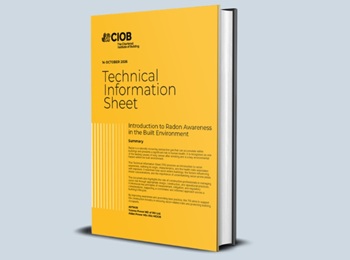
New technical information sheet published by CIOB.

Updated supplier guide can help electrical contractors engage with NHP.

CIAT confirm the winners of the 2026 architectural technology awards.

Government launches a one stop shop for flood preparedness.

Sir Edwin Lutyens: Britain's greatest architect? Book review.
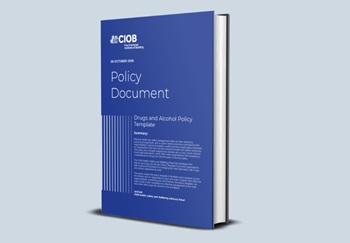
CIOB publishes free template to help assess and manage risks.