





Social landlords continue to build new homes, according to RSH statistics

At the end of October 2024 the Regulator of Social Housing published statistics about the social housing sector, including stock ownership and rents as of 31 March 2024. Returns from all private and local authority registered providers show that the sector provides around 4.5 million homes across England, with a net increase of nearly 43,000 social homes since 2023.
This overall increase has been driven by approximately 24,800 more Affordable Rent homes and 17,300 more low cost home ownership homes. There was also a small increase of roughly 700 social rent homes.
Private registered providers had a net gain of around 5,200 social rent homes, although this was partially offset by a decrease of around 4,500 social rent homes for local authorities (likely to be driven by right to buy sales and other schemes). Private registered providers built, purchased or acquired the majority of new homes in the sector, accounting for 85% of the total increase in Affordable Rent and 96% for low cost home ownership properties.
The statistics show that 82% of social homes in England are general needs (social rent and Affordable Rent), while supported housing makes up 11% and Low Cost Home Ownership 6%. Private registered providers also reported that 71% of homes had an energy efficiency certificate rating of EPC-C or above, and a further 22% had a rating of EPC-D.
Just over 511,000 homes were surveyed by landlords during the year. Over the year, these surveys and other provider activity identified nearly 42,000 homes which did not meet the Decent Homes Standard; 37,500 properties were remediated to bring them up to the DHS and 1,800 were sold or demolished.
A further 5,200 buildings were excluded from having to meet DHS requirements due to circumstances which prevent or limit remediation works.
As expected, rents increased over the year. The average increase in general needs (social rent) average weekly net rents was 7.2% between 31 March 2023 and 31 March 2024 (in line with the limit set for 2023/24 ). The average weekly general needs rent in England was £105.22, though this varied across the country. Average rents were lowest in the North East (£88.11) and highest in London (£129.83). Rents for local authorities are lower on average than for housing associations.
Will Perry, Director of Strategy atRSH, said:
"It is reassuring to see the sector continuing to build and acquire much-needed new social homes across the country, despite a challenging economic environment. This data provides a rich source of insight into the sector as a whole, helping us understand the challenges facing both landlords and tenants. Landlords should ensure they hold accurate, up-to-date data to inform strategic decisions, especially around rents and the condition of homes. "
This article was issued via Press Release as 'Social landlords continue to build new homes, according to RSH statistics' dated 29 October 2024.
[edit] Related articles on Designing Buildings
- 2024 Autumn Budget.
- Affordable housing.
- Affordable rented housing.
- Build to rent best practice guide.
- Design Council Homes Taskforce launched to support 1.5 million homes target within UK climate commitments.
- Help to buy.
- Housing associations.
- Local authority.
- Public v private sector housing.
- Reactions to the Autumn Budget announcement.
- Regulator of Social Housing.
- Regulator of Social Housing publishes regulatory judgements for ten landlords.
- Right to acquire.
- Right to buy.
- Right to rent.
- Shared ownership.
- Social housing.
- Tenant.
- Tenant management organisation.
Featured articles and news

A detailed description fron the experts at Cornish Lime.
IHBC planning for growth with corporate plan development

Grow with the Institute by volunteering and CP25 consultation.

Connecting ambition and action for designers and specifiers.
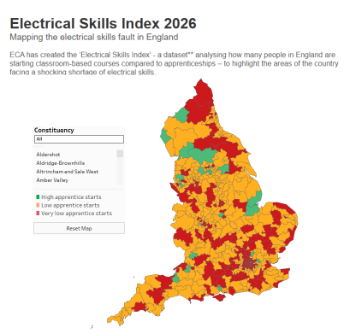
Electrical skills gap deepens as apprenticeship starts fall despite surging demand says ECA.
Built environment bodies deepen joint action on EDI

B.E.Inclusive initiative agree next phase of joint equity, diversity and inclusion (EDI) action plan.
Recognising culture as key to sustainable economic growth

Creative UK Provocation paper: Culture as Growth Infrastructure.
Futurebuild and UK Construction Week London Unite

Creating the UK’s Built Environment Super Event and over 25 other key partnerships.
Welsh and Scottish 2026 elections

Manifestos for the built environment for upcoming same May day elections.
Advancing BIM education with a competency framework

“We don’t need people who can just draw in 3D. We need people who can think in data.”
Guidance notes to prepare for April ERA changes

From the Electrical Contractors' Association Employee Relations team.

Significant changes to be seen from the new ERA in 2026 and 2027, starting on 6 April 2026.

First aid in the modern workplace with St John Ambulance.
Solar panels, pitched roofs and risk of fire spread

60% increase in solar panel fires prompts tests and installation warnings.
Modernising heat networks with Heat interface unit
Why HIUs hold the key to efficiency upgrades.