






Regulator of Social Housing publishes regulatory judgements for ten landlords
As part of a set of judgements published on 25 September, 2024, the Regulator of Social Housing (RSH) found that Harlow District Council failed to meet the new consumer standards. As a result, RSH has given the landlord a C3 grade, which means there are serious failings and it needs to make significant improvements.
RSH investigated Harlow Council after reviewing its Tenant Satisfaction Measure (TSM) results. RSH concluded that the council had:
- Carried out fire risk assessments for only 20% of buildings that it should have done, out of its 9,100 social housing homes.
- Over 500 high risk fire safety remedial actions overdue, and a further 1,500 medium risk actions overdue (the majority of which are more than 12 months overdue).
Harlow Council has employed an external consultant to help it to develop a detailed improvement plan as a priority and the RSH will be engaging with the landlord as it addresses these failings
The Council is working to complete the outstanding fire risk assessments and resulting actions, starting with the highest risk blocks. RSH continues to scrutinise the Council closely and it must demonstrate that it is reducing risks to tenants as it puts these issues right.
Kate Dodsworth, Chief of Regulatory Engagement at RSH, said:
"It is unacceptable that Harlow Council has failed to meet fire safety requirements. Providing safe, decent homes for tenants begins with robust data, and this must include fire risk assessments for every home that needs one. We identified these failings by scrutinising the council’s TSM results. It is the landlord’s responsibility to notify us themselves of material issues. Our new proactive approach and expanded consumer remit is helping to bring issues to the surface earlier. We expect all providers to regularly review and evaluate their services to improve outcomes for tenants."
The investigation was carried out as part of RSH responsive engagement.
RSH has also today published a range of other judgements resulting from its ongoing regulatory activity, including seven programmed inspections as well as RSH’s first stability check for a for-profit provider.
RSH carries out annual stability checks to see whether a provider’s current viability grade is consistent with the financial information submitted in their regulatory returns.
| Provider | Governance | Viability | Consumer | Engagement Process | Notes |
| Saxon Weald | V2 Assessed and unchanged | V2 Assessed and unchanged | C2 First grading | Programmed inspection | |
| Great Places Housing Group | G1 Assessed and unchanged | V2 Assessed and unchanged | C2 First grading | Programmed inspection | |
| Calico Homes | V2 Assessed and unchanged | V2 Assessed and unchanged | C2 First grading | Programmed inspection | |
| Bolton at Home | G2 Downgrade | V2 Assessed and unchanged | C2 First grading | Programmed inspection | |
| The Havebury Housing Partnership | G1 Assessed and unchanged | V2 Assessed and unchanged | C1 First grading | Programmed inspection | |
| Rooftop Housing Group | G1 Assessed and unchanged | V2 Assessed and unchanged | C2 First grading | Programmed inspection | |
| Mosscare St Vincent’s Housing Group Limited | G1 Assessed and unchanged | V2 Assessed and unchanged | C2 First grading | Programmed inspection | |
| Legal and General Affordable Homes | G1* | V1* | N/A | Stability check | RSH does not assess consumer grades as part of its annual stability checks |
| Islington and Shoreditch Housing Association Limited | G2 Downgrade | V2 Assessed and unchanged | N/A | Stability check and responsive engagement following a self-referral | Responsive engagement related to governance issues, so consumer grade not yet assessed |
Landlords must meet the outcomes of the economic and consumer standards set by RSH.
Governance and financial viability remain cornerstones of RSH’s regulation of housing associations and other private registered providers (including for-profits). Landlords must manage the risks associated with financial viability and reduced capacity with robust governance in place to meet the outcomes of RSH’s standards.
A C1 grading means that, overall, the landlord is delivering the outcomes of the consumer standards, and they identify issues when they occur and put plans in place to remedy them and minimise their recurrence. We expect that, even where a landlord is assessed as C1, it will continue to review, evaluate and improve its services to tenants.
C2 means there are some weaknesses in the landlord delivering the outcomes of the consumer standards, and it needs to make improvements.
This article was issued voa Press Release as 'Regulator of Social Housing publishes regulatory judgements for ten landlords' dated 25 September 2024.
For further information and a background to the grading system see the article The grading system of the Regulator for Social Housing.
[edit] Related articles on Designing Buildings
- Achieving net zero in social housing.
- Building a safer future: an implementation plan.
- Grenfell Tower Inquiry.
- Housing associations.
- Housing tenure.
- Independent review of the building regulations and fire safety.
- Public v private sector housing.
- Social Housing (Regulation) Act 2023.
- The grading system of the Regulator for Social Housing.
- Housing and Regeneration Act 2008.
Featured articles and news
Government consultations for the summer of 2025

A year of Labour, past and present consultations on the environment, the built environment, training and tax.
CMA competitiveness probe of major housing developers

100 million affordable housing contributions committed with further consultation published.
Homes England supports Greencore Homes

42 new build affordable sustainable homes in Oxfordshire.
Zero carbon social housing: unlocking brownfield potential

Seven ZEDpod strategies for brownfield housing success.
CIOB report; a blueprint for SDGs and the built environment

Pairing the Sustainable Development Goals with projects.
Types, tests, standards and fires relating to external cladding
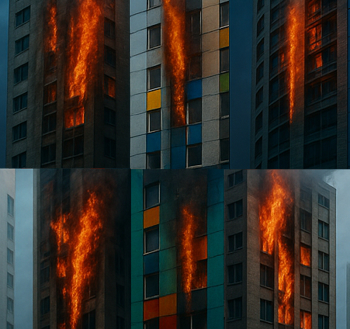
Brief descriptions with an extensive list of fires for review.
Latest Build UK Building Safety Regime explainer published

Key elements in one short, now updated document.
UKGBC launch the UK Climate Resilience Roadmap

First guidance of its kind on direct climate impacts for the built environment and how it can adapt.
CLC Health, Safety and Wellbeing Strategy 2025

Launched by the Minister for Industry to look at fatalities on site, improving mental health and other issues.

One of the most impressive Victorian architects. Book review.
Common Assessment Standard now with building safety

New CAS update now includes mandatory building safety questions.
RTPI leader to become new CIOB Chief Executive Officer

Dr Victoria Hills MRTPI, FICE to take over after Caroline Gumble’s departure.
Social and affordable housing, a long term plan for delivery
The “Delivering a Decade of Renewal for Social and Affordable Housing” strategy sets out future path.
A change to adoptive architecture
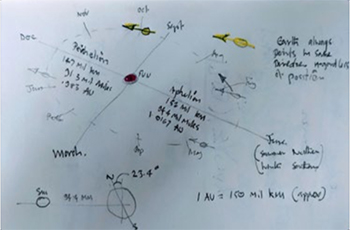
Effects of global weather warming on architectural detailing, material choice and human interaction.
The proposed publicly owned and backed subsidiary of Homes England, to facilitate new homes.

How big is the problem and what can we do to mitigate the effects?
Overheating guidance and tools for building designers

A number of cool guides to help with the heat.
The UK's Modern Industrial Strategy: A 10 year plan

Previous consultation criticism, current key elements and general support with some persisting reservations.
Building Safety Regulator reforms
New roles, new staff and a new fast track service pave the way for a single construction regulator.